





The Tummy Sleep Trap
It turns out that the way you drift off to sleep can have a significant impact on your skin's appearance, particularly for women. While many find sleeping
on their stomach most comfortable, dermatologists highlight that this position can negatively affect skin health. Dr. Viny Kantroo, a pulmonologist, shared with actor Soha Ali Khan on her YouTube show that stomach sleeping can lead to decreased circulation to the face, resulting in puffiness, especially around the eyes. Soha herself admitted to frequently finding herself in this position, despite trying to avoid it, underscoring how common this habit is. This visual difference in facial appearance when sleeping in different positions was noted, emphasizing the direct correlation between sleeping posture and skin condition, potentially leading to a less refreshed look upon waking.
Pressure Points and Skin Woes
Beyond just topical skincare routines, the physical forces exerted on your face during sleep play a crucial role in your skin's well-being. Dr. Ajay Dodeja, a junior consultant in dermatology, emphasizes that the prolonged contact your face has with your pillow for hours on end can directly influence common skin concerns like puffiness, the formation of creases, and the overall vitality of your complexion. The constant pressure exerted when sleeping face down can impede the natural flow of lymph, a vital fluid that helps remove waste and toxins from the body. This blockage can cause fluid to accumulate, most noticeably in the delicate under-eye area, leading to that dreaded morning puffiness and swelling. Furthermore, this continuous compression can create distinct sleep lines, or creases, which, with repeated exposure over time, can become more deeply etched into the skin, contributing to a less smooth and youthful appearance.
Better Positions for Beauty
When it comes to optimizing your skin's health while you sleep, certain positions are definitively more beneficial than others. Sleeping on your back is generally considered the gold standard because it completely avoids any direct pressure on your facial skin, allowing it to rest without being compressed against a pillow. This position promotes even circulation and prevents the mechanical stress that can lead to unwanted lines. Side sleeping, while an improvement over stomach sleeping, still presents some challenges. It can create uneven pressure distribution on one side of your face, potentially leading to a buildup of fluid and more pronounced sleep lines on that particular side. If you consistently favour one side, over time, this can contribute to the development of fine lines or even subtle asymmetries in your facial features. Therefore, while side sleeping is a step up, the back-sleeping position offers the most neutral and beneficial environment for your skin.
Long-Term Effects of Sleep
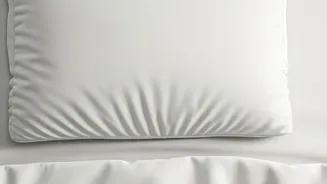
The impact of your sleeping position on your skin, while sometimes subtle, can contribute to long-term signs of aging. Consistent pressure on the skin over many years can lead to the formation of 'sleep lines.' These are distinct from expression lines, which are caused by repeated facial movements. Sleep lines develop purely from the mechanical compression of the skin against surfaces like pillows. As our skin naturally loses some of its elasticity and firmness with age, these sleep lines, if constantly exacerbated by sleeping posture, can become more visible and permanent. While the effect is gradual and often not immediately apparent, persistent stomach or even side sleeping habits can contribute to a more aged appearance over the course of a decade or more, underscoring the importance of considering your sleep posture for sustained skin health.
Mitigating Sleep Position Effects
If you find it challenging to completely alter your preferred sleeping position, several effective strategies can help minimize the negative effects on your skin. Opting for pillowcases made from smoother materials like satin or silk can significantly reduce friction against your skin, preventing drag and irritation. Ensuring your skin is well-moisturized before bed is also crucial, as a hydrated skin barrier is more resilient and better equipped to handle minor stresses. Elevating your head slightly, perhaps by using an extra pillow, can aid in reducing fluid accumulation around the eyes, thus minimizing morning puffiness. Finally, practicing good sleep hygiene—which includes maintaining a consistent sleep schedule and creating a relaxing bedtime routine—supports overall skin repair and recovery, even if your sleeping position isn't ideal.
Beyond Sleep: Other Causes
While sleeping position can certainly contribute to under-eye puffiness, it's important to remember that it's not the sole culprit. Dr. Dodeja points out that several other lifestyle and health factors can also lead to swollen or tired-looking eyes. Insufficient sleep itself is a major contributor, as it prevents the body from adequately repairing and rejuvenating itself. High salt intake can cause the body to retain water, leading to puffiness throughout. Allergies and sinus congestion can cause inflammation and fluid buildup in the facial area, including under the eyes. Dehydration, paradoxically, can also lead to water retention as the body tries to conserve fluids. Therefore, while adjusting your sleep posture is beneficial, addressing these other potential causes is also essential for achieving consistently clear and bright under-eye areas.