



Fashion as Dissent
Fashion, a sector often seen as lighthearted, regularly serves as a conduit for profound messages. Designers use their collections to convey political
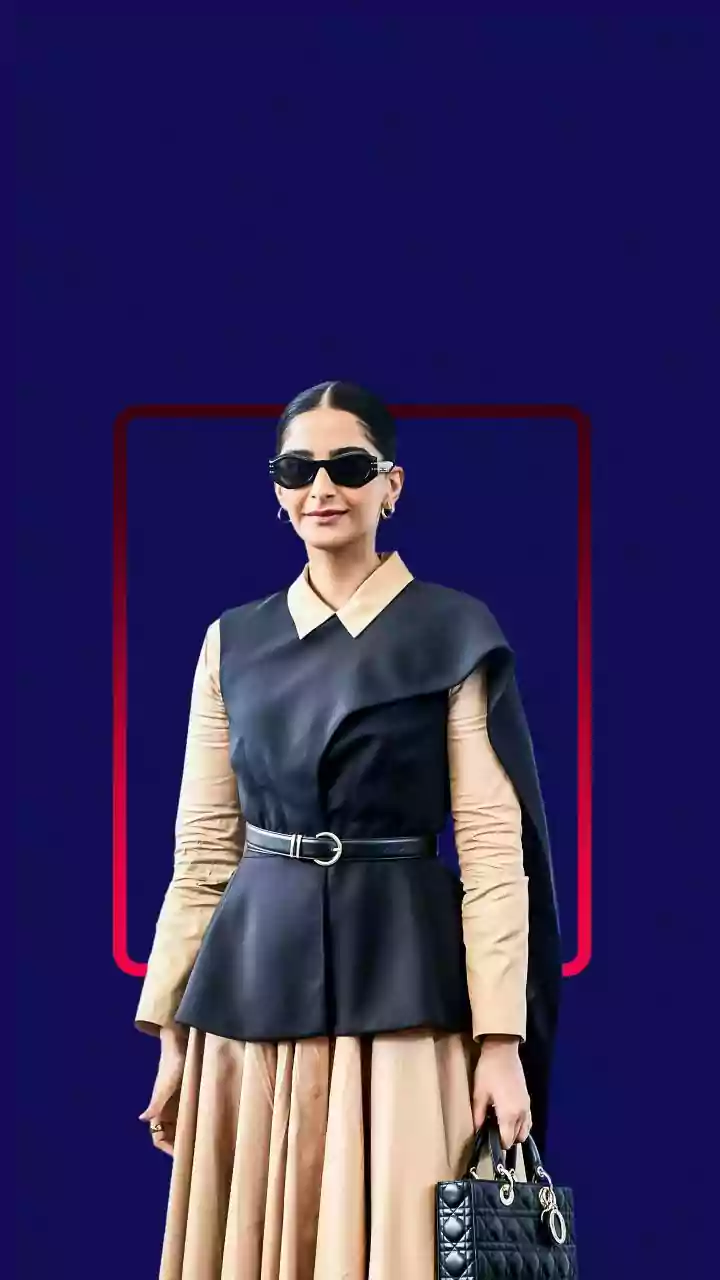
viewpoints, challenge prevailing societal norms, and speak out against injustices, all while influencing the global narrative. Their works, ranging from subtle critiques to overt statements, have the power to engage public opinion, spark dialogue, and, in some cases, even influence social change. Through these creations, fashion transcends its commercial nature and becomes a potent medium for political and social commentary.
The Power of Apparel
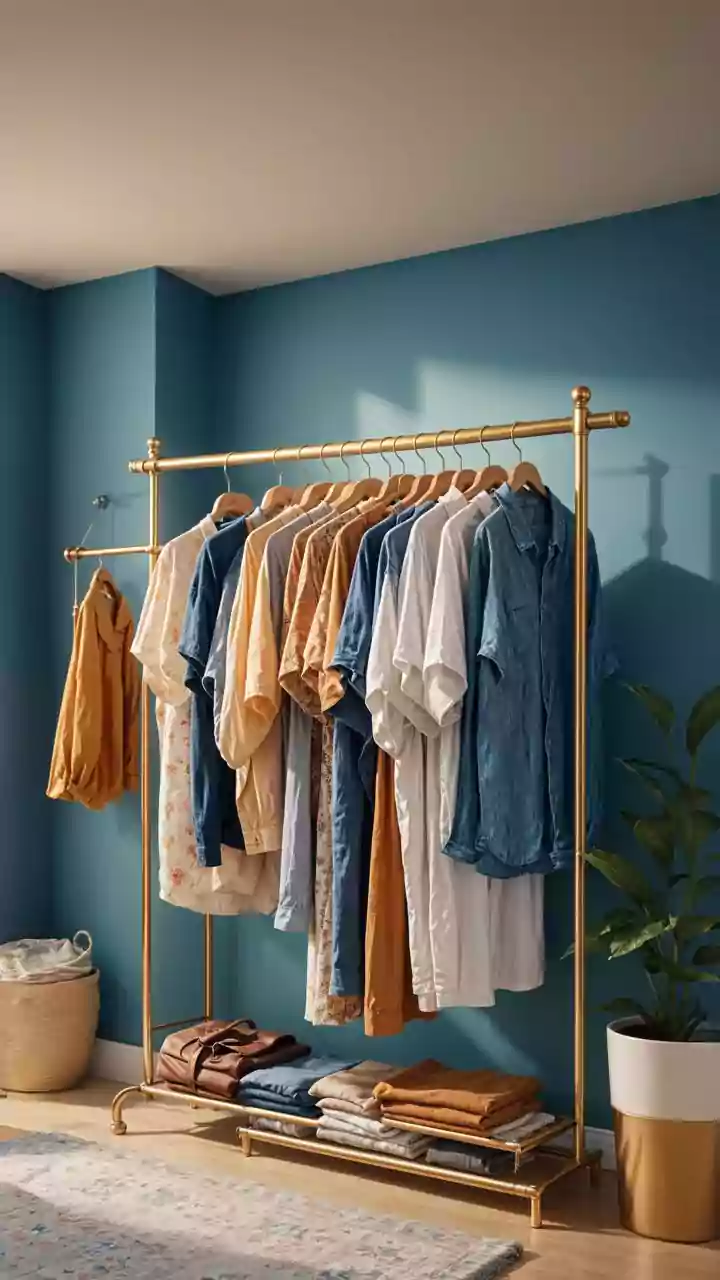
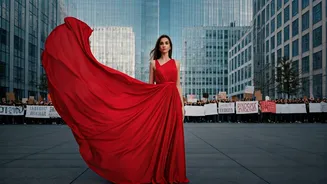
Clothing possesses a profound capability to signify identity, affiliation, and dissent. A particular outfit can indicate support for a specific cause, reflect protest against a regime, or highlight social issues. In regions experiencing political unrest or human rights violations, fashion becomes an outlet for silent protest. Designers might incorporate motifs, colors, or symbols that carry strong meanings, allowing wearers to show solidarity or share their beliefs nonverbally. This silent language of fashion enables individuals to express political opinions without necessarily resorting to open confrontation.
Fashion's Response to Crisis
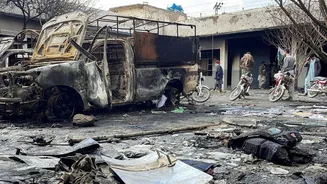
In times of upheaval, the fashion industry has always responded. Designers use their platforms to voice support and raise awareness. Some creators focus on creating designs that directly respond to current events. The fashion industry frequently collaborates with human rights organizations to spotlight the struggles of marginalized groups and support their causes. These collaborations not only elevate awareness but also channel resources towards impactful initiatives. The fashion industry's reaction to global crises illustrates its capability to utilize its global influence to effect positive change, making it a critical player in times of distress.
Challenging the Status Quo
Fashion has a history of defying conventions, often pushing the boundaries of what is considered acceptable or normal. Designers use their collections to question established cultural norms and champion inclusivity and diversity. This may involve challenging conventional beauty standards, promoting body positivity, or supporting gender equality. These efforts can stimulate crucial conversations and push communities toward more accepting views. Fashion’s role is not just about aesthetics; it is about promoting significant societal change and inspiring a more inclusive world.
Fashion as Protest
Throughout history, clothing has been used as a tool for protest. Wearing certain pieces, colors, or symbols can be a form of silent dissent. Political activists frequently employ fashion to convey messages without using words, and express solidarity. In challenging times, designers can release collections that directly react to political events. Fashion, in this context, becomes a powerful form of expression. Through these creative efforts, designers and individuals alike utilize fashion as a means to stand up for their rights and push for social or political transformation, showing how clothing is a potent tool for change.