


Occasion Wear's New Era
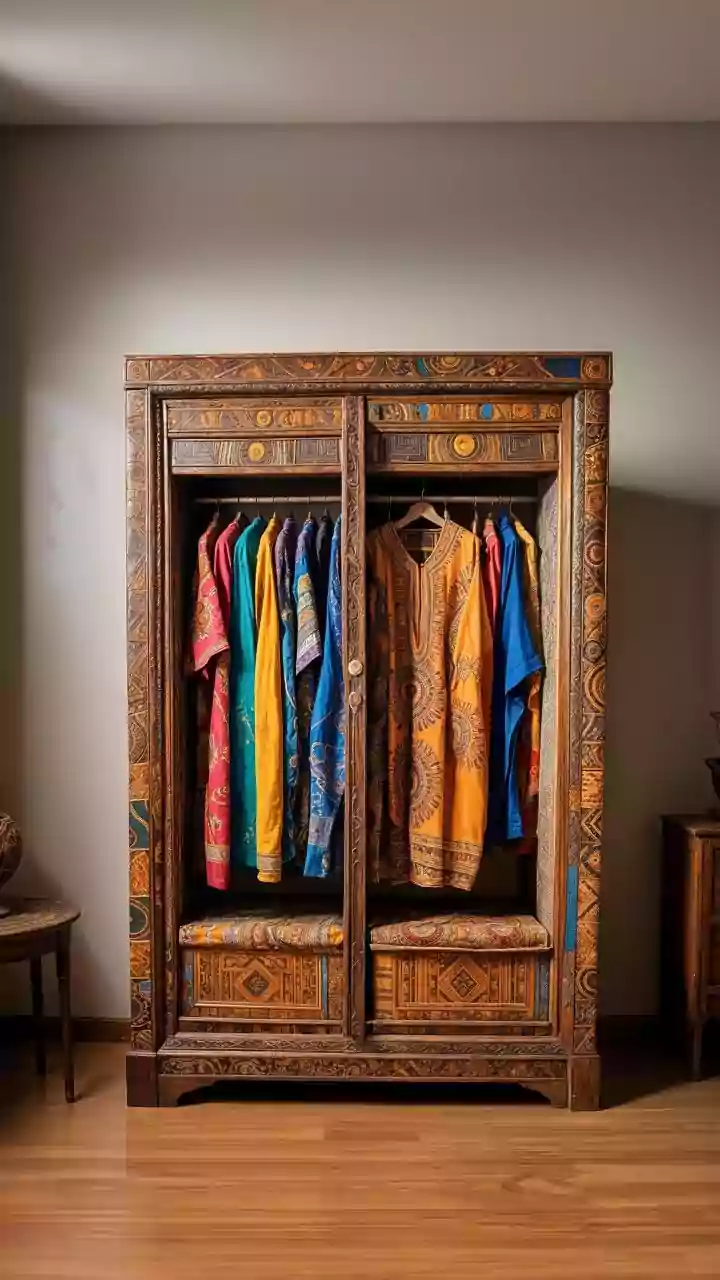
The strict hierarchy that once dictated when ornate Indian jewelry and rich scarves could be worn has significantly diminished. Pieces previously confined
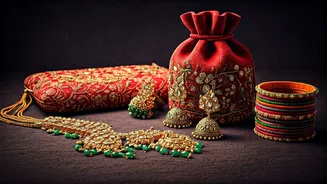
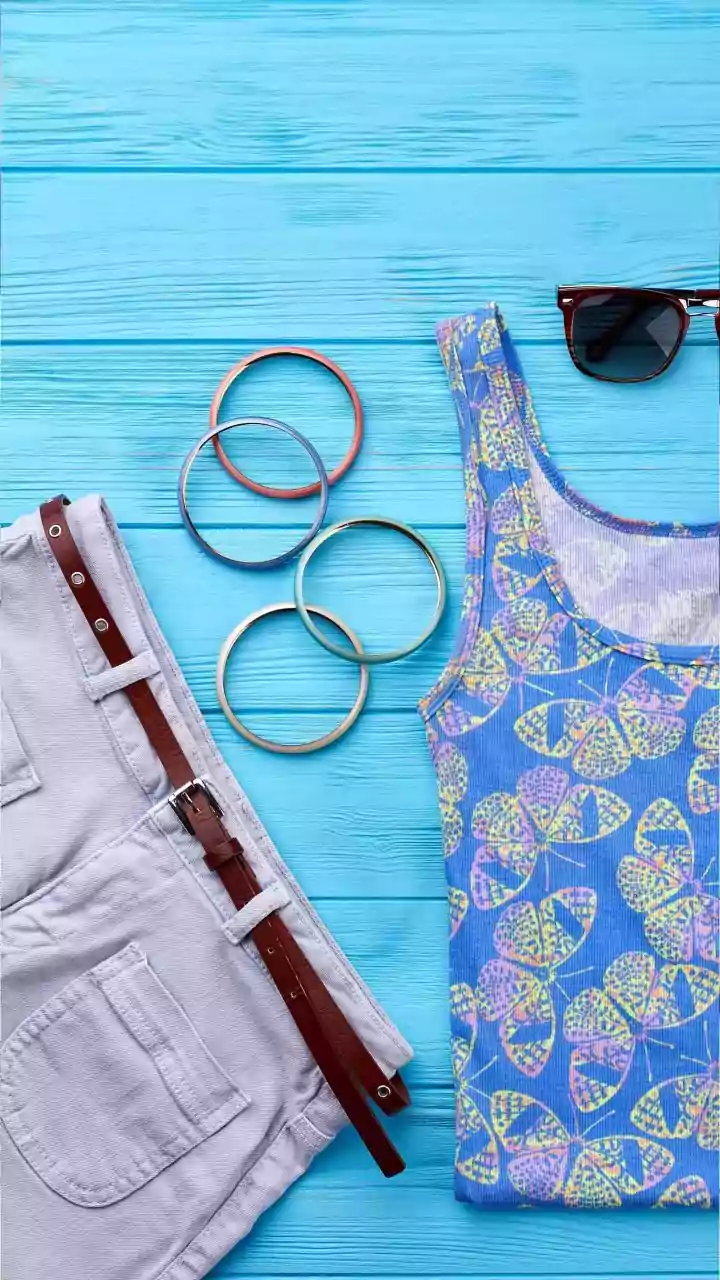
to safes for select family events, like elaborate jhumkas, temple jewelry, and decorative scarves, are now readily incorporated into daily life. This transition sees these historically significant items appearing in casual settings such as cafes, educational institutions, airports, and even alongside casual wear like denim shorts and tank tops. What was once strictly occasion wear is now being embraced for its aesthetic appeal and personal connection in everyday off-duty ensembles, marking a profound change in how heritage fashion is perceived and utilized.
Ceremony to Street Style
Traditional Indian adornments, including nath (nose rings), haathphools (hand chains), ear cuffs, and waist chains, have transcended their ceremonial origins. These pieces, often rooted in temple artistry and traditionally worn only during auspicious ceremonies, are now prevalent in everyday fashion, often paired with contemporary outfits rather than just sarees. Even items like maang tikkas, once considered too elaborate for daily wear, are now being reinterpreted as modern fashion statements. This shift is largely driven by a de-emotionalization and informalization of their meaning, allowing younger generations to integrate them into their personal style without the weight of strict tradition. Waist chains, for instance, are now styled with low-rise jeans, exemplifying a blend of heritage with an effortless personal aesthetic, prioritizing individuality and authenticity over rigid fashion rules.
Dupattas: Versatile Evolution
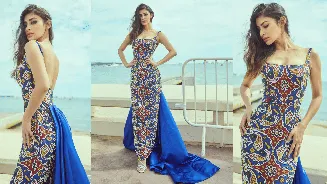
The dupatta, sometimes referred to as 'Scandinavian scarves' in global fashion, has undergone a remarkable transformation. It’s no longer confined to a single prescribed way of wearing; its versatility is now its greatest asset. From high-profile events like the Met Gala to the simplicity of everyday outfits paired with tank tops or oversized shirts, the dupatta has emerged as an exceptionally adaptable fashion element. It can convey elegance, drama, nostalgia, or playfulness, functioning as a shoulder cover for a commute, a head wrap on a sunny day, a layering piece with denim, or an embellishment for formal attire. With a vast array of prints, patterns, and fabrics available, the dupatta has moved beyond its traditional confines, becoming a significant style essential and a modern reclamation of cultural fashion.
Bindi's Fashion Comeback
The bindi, historically a ceremonial or religious marker, is experiencing a significant revival as a contemporary fashion accessory. Its resurgence is characterized by a modern styling approach that deviates from traditional applications. Today's bindi is often a subtle, tiny maroon dot, intentionally paired with hyper-casual silhouettes. Think of outfits featuring tank tops, silver hoops, cargo pants, and vintage sunglasses, creating a look that feels distinctly modern and inspired, more akin to a curated aesthetic than formal festive dressing. This reinterpretation highlights the bindi's transition from a cultural symbol to a subtle yet impactful element of personal style, embodying a new wave of casualized heritage accessories.
Statement Bags with Spice
Beyond jewelry and apparel, the 'chatpata' bag trend signifies a playful fusion of heritage and modern aesthetics. These bags, inspired by the traditional potli, are reimagined with vibrant ethnic prints, intricate mirror work, brocade fabrics, and detailed embroidery. They often feature unexpected color combinations, tassels, and beadwork, infusing each piece with 'desi main character energy.' Whether incorporating vintage Indian motifs or adapting traditional craftsmanship into contemporary silhouettes like shoulder bags and baguettes, these accessories bring personality and drama. They perfectly encapsulate 'desi maximalism,' effortlessly elevating even the simplest ensembles and blending cultural richness with contemporary fashion sensibilities.
Footwear's Heritage Charm
The revival extends to traditional Indian footwear like juttis and mojaris, which are now gaining prominence beyond local boutiques. Major fashion houses and luxury brands have embraced the appeal of these ethnic shoes, transforming them into a fashion staple rather than a mere cultural artifact. From high-end interpretations of Kolhapuri chappals to intricately embroidered juttis, ethnic footwear is being showcased on a global scale. Their appeal lies in their versatility, capable of injecting personality and a sense of heritage into any outfit. Embellished with traditional techniques or modern prints, these shoes demonstrate that Indian footwear can evolve while retaining its authentic essence, becoming a key element in the casualization of heritage accessories.
Reclaiming Cultural Identity
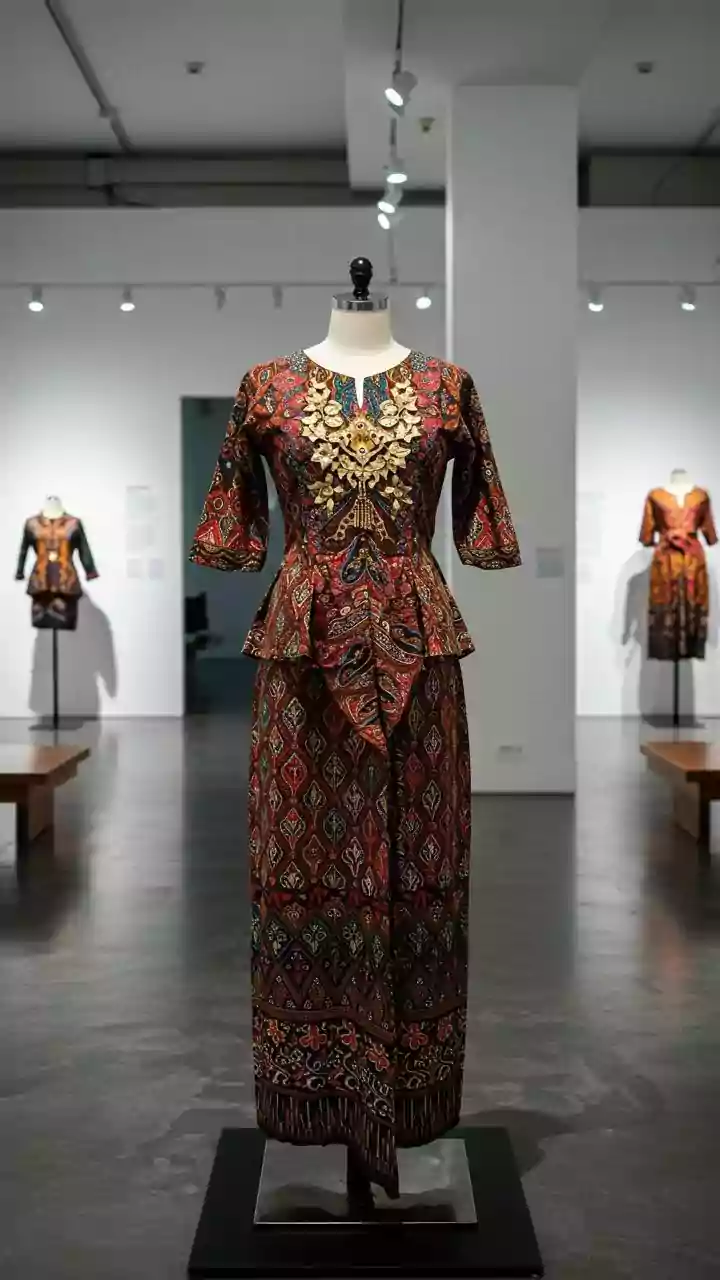
The casualization of heritage accessories represents a significant cultural shift in fashion, moving beyond mere stylistic adaptation. It reflects a broader reevaluation of identity, nostalgia, and personal narratives. Young adults, particularly Gen Z and millennials, are actively reclaiming these traditional items not as symbols of obligation, but as powerful tools for self-expression. What was once a set of cultural impositions has transformed into a personal act of reclamation, demonstrating how traditional elements can be woven into contemporary life to forge a unique and authentic personal style, thereby redefining the relationship between heritage and modern identity.