






The Ghee Purity Concern
Ghee, a staple in Ayurvedic practices, is lauded for its health benefits, including aiding digestion and boosting immunity. However, recent reports highlight
a significant concern: the Food Safety and Drug Administration (FSDA) has identified six brands of ghee in Aligarh as unsafe for consumption. This declaration has led to the immediate prohibition of the manufacture, sale, and storage of these specific brands within the district. The decision was a direct consequence of laboratory test results from various districts, which indicated that samples from these six brands failed to meet quality standards. These findings underscore the critical importance of ensuring the purity of the ghee we use daily. The adulteration of ghee with substances like vegetable fat or fatty acid mono- and diglycerides can lead to serious adverse health effects, making consumers vigilant about their purchasing choices.
Identifying Adulterated Ghee
Adulterated ghee poses significant health risks due to the inclusion of harmful or inferior substances such as vanaspati (hydrogenated fats), starch, animal fats, or artificial colors. These contaminants can disrupt the digestive system, leading to issues like bloating, stomach pain, and diarrhea. A common adulterant is vanaspati or hydrogenated oils, which are high in trans fats. These fats can elevate harmful LDL cholesterol while lowering beneficial HDL cholesterol, thereby increasing the risk of heart disease. Other frequently used adulterants include refined vegetable oil, animal body fat, mashed potatoes or starch, and synthetic flavorings. Beyond compromising nutritional value, adulterated ghee can negatively impact gut health and overall bodily functions, with severe cases potentially affecting the nervous system. Paying close attention to the ghee's appearance, packaging, aroma, and flavor can help in identifying potential adulteration.
Home Ghee Purity Tests
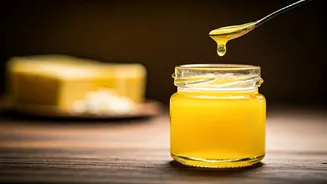
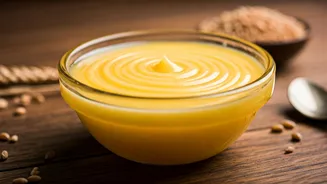
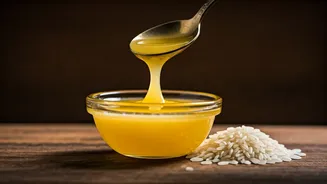
Several simple tests can be performed at home to ascertain the purity of ghee. The 'Palm Test' involves pouring frozen ghee onto your palm; pure ghee will begin to melt almost instantly, whereas impure ghee will not. For the 'Water Test,' add a spoonful of ghee to a glass of room-temperature water. If the ghee floats, it is likely unadulterated; if it sinks, it indicates the presence of foreign materials. The 'Salt Test' requires mixing two spoons of ghee with a tablespoon of salt and a pinch of hyaluronic acid. After 20 minutes, if the mixture turns red, the ghee is adulterated. The 'Iodine Test' involves adding two drops of iodine solution to ghee; a purple coloration signifies the presence of starch. Additionally, observe the ghee's color and texture. Pure ghee typically has a golden hue and a rich, creamy consistency, appearing clear and translucent when held against light. A pale color might suggest preservatives. A genuine ghee should possess a nutty aroma and smooth flavor, never a burnt smell, which could indicate water or additives.
Making Pure Ghee At Home
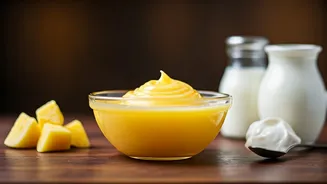
Creating your own pure ghee at home is a straightforward process, ensuring complete control over ingredients and quality. Begin by collecting homemade malai (cream) for about 30-35 days until you accumulate approximately 1 kg. Gently warm this malai and then incorporate about half a tablespoon of curd. Cover the mixture and allow it to ferment for 8-10 hours. Following this, refrigerate the mixture for another 12 hours. Next, use a hand churner to churn the milk solids until they transform into light and fluffy butter. Add about 2 cups of ice water to the churned mixture and separate the butter from the buttermilk. Transfer the butter to a heavy-bottomed pan and simmer it over low heat until a clear, golden liquid is visible. This process yields your homemade pure ghee. Once cooled, strain it and store it in an airtight glass jar or steel container. The leftover buttermilk can be utilized as a beverage or incorporated into dishes like cheela or kadhi.