

Snail Mucus Marvel
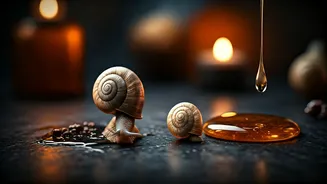
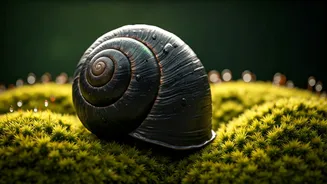
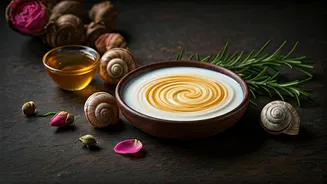
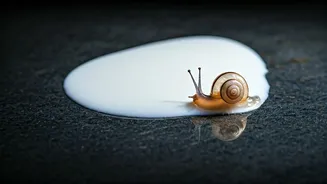
Long before it became a sought-after ingredient in high-end serums, the practice of using snail mucus for skincare was surprisingly direct. Ancient civilizations
would allow live snails to traverse their faces, leaving behind a trail of slime. This mucus is rich in beneficial compounds like peptides, antioxidants, and hyaluronic acid. These elements work synergistically to fortify the skin's protective barrier, deliver profound hydration, and combat signs of aging, contributing to a smoother, more youthful complexion. The modern approach of using snail mucin in concentrated serums offers a more palatable, yet less direct, method of harnessing its potent regenerative properties.
Animal-Derived Elixirs
Ancient beauty practices weren't always delicate or pleasant-smelling, as some cultures incorporated animal byproducts into their routines for nourishment and exfoliation. Ingredients like crocodile and cow dung, alongside goat and camel milk, were utilized for their perceived benefits. While these specific applications might seem unappealing today, the underlying principle of using animal-derived substances for skin health has evolved. Thankfully, modern skincare largely focuses on ingredients like honey and milk, which are far more palatable and widely accepted, continuing their legacy of skin conditioning and rejuvenation.
The Power of Honey
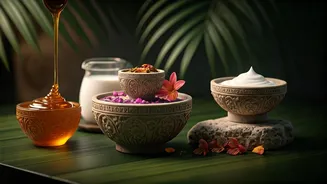
Honey, a natural wonder with a history of use spanning over 15,000 years, was a staple in ancient beauty regimens. Applied directly to the face, it was celebrated for its remarkable moisturizing, healing, and antibacterial attributes. The result was skin that felt calmer, looked clearer, and remained deeply hydrated. Beyond cosmetic applications, ancient peoples also used honey to treat wounds, leveraging its potent antimicrobial qualities to aid recovery, even when its sticky nature made removal challenging. This timeless ingredient continues to be revered for its multifaceted benefits in both skincare and wound care.
Lanolin's Protective Barrier
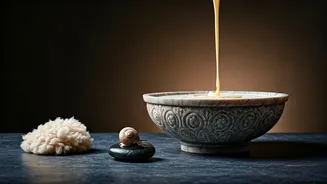
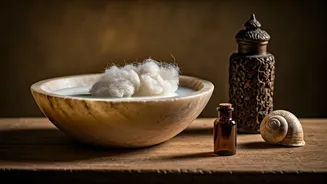
The ancient Romans understood the value of lanolin, a substance derived from sheep's wool, employing it as an overnight moisturizer. This fatty substance was instrumental in reinforcing the skin's natural barrier, providing intense hydration that left the skin feeling supple, protected, and exceptionally soft. Despite its less-than-pleasant aroma, lanolin's efficacy in locking in moisture and safeguarding the skin's integrity was unparalleled. Today, this beneficial ingredient remains a key component in various skincare products, particularly in lip balms and heavy-duty moisturizers designed for deep conditioning.
Cleopatra's Milk Baths
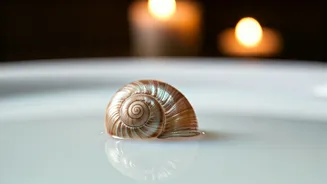
The legendary Egyptian queen Cleopatra is famously associated with a luxurious beauty ritual: bathing in fresh milk. This daily immersion was believed to be the secret behind her famously smooth, supple, and luminous skin. Milk's inherent lactic acid acts as a gentle yet effective natural exfoliant, shedding dead skin cells to reveal the fresher, brighter skin beneath. Consistent milk baths would over time bestow a radiant glow, showcasing how a simple, readily available ingredient could profoundly enhance the skin's appearance and texture, leaving it soft and revitalized.