






Lifestyle's Blood Sugar Power
High blood sugar, often perceived as a permanent condition requiring immediate medication, can frequently be managed through strategic lifestyle adjustments,
particularly in its initial or borderline phases. According to Dr. Pranav Ghody, an Endocrinologist at Wockhardt Hospital, Mumbai, the body's response to daily habits plays a pivotal role in stabilizing or escalating glucose levels. For individuals in the prediabetic stage or those with newly identified mild glucose elevations, even minor shifts in routine can lead to substantial positive changes. Dr. Ghody points out that many find significant improvement simply by shedding a small amount of weight and incorporating daily physical activity. A key benefit of fat loss, especially around the abdominal area, is enhanced insulin sensitivity, which allows the body to process glucose more effectively. However, it's crucial to understand that while lifestyle is powerful, it's not a universal cure; there are specific scenarios where medical intervention becomes indispensable.
When Medication is Necessary
While lifestyle modifications offer a promising pathway for managing blood sugar, there are critical junctures where medical intervention becomes unavoidable. Dr. Ghody emphasizes that if glucose levels persist at high levels despite dedicated efforts to improve diet and activity, or if individuals experience severe symptoms, medication is essential. Furthermore, a significant risk factor that mandates prompt medical treatment is the potential for long-term damage to vital organs like the kidneys, eyes, nerves, and heart. Uncontrolled diabetes acts as a silent aggressor, systematically impacting these systems. Delaying the commencement of prescribed medication in such circumstances can exacerbate these risks, leading to irreversible consequences. Therefore, a personalized approach, guided by healthcare professionals, is paramount to determine the right balance between lifestyle changes and medical treatment.
Dietary Wisdom for Indians
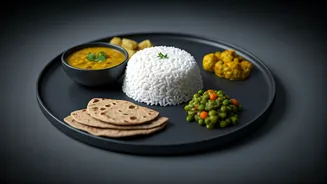
For the Indian population, optimizing diet is paramount for effective blood sugar management. Dr. Ghody recommends constructing balanced meals that incorporate a generous amount of vegetables, pulses, curd, nuts, and whole grains. These food groups work synergistically to slow down the absorption of glucose into the bloodstream, preventing sharp spikes. Equally crucial is portion control; even traditional staples like rice and roti, when consumed in large quantities, can still elevate blood sugar levels. Therefore, mindful consumption is key. Certain foods are best minimized or avoided altogether. These include white rice, products made from refined flour, sugary sweets, sweetened beverages, and frequently consumed fried snacks, as they contribute to rapid glucose surges. Prioritizing home-cooked meals and maintaining consistent, evenly spaced eating patterns throughout the day is advised to prevent drastic fluctuations in blood sugar.
Movement, Sleep, and Stress
Beyond dietary choices, regular physical activity, adequate sleep, and effective stress management are critical pillars in controlling blood sugar levels. Dr. Ghody explains that consistent movement boosts insulin sensitivity, facilitating the uptake of glucose by cells, thereby preventing its accumulation in the bloodstream. Even modest activities, such as a daily brisk walk, can yield significant improvements in blood sugar readings. The often-overlooked aspects of sleep and stress also play a direct hormonal role. Insufficient sleep and chronic stress can elevate levels of hormones like cortisol, which in turn prompts an increase in blood sugar. Therefore, cultivating good sleep hygiene and implementing stress-reduction techniques are as vital as diet and exercise for achieving optimal glucose control and overall well-being.