




Fit and Proportion
One of the most frequent fashion mistakes revolves around the fit and proportions of clothes. Ill-fitting attire can make even the most expensive garments
appear underwhelming. For instance, oversized clothing, though trendy at times, can overwhelm a smaller frame. On the other hand, clothing that's too tight can be uncomfortable and unflattering, emphasizing areas you might prefer to downplay. Understanding your body type and choosing clothes that complement your shape is paramount. This involves knowing your measurements and selecting garments that hang correctly on your body, such as trousers with a proper rise and jackets with well-placed shoulders. Furthermore, the length of sleeves, pants, and skirts needs careful consideration to achieve balance and visual harmony. The goal is to create a silhouette that flatters, accentuates your best features, and makes you feel confident.
Color Coordination Issues
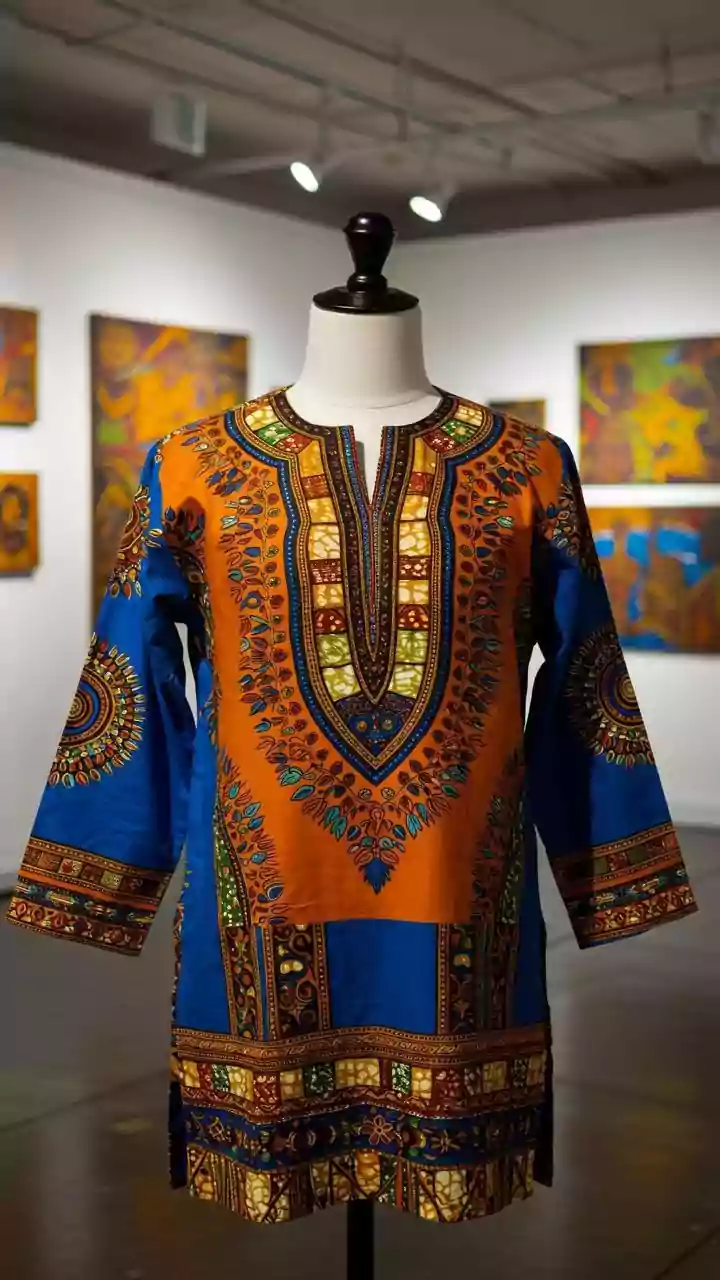
Color plays a crucial role in fashion, and incorrect color combinations are a common style mishap. Pairing colors that clash can be jarring to the eye, disrupting the overall aesthetic. Learning the basics of color theory, such as complementary colors and analogous color schemes, can help you create outfits that are visually appealing and balanced. Complementary colors, which sit opposite each other on the color wheel, can create bold statements. For example, wearing a bright yellow top with purple pants can be very eye-catching. However, it requires careful consideration. Analogous colors, which are next to each other on the color wheel, offer a more subtle and harmonious approach. Understanding how different colors affect your appearance can also be beneficial. Certain shades may brighten your complexion, while others may wash you out. Practicing with different color palettes and observing how others combine colors can improve your color coordination skills.
Ignoring the Basics
Sometimes, the biggest fashion failures stem from overlooking the essentials. Having a strong foundation of basic wardrobe staples is vital. These essentials include items like a well-fitted white shirt, a classic pair of dark wash jeans, a versatile blazer, and a neutral-colored coat. A solid base allows for endless outfit combinations and can serve as a canvas for bolder, more trendy pieces. Failing to invest in these basics means you may struggle to put together a cohesive look, especially when you're in a hurry. Additionally, neglecting proper garment care can undermine even the most stylish outfits. Wrinkled clothes, stains, and worn-out shoes can instantly diminish your appearance. Therefore, taking the time to care for your clothes, from washing and ironing to shoe maintenance, is a key component of good style. This also includes paying attention to the quality of materials; prioritizing well-made items ensures your wardrobe looks and lasts longer, helping you avoid common fashion faux pas.
Accessorizing Excessively
Accessories can enhance an outfit, but overdoing them can lead to a fashion misstep. Too many accessories can make a look cluttered, distracting from the overall ensemble. The key is to find balance and select accessories that complement your outfit without overpowering it. Consider the occasion and the rest of your outfit when choosing accessories. A simple necklace or a pair of earrings might be all you need to elevate a casual look. For more formal events, a few carefully chosen pieces of jewelry and a stylish handbag can complete the look. Conversely, wearing multiple chunky necklaces, bracelets, and rings all at once can be overwhelming. Avoid matching every accessory. For instance, wearing a belt, shoes, and a bag in the same color can look forced. Instead, let your accessories add pops of color or texture to create interest. Remember, less can often be more, allowing the focus to remain on the outfit and your personal style.
Ignoring Body Type
Not understanding and dressing for your body type is another significant fashion error. Everyone's body is unique, and recognizing your specific shape is essential for selecting clothes that fit well and flatter your figure. Choosing garments that are designed to complement your shape enhances your overall appearance. For instance, people with an hourglass figure can often wear a wider variety of styles due to their balanced proportions, while those with a pear-shaped figure might focus on highlighting their waist and selecting A-line skirts or dresses. Identifying your body shape enables you to choose silhouettes that best enhance your features. Moreover, considering the proportions of your body is critical. If you have a shorter torso, you might opt for high-waisted bottoms to elongate your legs. The perfect fit is more important than trends. Ensure that you try on clothes before you buy them, and consider alterations if needed. A little investment in tailoring can make a huge difference, ensuring that your clothes fit perfectly and contribute to your overall confidence.