

Holi 2026 Dates Revealed
In 2026, the vibrant festival of Holi will be celebrated on Wednesday, March 4th, marking the culmination of festivities. This joyful occasion is preceded
by Holika Dahan, also known as Chhoti Holi or Holika Deepak, which will take place on Tuesday, March 3rd. The specific timings for these important events are determined by lunar phases and auspicious periods. According to Drik Panchang, the Purnima Tithi, or full moon phase, begins on March 2, 2026, at 05:55 PM and concludes on March 3, 2026, at 05:07 PM. This period is crucial for understanding the timing of Holika Dahan.
Holika Dahan Muhurat Details
The auspicious time for Holika Dahan, the ritualistic burning of a bonfire, is dictated by specific astrological calculations to ensure maximum benefit and spiritual significance. The primary Holika Dahan Muhurat in 2026 is scheduled from 06:22 PM to 08:50 PM, spanning a duration of 2 hours and 28 minutes. It's important to note that the period of Bhadra, considered inauspicious for new beginnings, needs to be accounted for. Bhadra Punchha occurs from 01:25 AM to 02:35 AM, followed by Bhadra Mukha from 02:35 AM to 04:30 AM on March 3rd. Hindu scriptures advise performing Holika Dahan during Pradosh Kaal (the period after sunset) when Purnimasi Tithi is prevailing and Bhadra is absent, emphasizing the importance of this specific timeframe for the ritual.
Origins and Mythology of Holi
The origins of Holi are deeply rooted in ancient Indian traditions and mythology, evolving over centuries. Some scholars suggest its beginnings as simple Vedic spring fire rituals, referencing 'Holaka' or purification bonfires in texts like the Rigveda, celebrated during Phalguna to welcome spring, ward off winter's negativity, and honor the harvest. As the Puranic era dawned, compelling narratives enriched the festival's lore. A prominent story recounts the divine justice meted out to the demon king Hiranyakashipu, whose sister Holika, blessed with fire immunity, failed in her attempt to immolate Lord Vishnu's devotee, Prahlad. This tale forms the basis for the Holika Dahan bonfires. Another significant thread in Holi's tapestry is the legend of Lord Krishna's playful revelry, which has inspired countless folk tales and traditions, emphasizing joy and exuberance.
Holi's Cultural Evolution and Celebrations
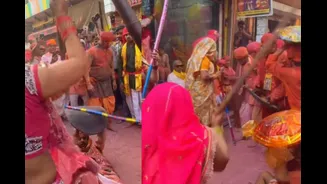
Over time, Holi's cultural significance deepened, attracting the attention of historical figures and evolving into the multi-faceted festival it is today. Devotional poets like Surdas in the 16th century wove the spirit of Holi into their Krishna bhajans, further embedding it in the cultural consciousness. Even Mughal emperors such as Akbar and Shah Jahan were known to celebrate Holi alongside their Hindu subjects, with historical paintings depicting scenes of shared revelry, illustrating the festival's inclusive nature. This historical embrace highlights Holi's journey from ancient rituals to a widely celebrated cultural phenomenon. Its inclusive spirit is also evident in its diverse regional manifestations, ranging from Bengal's unique Basanta Utsav, characterized by rice flinging, to the spirited Lathmar Holi of Braj, where women playfully hit men with sticks.
Observing Holi Across India
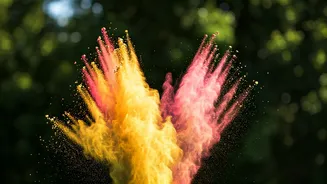
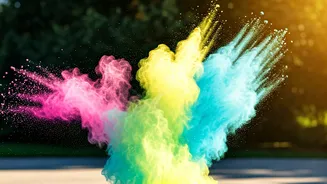
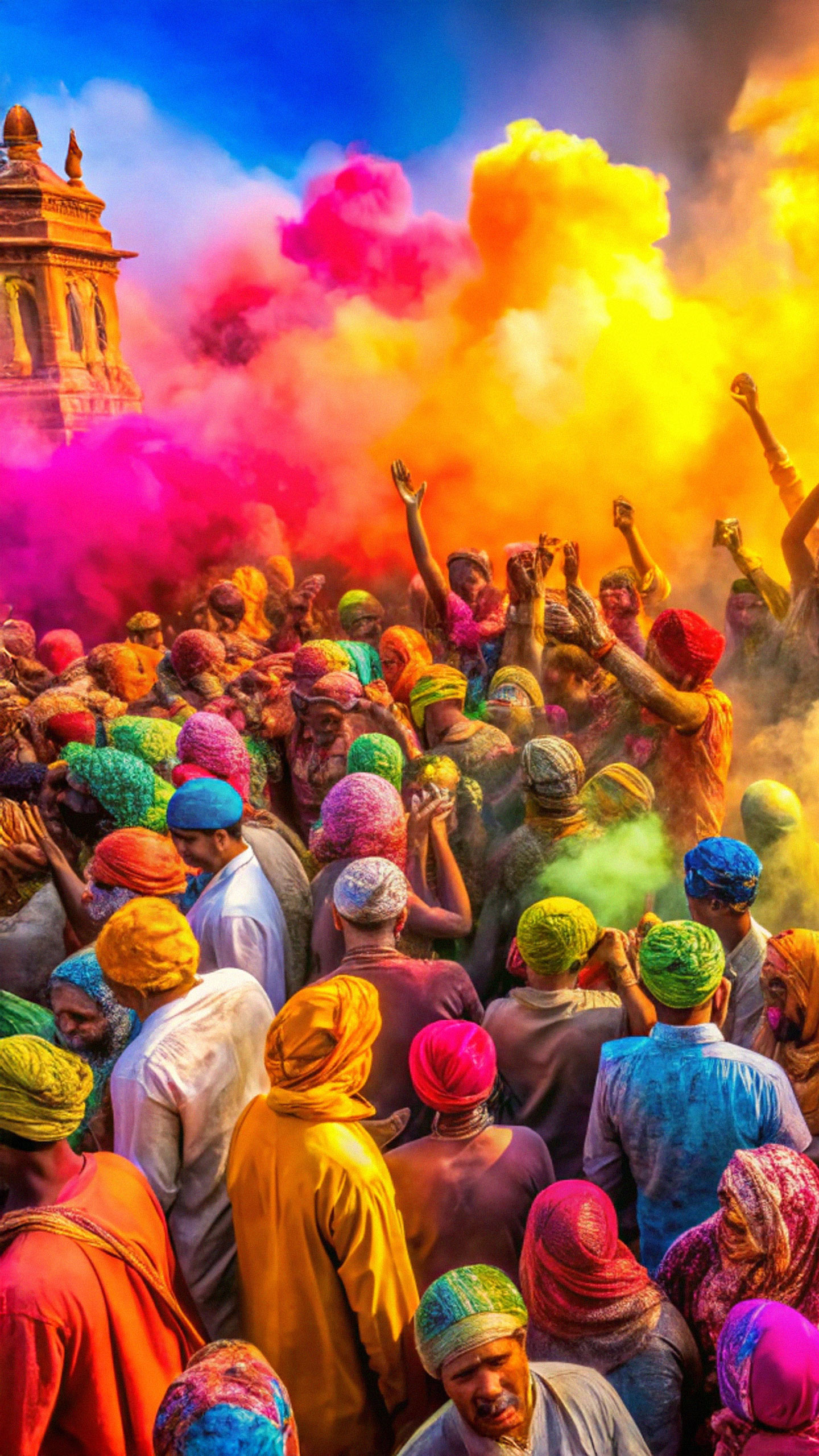
While Holi is celebrated with joyous fervor across India, certain customs and practices are common throughout the country. The festivities commence with Holika Dahan, the ritualistic burning of a bonfire on the eve of Holi. During this ceremony, offerings such as ghee, cow dung cakes, and coconuts are made to the sacred fire, accompanied by prayers for the well-being and protection of family members. The following day, Holi itself, begins with people smearing colored powders and water on each other, often starting with playing colors on idols at home or in temples. Following these initial celebrations, people engage in vibrant color play with friends and relatives. As the day progresses, many families gather in the evening to reconnect, seek blessings, share good wishes, and exchange delicious traditional foods, underscoring the festival's emphasis on community and togetherness.