







Caterpillar Cuisine Matters
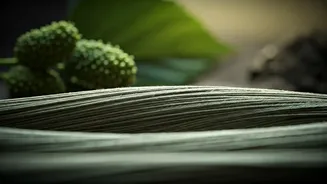
The fundamental difference in how silks feel often traces back to the silkworm's dinner plate. Mulberry silk, renowned for its smooth, almost liquid-like
texture, comes from the Bombyx mori silkworm. These creatures are meticulously raised indoors in controlled environments, subsisting solely on a consistent diet of mulberry leaves. This singular, predictable nourishment allows them to spin a continuous, perfectly circular, and flawless filament. In stark contrast, the caterpillars that produce Vanya silks, such as Tussar, Muga, and Eri, are free-range foragers. They inhabit open forests, feeding on a diverse array of oak, castor, or juniper leaves. This varied and tannin-rich diet profoundly impacts the protein structure of the silk they produce, resulting in threads that are shorter, thicker, and inherently irregular. It's this natural irregularity that imparts raw, wild silks with their characteristic rich, breathable, and somewhat textured 'slubby' feel, reminiscent of linen.
Silk's Environmental Fingerprint
Much like wine has 'terroir,' silk also carries the imprint of its geographical origin. The climate where the silkworm spins its cocoon plays a crucial role in shaping the silk's inherent properties, particularly its two main protein components: fibroin (the solid core) and sericin (the binding gum). Consider the humid, damp atmosphere of Assam; silkworms native to this region spin Muga silk, which naturally develops exceptional tensile strength and a stunning golden, metallic sheen as an adaptation to its environment. Now, contrast this with the dry, arid conditions found in central Indian areas like Chhattisgarh or Bhagalpur. The Tussar silk produced here is notably porous, effectively trapping air. This porosity makes it an excellent natural insulator, feeling cool and crisp during warmer months and providing a cozy warmth in cooler temperatures, making it ideal for diverse climates.
The Weaver's Hand
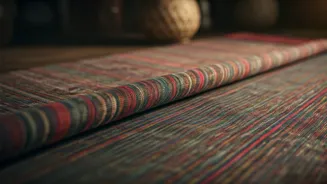
The final tactile experience of silk is significantly influenced by the weaving process itself. Mechanical power looms operate with relentless, uniform tension, resulting in a completely flat and even fabric surface. However, a human handloom introduces a subtle, rhythmic cadence and microscopic inconsistencies into the weave. A skilled human weaver inadvertently creates tiny air pockets within the fabric structure, bestowing the finished textile with a softer drape and a more organic, yielding feel. Therefore, when you encounter a handwoven silk, you're not just touching thread; you're experiencing a tangible narrative of a silkworm's varied diet, the local climate's influence, and the nuanced artistry of human hands.
The Sericin Secret
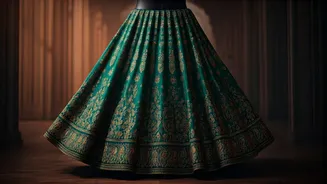
Before silk threads can be woven, they undergo a boiling process to remove the sticky sericin gum that binds them together. Commercial manufacturers often aggressively boil the silk to eliminate all sericin, leading to the ultra-drapey, limp fabric commonly found in mass-produced items. In contrast, regional artisans possess a deeper understanding of silk's potential. They intentionally retain a specific portion of the natural gum. Preserving a degree of sericin is the key to achieving the crisp, almost paper-like stiffness and architectural volume characteristic of many heritage weaves, lending them structure and longevity.