






Understanding Withdrawal Headaches
The pounding headaches you experience when cutting back on coffee are a normal physiological response. As your body acclimates to reduced caffeine levels,
these symptoms typically emerge within 12 to 24 hours of your last dose and can persist for up to a week. This discomfort signifies your system's recalibration process after a period of regular caffeine stimulation. It's your body's way of signaling that it's adjusting to a new normal, making the transition feel challenging but ultimately manageable with the right approach.
The Gradual Tapering Method
Abruptly stopping coffee can lead to unpleasant withdrawal, making the quitting process feel insurmountable. Medical experts recommend a more gentle approach: gradual reduction over one to two weeks. This slower transition allows your body to adapt more comfortably, significantly minimizing withdrawal effects like irritability and fatigue. By progressively decreasing your caffeine intake, you also gain valuable time to observe how your blood pressure responds. Simple adjustments, such as switching to lower-caffeine beverages or extending the time between your coffee servings, can greatly ease this journey. Maintaining adequate hydration and ensuring sufficient sleep are also crucial for a smoother, less disruptive experience.
Coffee's Blood Pressure Link
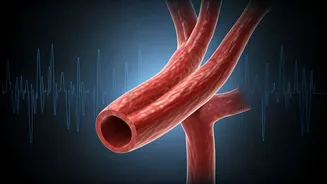
If your doctor has expressed concerns about your blood pressure, the role of coffee might have been discussed for a valid reason. Caffeine is known to induce a transient elevation in blood pressure by stimulating the heart and constricting blood vessels. For individuals particularly sensitive to its effects, reducing or completely eliminating coffee consumption can contribute to a modest decrease in blood pressure over time. While coffee might not be the sole determinant of your blood pressure readings, it can certainly be a contributing factor in your overall health management strategy.
Energizing Alternatives
Giving up coffee doesn't mean resigning yourself to low energy. There are numerous refreshing alternatives that can provide a natural boost without impacting your blood pressure negatively. Options like green tea or various herbal infusions offer a milder, more sustained energy lift with less caffeine, making them kinder to your cardiovascular system. For an even simpler approach, consider starting your day with a glass of lemon water or coconut water. Short, brisk walks can also work wonders for alertness. These small, intentional shifts can make the transition away from coffee feel significantly more manageable and sustainable in the long run.