



Sudden Demand Spike
Appliance stores across Pune, from Laxmi Road to Aundh and Hadapsar, are experiencing an unprecedented surge in demand for induction cooktops. This shift,
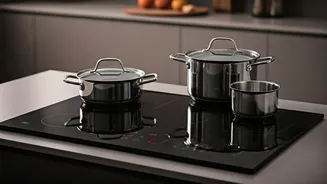
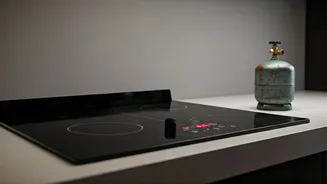
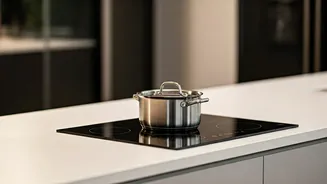
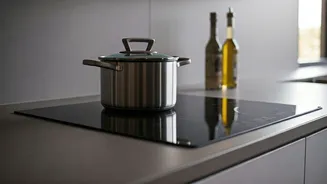
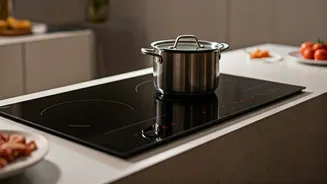
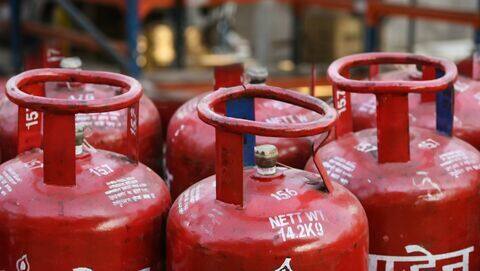
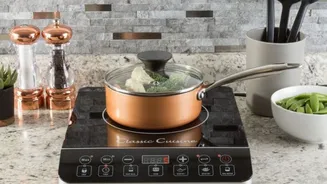
which began over the past few weeks, is directly attributed to the ongoing uncertainty surrounding Liquefied Petroleum Gas (LPG) cylinder availability. Previously considered a secondary or niche appliance, often purchased by individuals living alone or students, induction stoves have now become a primary concern for many families. Retailers report a significant jump in sales, with customers specifically inquiring about induction options due to anxieties over delayed LPG cylinder deliveries. This indicates a growing reliance on alternative cooking methods as a dependable backup to maintain kitchen operations smoothly during periods of LPG scarcity.
Beyond the Cooktop
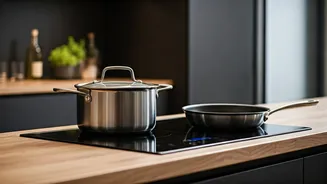
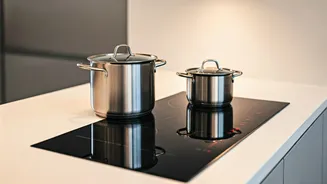
The increased interest in induction cooktops is not confined to the appliances themselves; it has spurred a parallel demand for induction-compatible cookware. Retailers are observing a robust uptake of flat-bottomed steel pans, tawas, and pressure cookers specifically designed for induction surfaces. Many households that already owned induction cooktops but rarely used them are now actively seeking out the necessary utensils to utilize them effectively. This phenomenon is leading to customers purchasing complete sets of cookware rather than just individual pieces, as they pivot towards making the induction option a more integrated part of their daily cooking routine. The trend suggests a broader re-evaluation of kitchen setups to accommodate these evolving needs.
Hybrid Cooking Approach
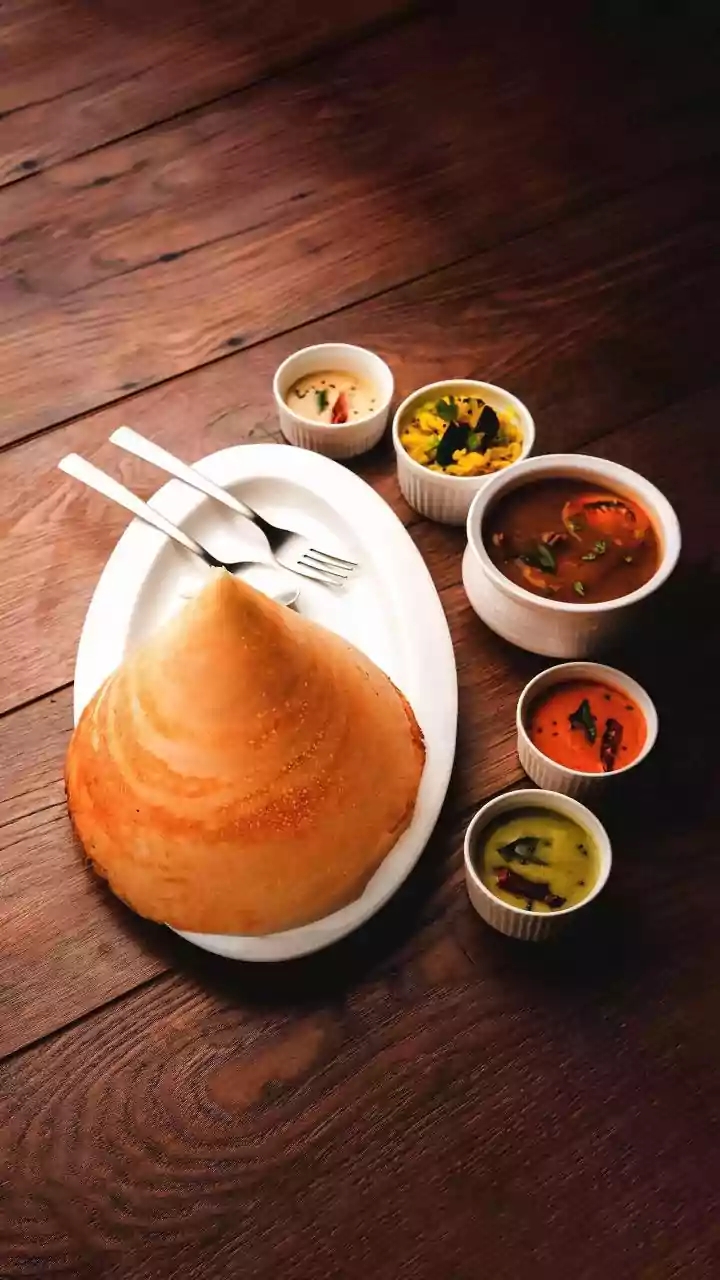
For many Pune families, the induction cooktop has found its place as a complementary appliance, primarily used for basic culinary tasks while LPG continues to serve for dishes requiring a direct flame. This hybrid approach allows households to manage a wider range of cooking needs, ensuring continuity even when LPG supplies are inconsistent. For instance, simple preparations like brewing tea, boiling milk, and using pressure cookers are efficiently handled on induction. Meanwhile, traditional dishes like rotis and dosas, which benefit from the direct heat of an LPG flame, are still prepared using conventional methods. This pragmatic integration maximizes kitchen efficiency and minimizes disruption caused by supply chain issues.
Domestic Workers Adapt
The shifting kitchen landscape is also impacting domestic workers who manage cooking in multiple households. Professionals in this field are increasingly adapting to using induction cooktops, sometimes for the first time. Stories emerge of cooks needing to prepare meals on induction when gas cylinders run out unexpectedly, requiring them to adjust their techniques. While initially perceived as slower or different, many have successfully learned to operate induction stoves effectively, integrating them into their workflow. This highlights the adaptability of both households and service providers in navigating the practical challenges posed by fluctuating fuel availability and embracing new cooking technologies.
Online Demand Surges
The heightened demand for induction cooktops and their accessories is not limited to physical retail spaces; it's also significantly impacting online sales. Quick-commerce platforms are frequently reporting induction cooktops as sold out across various Pune neighborhoods. This online trend underscores the widespread nature of the appliance's popularity and the urgency with which consumers are seeking these alternatives. Some stores are even resorting to taking advance reservations for incoming stock, as products are selling out almost as soon as they arrive. This widespread rush, both online and offline, points to a substantial and sustained shift in consumer behavior towards embracing induction technology.