






The Millet Renaissance
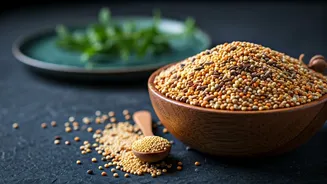
Long before millets were hailed as "supergrains," they formed the backbone of everyday Indian meals. Varieties like bajra, jowar, ragi, and foxtail millet were commonly
transformed into hearty rotis and nourishing porridges, providing sustained energy that powered daily activities. These grains, deeply suited to India's varied climate, required minimal water and thrived in challenging conditions, making them ideal for physically demanding lifestyles, especially in rural areas. However, with the rise of polished rice and refined flour, millets were marginalized, often unfairly associated with less affluent diets. Now, they are experiencing a significant resurgence, celebrated for their rich fiber content, essential minerals, and ability to manage blood sugar levels more effectively. This revival acknowledges the wisdom of previous generations, recognizing millets not as a fallback option but as a smart, health-conscious choice for modern diets.
Jaggery's Sweet Return
Before the ubiquity of refined sugar, jaggery was the preferred natural sweetener in Indian households. It was a versatile ingredient, incorporated into warm beverages, traditional sweets, post-meal treats, and warming winter dishes, offering a unique blend of flavor and energy. Today, jaggery is being rediscovered and embraced as a wholesome alternative to processed sugar. Its appeal lies not only in its perceived natural qualities but also in its complex, rustic flavor profile and deep cultural resonance. This renewed interest reflects a modern craving for sweetness that feels more authentic and less manufactured, connecting consumers to a more grounded and traditional taste experience.
Curd: Gut Health Hero
Curd, or dahi, has always been a non-negotiable daily component in Indian cuisine, far from being a fleeting trend. It consistently graced lunch plates, was blended into refreshing chaas (buttermilk), mixed with rice, or served as a cooling agent during hot weather. Grandparents valued curd for its familiarity and efficacy, not for its trendiness. Now, curd is being recognized globally for its probiotic benefits, lauded for its positive impact on gut health, immunity, and digestion. While scientific validation has amplified its importance, the practice of incorporating curd into daily meals is deeply ingrained in Indian tradition. It has historically served as a simple, effective remedy for indigestion, post-meal comfort, and combating heat.
Makhana: The Light Snack
For a considerable period, makhana, or fox nuts, occupied a subtle niche in Indian food culture. Primarily consumed during religious fasts or lightly roasted at home with ghee and spices, it was more of a quiet pantry staple than a trend. Children enjoyed it as a light evening snack, and elders appreciated its easy digestibility. In recent times, makhana has undergone a remarkable transformation, being marketed as a premium, healthy snack. Packaged attractively, it's now promoted for its high protein and low-fat content, appealing to those seeking mindful eating options. This evolution from a simple, humble ingredient to a designer snack highlights its inherent versatility and lightness, qualities that have ensured its enduring presence in Indian kitchens.
Ghee's Nourishing Revival
Ghee, a clarified butter, was once a fundamental element in Indian cooking, generously used on rotis, rice, dals, and in sweets without a second thought. Its widespread use eventually led to it being viewed with suspicion amidst changing dietary recommendations. However, ghee is now making a comeback, appreciated in moderation for its rich flavor, satiating qualities, and connection to culinary heritage. Grandparents regarded ghee not as an indulgence but as a source of essential nourishment, comfort, and strength. This renewed appreciation for ghee signifies a broader cultural shift towards valuing foods that offer both functional health benefits and emotional grounding.
Fermented Foods' Rise
Long before the term "microbiome" entered mainstream conversation, Indian kitchens were adept at fermentation, creating staples like idli, dosa, dhokla, kanji, and various pickles. These foods were born out of practicality, seasonality, and generations of accumulated household knowledge, not as deliberate wellness products. Today, fermentation is a globally recognized food trend, celebrated for its benefits to digestive health and gut flora diversity. However, in India, this practice has always been an integral part of the culinary landscape, representing tradition and daily sustenance. The resurgence of fermented foods highlights how ancient practices, often disguised as novel trends, carry both historical significance and scientific merit.
Chutneys and Spices Shine
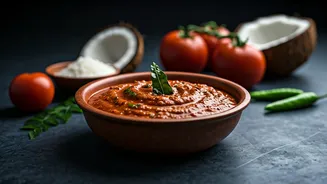
Indian grandparents didn't view chutneys as mere accompaniments; they were essential components that elevated meals. From vibrant coconut and mint chutneys to tangy tomato and pungent garlic variations, they provided crucial sharpness, freshness, and complexity. Similarly, common spices like ajwain, jeera, methi, turmeric, and black pepper were daily staples, valued for enhancing taste and aiding digestion. Contemporary food culture is rediscovering this age-old wisdom, recognizing that exceptional flavor and functional health benefits can coexist. Chutneys and traditional spices are being celebrated again for their ability to transform simple dishes, reminding us that the most insightful culinary practices often originated in kitchens unconcerned with fleeting trends.