






The Cooling Catastrophe
Many enthusiasts make a critical error by placing warm bread directly into the freezer. As warm bread cools, it releases moisture. Freezing this moisture before
it dissipates allows it to form ice crystals within the bread's structure. These crystals aren't benign; they actively degrade the interior, leading to a firm crumb and a loss of that desirable fresh-baked texture. Upon thawing, this results in bread that is dry, prone to crumbling, and distinctly different from its original state. The solution is remarkably straightforward: allow the bread to cool completely on a countertop before attempting to freeze it. While this requires a degree of patience, the preservation of texture and taste makes the wait entirely worthwhile.
Packaging Pitfalls Exposed
The type of wrapping used for bread destined for the freezer is paramount. If the packaging isn't airtight, the bread is exposed to air and moisture. This environmental interaction is the primary culprit behind freezer burn, that undesirable dry, off-flavor that can render frozen food unappealing. Research highlights that effective packaging acts as a vital barrier against moisture and oxygen. Without this robust defense, food undergoes sensory degradation, a scientific term describing the loss of flavor and the development of a compromised texture. Therefore, employing a double-layer protection strategy is highly recommended. This can involve tightly wrapping the bread in plastic wrap followed by aluminum foil, or using a heavy-duty freezer bag specifically engineered for cold storage. A secure seal also prevents the bread from inadvertently absorbing the flavors of other items stored in the freezer, ensuring your sourdough doesn't pick up the scent of last week's curry.
The Air Factor Matters
A step frequently overlooked by many home cooks is the elimination of trapped air from the freezer bag. This seemingly minor detail significantly impacts the longevity and quality of frozen bread. Even when using high-quality freezer bags, residual air can lead to oxidation over time. This process alters both the flavor and color of the bread, contributing to a stale taste and a dull crust. Taking a few extra seconds to expel as much air as possible before sealing the bag, or even using a straw to actively suck out the air, can make a tangible difference in how well the bread maintains its integrity during storage. This simple action helps preserve the bread's desirable characteristics for weeks.
Portioning for Perfection
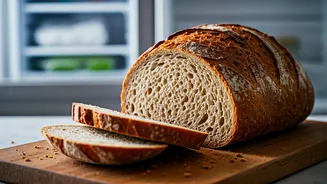
While freezing an entire loaf might seem like an efficient way to handle meal prep, it can actually be detrimental to the bread's texture. Large portions are prone to uneven freezing. This inconsistency in temperature causes moisture to separate within the loaf, negatively impacting both its taste and overall texture. Smaller portions freeze more rapidly and evenly, minimizing ice crystal formation and thus reducing damage. Even simply slicing the loaf before freezing contributes to more uniform temperature distribution. This not only results in better quality bread upon thawing but also offers a significant convenience bonus. You can then retrieve only the amount needed for a single serving, such as a couple of slices for morning toast, without compromising the integrity of the remaining loaf.
The Refreezing Red Flag
Once bread has undergone the thawing process, attempting to refreeze it is a guaranteed path to disappointment. Each cycle of freezing and thawing makes the bread increasingly vulnerable. It becomes softer, more susceptible to freezer burn, and more prone to bacterial breakdown with subsequent refreezing. This is precisely why portioning the bread before its initial freeze is so crucial. By dividing the loaf into manageable portions beforehand, you effectively eliminate the need to refreeze any part of it, thereby preserving its quality and safety.
Thawing Techniques Triumph
The method used for thawing frozen bread can undo all the careful preparation that preceded it. Leaving frozen bread to thaw on the kitchen counter, while seemingly natural, creates an environment conducive to bacterial growth. This can lead to a soggy texture and uneven warming. A superior approach for preserving quality is to thaw the bread in the refrigerator overnight. For those pressed for time on a busy weekday morning, the defrost setting on a microwave can be a viable alternative, though it requires careful monitoring to avoid over-processing.
Bread Type Considerations
It's important to recognize that not all types of bread freeze equally well. When selecting loaves for freezing, particularly from a grocery store or farmer's market, consider their composition. Breads with a high moisture content or delicate crusts tend to degrade more rapidly in the freezer. Conversely, denser bread varieties, such as sourdough or whole wheat, tend to withstand the freeze-thaw cycle much better. If your intention is to stock your freezer for extended periods, opting for these sturdier loaves will yield more satisfactory results upon thawing.