




Container Choices Matter
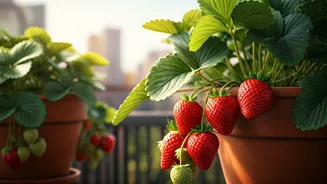
Embarking on your balcony strawberry journey begins with selecting the ideal home for your plants. Opt for containers that are approximately 10 to 12 inches
deep, crucially featuring ample drainage holes. This prevents waterlogging, a common culprit behind root rot and stunted growth, ensuring your plants' root systems thrive. Beyond traditional pots, consider the space-saving potential of hanging baskets, fabric grow bags, or tiered vertical planters. These innovative solutions allow you to maximize limited balcony real estate while promoting essential air circulation and sunlight exposure, both vital for robust plant health and prolific, sweet fruit production.
The Perfect Soil Mix
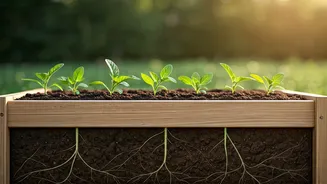
To foster vibrant strawberry plants and sweet fruits, a loose, nutrient-rich, and well-draining soil blend is paramount. A thoughtful combination of garden soil, organic compost, and either cocopeat or sand will strike an excellent balance, promoting aeration and retaining the right amount of moisture. Strawberries flourish in slightly acidic conditions, which aids in both fruit development and overall plant vigor. It's advisable to steer clear of heavy, compacted garden soil in containers, as it can impede root development, leading to less healthy plants and a diminished harvest. A carefully prepared substrate is the foundation for success.
Sunshine for Sweetness
Unlocking the full potential of your strawberry plants hinges on providing them with abundant sunlight. These fruits crave at least six to eight hours of direct sun exposure daily to develop their characteristic sweetness and ensure prolific fruiting. For optimal light conditions on a balcony, positions that receive ample southern or western exposure are generally best. This consistent sun exposure not only fuels the plant's growth but also significantly enhances the flavor and quantity of the fruit produced, guaranteeing a more satisfying and plentiful harvest throughout the season.
Watering Wisely
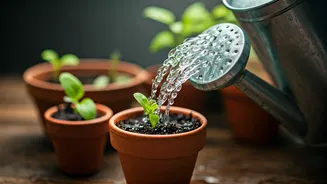
Maintaining a consistent and appropriate watering schedule is fundamental to the health of your balcony strawberry plants. The soil should always feel slightly damp to the touch, never saturated or bone dry. A good practice is to water your plants whenever the top inch of soil begins to feel dry, which might mean daily watering during warmer periods. It's highly recommended to water in the early morning hours. This allows the soil to absorb moisture effectively and, more importantly, helps to prevent fungal diseases by ensuring that plant leaves are not left wet overnight. Proper hydration is key to vigorous growth and delicious fruit.
Feeding for Fruiting
To encourage a generous yield of delicious strawberries, regular nourishment is essential. Supplementing your plants with a balanced liquid fertilizer or a slow-release organic option every few weeks will provide the necessary nutrients for robust growth and abundant flowering. Exercise caution with fertilizers high in nitrogen, as these can encourage excessive leaf production at the expense of fruit development. Striking the right balance in feeding will promote larger, stronger fruits and healthier, more productive plants.
Mulching and Runners
Enhancing your strawberry plants' environment and directing their energy effectively are crucial steps for a superior harvest. Applying a layer of mulch, such as straw, dried leaves, or coco husk, around the base of your plants serves a dual purpose: it helps retain soil moisture, reducing the frequency of watering, and it keeps the developing fruits clean and protected from soil contact. Additionally, strawberry plants naturally produce runners – long stems that sprout new baby plants. To optimize the main plant's energy for fruit production, it's beneficial to trim away excess runners, allowing it to concentrate its resources on growing larger, sweeter berries.
Harvesting Ripe Delights
The ultimate reward for your efforts comes with harvesting. Strawberries are ready to be picked when they achieve a full, vibrant red color. It's important to note that strawberries do not ripen significantly once they are picked, so patience is key to enjoying their peak sweetness. Regular harvesting also plays a vital role in encouraging the plant to continue producing more flowers and subsequent fruits throughout the growing season, ensuring a continuous supply of your delicious homegrown treats.