





Color Psychology Matters
The hues we select for our attire can profoundly influence our psychological state, especially during challenging transitions like returning to work after
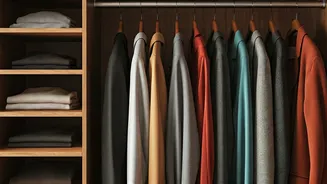
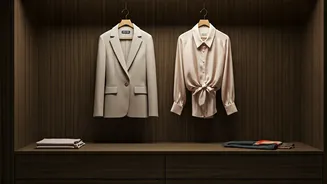
a break. While muted tones like grey and black might seem like safe professional choices, they can inadvertently suppress mood and contribute to feelings of dullness and fatigue, particularly after a vibrant holiday period. Research indicates that consistent exposure to neutral palettes can foster a sense of flatness, mirroring seasonal weariness. Conversely, even subtle introductions of color, whether through a scarf, a blouse, or footwear, can provide a significant psychological lift without compromising professional decorum. Studies in behavioral research have established a strong link between brighter colors and increased positive emotions, while darker shades are often associated with diminished mood and energy. Therefore, strategically incorporating splashes of color can help counteract post-holiday blues and signal energy and intention, shifting your mindset towards a more positive outlook. This doesn't necessitate a complete wardrobe overhaul; small, impactful color additions can make a substantial difference.
Comfort Over Constraint
The physical sensation of wearing clothing directly impacts our stress levels, particularly when returning to work after a period of relaxation. Restrictive garments—such as tight waistbands, stiff fabrics, or materials with poor breathability—can subject the body to continuous, low-level strain. This discomfort is magnified when one is already experiencing anxiety about resuming work routines, leading the body to interpret these physical sensations as additional stressors. This can elevate cortisol levels and foster a heightened state of unease. Beyond physical discomfort, restrictive clothing can also induce self-consciousness, as constant adjustments pull focus away from tasks and amplify feelings of unease. The cumulative mental load of managing minor physical discomfort adds to cognitive strain during a time when readjusting to work demands. Clothing should ideally support your comfort and freedom of movement, allowing you to direct your energy towards your responsibilities rather than being preoccupied with ill-fitting attire. Prioritizing fits and fabrics that permit unrestricted motion and breathability is crucial for overall well-being and productivity.
Mastering Layering & Temperature
Effective temperature regulation through thoughtful layering is essential for maintaining focus and cognitive performance at work. Both over-layering and under-layering can create significant problems. When you're too hot, it can lead to sluggishness and irritability, while being too cold results in distraction and tension. In either scenario, your brain expends valuable energy trying to manage physical discomfort instead of concentrating on your tasks. Office environments often experience unpredictable temperature fluctuations, especially during seasonal shifts. Wearing excessive heavy layers can cause overheating and mental fog, whereas insufficient layers force your body to work harder to stay warm. Both situations contribute to reduced productivity and increased frustration. Thermal discomfort has been shown to significantly impair cognitive abilities, leading to greater distraction and lower task efficiency. The solution lies in strategic layering using breathable, adaptable pieces. Lightweight knits, cardigans, and scarves offer flexibility to adjust your temperature throughout the day without compromising your professional appearance. Opting for natural fibers like cotton, merino wool, and linen blends can aid in more effective body temperature regulation compared to synthetic materials, fostering a more stable and conducive work environment.
Practical Wardrobe Upgrades
Making the transition back to work less jarring doesn't necessitate a complete overhaul of your existing wardrobe. Experts suggest focusing on small, deliberate upgrades that prioritize psychological comfort alongside professional presentation. Embracing comfort-first tailoring involves selecting structured pieces with a relaxed fit; 'tailored' should not equate to 'tight.' Look for trousers featuring elastic waistbands, blazers with integrated stretch panels, and shirts cut with ample room for movement. Well-fitting garments that avoid restriction allow you to feel polished without enduring physical strain. Furthermore, texture and fabric choices play a critical role; soft, breathable materials like jersey knits, brushed cotton, and ponte fabrics reduce sensory stress and offer structure without sacrificing comfort. Avoiding stiff or abrasive materials is key, as a soft fabric against the skin promotes a sense of ease, while scratchy textures can keep you on edge. Finally, consider small psychological upgrades. A well-fitting pair of shoes, a luxurious cashmere-blend jumper, or a vibrant jewel-toned accessory can subtly shift your mood. These thoughtful choices transform getting dressed from a chore into an act of self-care, enhancing your overall well-being and readiness for the workday.