




The Myth of Pink Lips
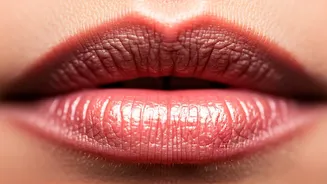
The notion of universally "naturally pink lips" is a pervasive beauty ideal that often doesn't align with reality for many individuals, especially in India.
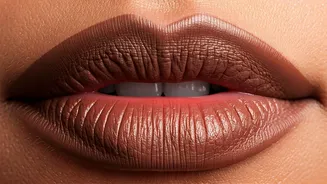
This pursuit of a specific lip shade can create unnecessary pressure, leading people to believe their natural lip color is a flaw. However, lip coloration is a diverse trait influenced by a confluence of factors including genetic background, inherent skin tone, and environmental conditions. For a significant portion of the Indian population, possessing intensely pink lips is not the biological norm, and this is entirely acceptable. It's crucial to understand that this variation isn't a cosmetic issue needing a 'fix,' but rather a testament to our diverse genetic makeup and biological processes. Embracing this natural variation moves away from chasing artificial standards and towards appreciating individual beauty.
Science of Pigmentation Explained
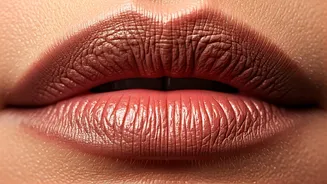
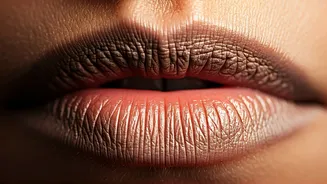
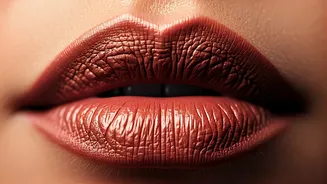
The differing shades of lips observed across various ethnicities can be attributed to two primary biological elements: melanin and vascularity. Melanin, the same pigment responsible for coloring our skin, hair, and eyes, also dictates the pigmentation of our lips. Individuals with deeper or duskier complexions naturally possess higher concentrations of melanin, which results in more deeply colored lips. Conversely, those with lighter complexions have less melanin in their lip skin, making it more translucent. This transparency allows the underlying red blood vessels to be more visible, creating the appearance of a pinkish hue. Given that a large segment of the Indian population has medium to deep skin tones, darker or more pigmented lips are the genetic default. This characteristic is an inherited trait, not an indicator of any deficiency or incorrect biological function. The skin on our lips is exceptionally thin, which means even subtle amounts of melanin are readily apparent, contributing to their perceived color.
Environmental and Genetic Factors
Beyond inherent pigmentation, external factors play a significant role in lip color, particularly in environments like India where sun exposure is prevalent. Constant exposure to sunlight can stimulate the skin's production of melanin as a protective mechanism against UV damage. This increased melanin synthesis can lead to a darkening of the lips over time. Therefore, while genetics lay the foundation for lip color, environmental influences can further modify its appearance. The delicate nature of lip skin exacerbates these effects, making them more susceptible to changes driven by both internal (genetic) and external (environmental) stimuli. Understanding these combined influences helps demystify why lip colors vary so dramatically and why darker lips are a natural outcome for many in sunny regions.
Embracing Healthy Lips
While there's nothing inherently wrong with desiring aesthetically pleasing lips, the focus should shift from altering natural color to promoting overall lip health. Simple practices such as staying adequately hydrated, consistently applying a lip balm that includes SPF for sun protection, and engaging in gentle exfoliation can significantly enhance the appearance of lips, making them look smoother and healthier. For those who are inclined towards cosmetic changes, various options are available. However, it is vital to question and move beyond beauty standards that were not designed for our demographic. The absence of naturally pink lips is entirely normal and should not be perceived as an imperfection. Prioritizing lip health and hydration offers a more sustainable and authentic approach to lip care, ensuring they look their best irrespective of underlying pigmentation, without the need for artificial enhancements.