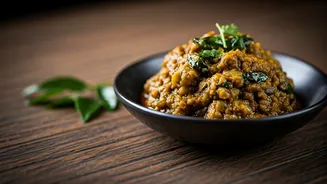

About Arbi Leaves
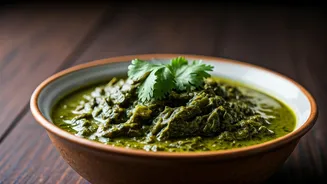
Arbi, also known as taro root, is a starchy root vegetable, and its leaves, the patte, are used in this flavorful sabzi. These leaves are packed with nutrients
and have a unique taste. Selecting fresh arbi leaves is crucial for the best outcome. Look for vibrant green leaves that are free from any blemishes or discoloration. Freshness directly impacts the taste and texture of the final dish. When preparing the leaves, it's essential to wash them thoroughly to remove any dirt or residue. Then, these leaves need to be chopped or finely shredded for cooking, which is crucial for even cooking and proper flavor infusion during the process. The preparation of the leaves is a fundamental step, influencing the taste and texture of the sabzi.
Essential Ingredients
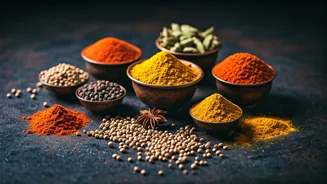
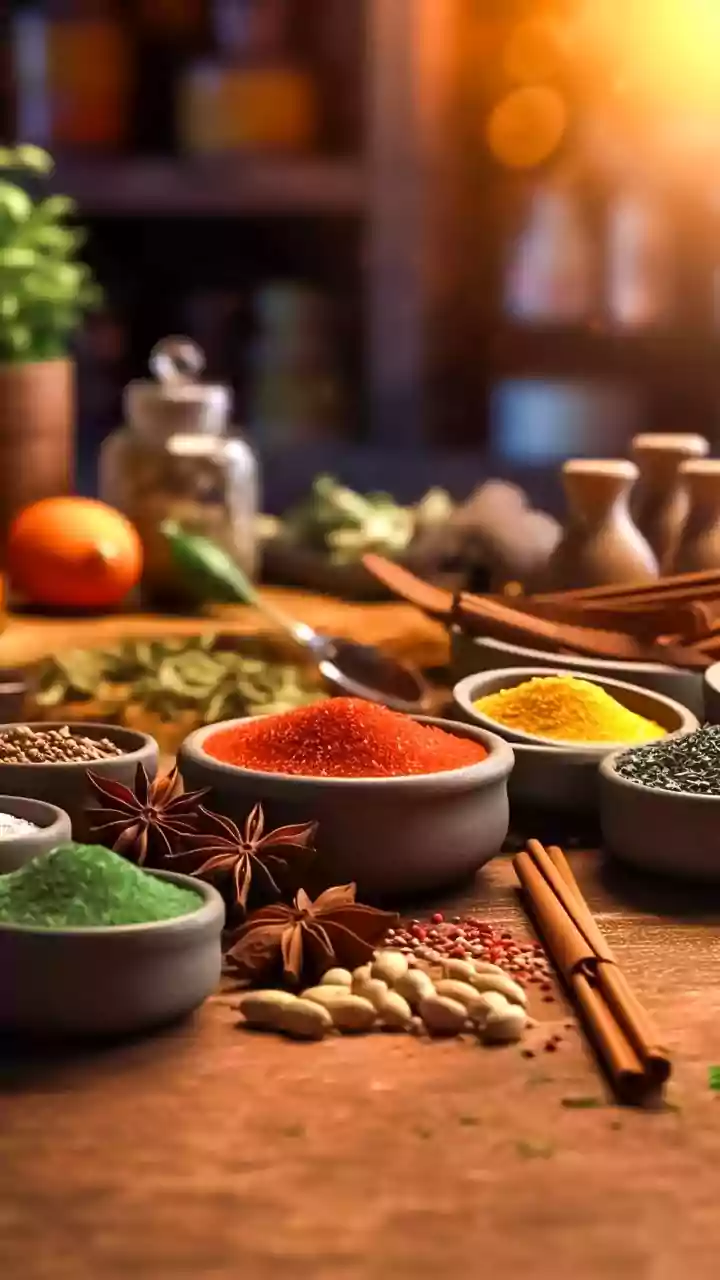
The Arbi ke Patte ki Sabzi requires a combination of common ingredients. Start with the arbi leaves, naturally, which form the base of the dish. Other key components include onions, tomatoes, and green chilies, which provide the savory base and depth of flavor. Spices play a pivotal role in the preparation. Common spices such as turmeric, coriander powder, red chili powder, and asafoetida (hing) give the sabzi its distinctive Indian flavor profile. Some recipes call for a tempering of mustard seeds and curry leaves in hot oil, which adds another dimension of flavor. These ingredients combine in a way that provides both flavor and the essence of Indian cooking. Remember, the quality of the ingredients has a direct bearing on the end result.
Preparation Steps
Start by washing and chopping the arbi leaves into manageable pieces, ensuring they are free from dirt. The cooking process typically begins by heating oil in a pan, then sautéing the onions until they soften and turn golden brown, which is a key step to flavor. Next, add the chopped tomatoes and green chilies, sautéing until the tomatoes soften, which forms a tasty base. Include the spices such as turmeric, coriander, and red chili powder. Add the chopped arbi leaves. Gently mix everything. Adding a bit of water helps to prevent the sabzi from drying out while it simmers. Cover and cook the mixture, stirring occasionally. The consistency of the sabzi can be adjusted by the amount of water used. Finally, finish with fresh coriander leaves for garnish, adding a fresh and aromatic touch.
Cooking Time and Tips
The cooking time of Arbi ke Patte ki Sabzi depends on the cooking method and the tenderness of the arbi leaves. Generally, the cooking process can take from 20 to 30 minutes. The key is to ensure the leaves become tender and the flavors blend well. To avoid a bitter taste, it's advised to choose young, tender arbi leaves, because they naturally have a better flavor. Avoid overcooking the sabzi, as it can make the leaves mushy. Stir frequently to prevent sticking to the bottom of the pan. The use of a lid is crucial for retaining moisture and cooking the leaves evenly. If the sabzi feels too dry, you can add a little bit more water to adjust the consistency. Adding a dash of lemon juice at the end can enhance the flavors and balance the spices.
Serving Suggestions
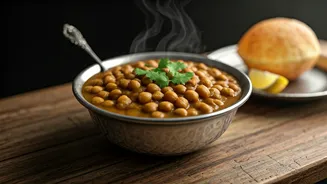
Arbi ke Patte ki Sabzi is extremely versatile and works perfectly with various accompaniments. It tastes best served hot, with roti, paratha, or even rice. Some people like to serve it with a dollop of yogurt or a side of raita, which balances the spice and adds a cooling effect to the meal. You can also pair it with a simple dal or any other vegetable dish to create a complete meal. For a complete dining experience, it can be served along with other side dishes, papads, and chutneys. It is common to add a little bit of ghee or butter to the roti or paratha, creating a richer taste. The key is to customize the meal to your taste. This sabzi is a great dish to enjoy during the main course.