



Current Fashion Trends
Fashion trends are ever-changing, influenced by culture, designers, and social media. One of the main trends includes a revival of vintage styles, with
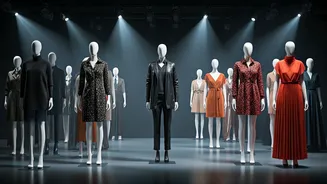
the resurgence of styles from the 1990s and early 2000s, such as low-rise jeans, crop tops, and slip dresses. These retro styles have been given a modern twist, making them relevant for today's fashion-conscious individuals. Sustainable fashion is another major trend, as consumers become more aware of the environmental impact of the industry. This has led to an increase in demand for eco-friendly materials, ethical production practices, and vintage or second-hand clothing. Minimalism and neutral color palettes continue to be popular, offering a sense of elegance and versatility. Clean lines, monochromatic outfits, and understated accessories are commonly seen in high fashion. Comfort and practicality also play a significant role. Athleisure wear, oversized clothing, and comfortable footwear remain popular choices, reflecting a shift towards more casual and functional styles. In addition, personal expression and individuality are highly celebrated, with people feeling more free to experiment with bold colors, patterns, and unconventional combinations. This leads to a diverse and inclusive fashion landscape where the consumers can express themselves freely and uniquely.
Style Guide Basics
Understanding style basics is crucial for building a wardrobe. Begin by identifying your personal style, which may include aspects of various styles. Next, the focus should be on building a foundation of essential clothing items. These core pieces, such as a well-fitting blazer, a classic white shirt, a versatile pair of jeans, and a little black dress, are fundamental for almost every wardrobe. Investing in these essential items ensures that you will have items that can be styled for any event. Mastering the art of color coordination is also essential. Knowing which colors complement each other and which colors best suit your complexion can greatly enhance your appearance. Neutral colors like black, white, gray, and beige are essential as they can be mixed and matched. Understanding how to use accessories to elevate an outfit is also important. Accessories like scarves, belts, jewelry, and bags can add personality and style. Paying attention to fit and tailoring is also vital. Well-fitting clothes look better and enhance your overall appearance. A visit to a tailor is a worthy investment, as it can transform any garment to fit your body perfectly, enhancing your comfort and confidence.
Wardrobe Essentials
Every wardrobe needs a selection of versatile pieces that can be mixed, matched, and styled for different occasions. For women, a tailored blazer is a must-have. It can be dressed up with a skirt or trousers or dressed down with jeans for a smart-casual look. A classic white shirt is another essential; it is easily adaptable to different styles. A little black dress is timeless and can be styled for many events. A pair of well-fitting jeans is also a wardrobe staple, ideally in a dark wash to maximize versatility. For men, a well-fitting suit is essential for professional settings and formal events. A few well-made shirts in neutral colors, such as white, light blue, and grey, are crucial. A quality pair of chinos offers both comfort and style. A versatile jacket, whether it’s a bomber, a leather jacket, or a trench coat, adds style and warmth. Both men and women should have a basic set of accessories, including a classic watch, a versatile belt, and some timeless jewelry pieces. Having these essentials will ensure that you have items to wear for nearly any event, creating the foundation for a stylish and functional wardrobe.
Color and Patterns
Colors and patterns can dramatically change an outfit. Understanding color theory and how colors work together is essential for creating outfits. Start by identifying the colors that complement your skin tone. Warm skin tones usually look best with warm colors like red, orange, and yellow, while cool skin tones often look best with cool colors like blue, green, and purple. Neutral colors like black, white, gray, and beige can be paired with almost anything. Incorporate patterns to add interest and personality. Stripes are a classic pattern that can be used to elongate the body. Florals add a touch of femininity, while geometric prints can make a bold statement. Mix and match patterns, being cautious of the scale and style of the patterns. Balance bold patterns with solid colors to prevent the outfit from seeming overwhelming. Start with small accessories like scarves or bags to test mixing patterns and get comfortable with different combinations.
Accessorizing Effectively
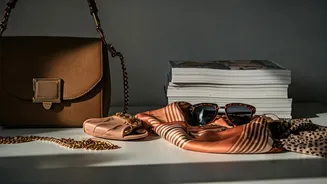
Accessories can drastically elevate a look. Jewelry, bags, shoes, and scarves are valuable for enhancing any outfit. Jewelry can add a touch of elegance or make a bold statement. Choose jewelry that complements your outfit, whether it’s a simple necklace for an everyday look or statement earrings for a special occasion. Bags provide function and fashion. A classic tote bag is suitable for everyday use, while a clutch or a crossbody bag will add style for evening events. Footwear completes an outfit. Select shoes that match your outfits and the occasion; choose comfort and style based on what suits your needs. Scarves can add color, pattern, and texture to an outfit. Experiment with different ways to wear scarves, from simple neck scarves to patterned silk scarves. Belts add structure and style. Choose a belt that complements the rest of your outfit, cinching the waist to create a defined silhouette. When accessorizing, consider the overall balance of your outfit. Avoid wearing too many statement pieces at once; the point is to enhance your outfit, not overshadow it.