





Understanding Knee Osteoarthritis
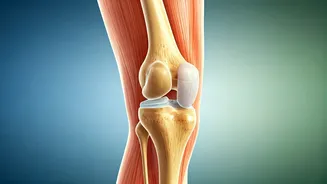
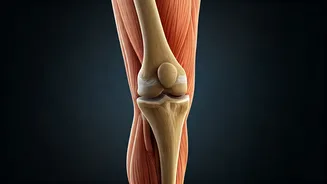
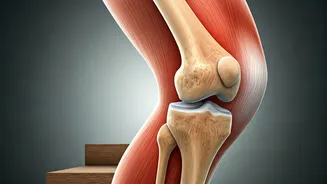
Knee osteoarthritis, a prevalent condition affecting approximately 30% of adults over 45, stems from the natural degeneration of the cartilage cushioning
the knee joints. This wear and tear leads to a cascade of uncomfortable symptoms, including persistent pain, significant inflammation, and a pronounced stiffness that can drastically limit daily activities. As individuals age, the susceptibility to developing osteoarthritis naturally increases, with knee joints being particularly vulnerable due to the constant stress they endure. While exercise is widely acknowledged as a crucial component in managing this condition, treatment guidelines have often lacked specific recommendations on which types of exercises yield the most substantial benefits for patients.
Comprehensive Exercise Review
To address the ambiguity surrounding effective exercise for knee osteoarthritis, researchers embarked on an extensive review. This meta-analysis synthesized findings from 217 randomized controlled trials, involving a substantial 15,684 participants, and spanned publications from 1990 to 2024. The objective was to meticulously compare the impacts of diverse exercise modalities, including aerobic training, resistance exercises, flexibility routines, mind-body practices, neuromotor interventions, and combined approaches. The scientific rigor of the study was enhanced by employing the GRADE system, a respected framework for assessing the quality and certainty of evidence. The research meticulously tracked various outcomes—pain levels, mobility, gait patterns, and overall quality of life—across different timeframes: short-term (four weeks), mid-term (12 weeks), and long-term (24 weeks).
Aerobic Exercise Dominance
The findings overwhelmingly pointed towards aerobic exercise as the most impactful intervention for knee osteoarthritis across most evaluated measures. Moderate-certainty evidence highlighted its effectiveness in alleviating pain during both short-term and mid-term treatment periods. Furthermore, aerobic activities consistently enhanced physical function across all analyzed time intervals. Beyond pain and function, participants engaging in aerobic exercise also experienced improvements in their gait and a better quality of life, particularly within the initial short and mid-term phases. While other exercise types demonstrated their own unique benefits—mind-body exercises excelled in boosting short-term function, neuromotor training positively influenced walking patterns, and strengthening exercises effectively improved physical function—aerobic exercise emerged as the superior primary treatment.
Safety and Recommendations
A crucial finding of the review is the inherent safety of exercise for knee osteoarthritis management. Regardless of the specific type of exercise undertaken, there was no observed increase in adverse events compared to control groups receiving no specific exercise intervention. This strongly supports the classification of exercise as a safe and effective therapeutic strategy. Despite the robust findings, researchers acknowledged certain limitations, such as variability in the quality of the included studies and a lack of comprehensive long-term follow-up data for some specific outcomes. Nonetheless, the study provides one of the most thorough comparisons of exercise therapies for knee osteoarthritis to date. The researchers strongly advocate for aerobic exercise to be considered the first-line intervention, especially when the primary goals are to enhance functional capacity and reduce pain, offering clear guidance for both patients and healthcare professionals.