





Tadasana: Stillness Base
Begin your practice with Tadasana, or Mountain Pose, a seemingly simple posture that offers profound benefits for alignment and breathing. Stand with your feet
together, allowing your arms to rest naturally at your sides. As you inhale, slowly extend your arms upwards, maintaining a forward gaze. Hold this pose for a few conscious breaths before gently releasing. The essence of Tadasana lies in establishing proper posture, which in turn promotes deeper and more efficient respiration. This enhanced breathing pattern can significantly alleviate strain on your cardiovascular system, providing a foundational stillness for the rest of your practice. It's about cultivating awareness in the upright stance, setting a calm and controlled tone.
Balasana: Reset Button
Balasana, known as Child's Pose, serves as a vital reset mechanism within your yoga sequence. Kneel on your mat, with your big toes touching, and then widen your knees to hip-width apart. Fold your torso forward, resting your forehead gently on the mat. Your arms can either be stretched out in front of you or rest alongside your body, palms facing upwards. This pose encourages a natural inward focus and promotes diaphragmatic breathing, helping to slow your heart rate. The gentle compression on the abdomen can also contribute to improved circulation. Studies suggest that relaxation-focused yoga practices, like Balasana, can lead to notable reductions in both systolic and diastolic blood pressure over consistent use, making it an indispensable part of a BP-friendly routine.
Sukhasana & Breathing
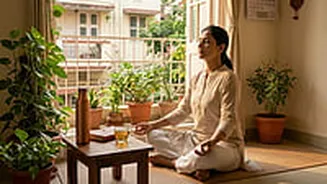
Sukhasana, or Easy Pose, combined with deep breathing, is an exceptionally powerful yet often underestimated practice for managing high blood pressure. Sit comfortably on your mat with your legs crossed, ensuring your spine remains erect and your shoulders relaxed. Rest your hands gently on your knees. The core of this practice is the focus on slow, deliberate breaths, where your exhalations are intentionally longer than your inhalations. This conscious breathing technique directly engages the parasympathetic nervous system, initiating a relaxation response that helps to decrease heart rate and relax blood vessels. Research, including reports from institutions like the National Institutes of Health, supports the efficacy of controlled breathing exercises in lowering blood pressure when practiced regularly, highlighting its significant impact.
Setu Bandhasana: Heart Opener
Setu Bandhasana, or Bridge Pose, is a gentle yet effective pose designed to open the chest and enhance blood circulation without causing undue exertion. Lie on your back with your knees bent and your feet flat on the floor, hip-width apart. As you inhale, slowly lift your hips off the ground, keeping your shoulders firmly planted. The aim here is not to achieve a deep or strenuous lift, but rather a mild elevation that facilitates an open chest cavity. This movement improves blood flow throughout the body and also helps to strengthen the back muscles gently. Prioritizing circulation over intensity is key in this pose, ensuring it remains safe and beneficial for those managing high blood pressure.
Ardha Matsyendrasana: Circulation
Ardha Matsyendrasana, the Seated Spinal Twist, is beneficial for spinal flexibility and can positively impact digestion and circulation. Begin by sitting with your legs extended. Bend your right knee and place your right foot on the outside of your left thigh. Gently twist your torso towards your right side, bringing your left elbow to the outside of your right knee or hugging your knee. Maintain a soft, unforced movement, and focus on steady breathing throughout. It is crucial to avoid deep, aggressive twists or holding your breath, as these actions can be counterproductive. A mild, controlled twist accompanied by even breaths is sufficient to reap the benefits for circulation and spinal mobility.
Vrikshasana: Balanced Focus
Vrikshasana, the Tree Pose, is a wonderful balance pose that helps sharpen mental focus and calm the mind's incessant chatter, all while promoting steady circulation. Stand on one leg, either your right or left, and place the sole of your opposite foot against your inner calf or thigh, avoiding direct pressure on the knee joint. Bring your palms together at your chest in a prayer position or extend them upwards. The key to this pose for individuals with high blood pressure is not about achieving perfect stillness, but about the gentle engagement of stabilizing muscles. If you sway, allow it; the effort to regain balance is beneficial. Keep the holds relatively brief, perhaps 10-15 seconds per side, and maintain slow, rhythmic breathing to avoid elevating your heart rate unnecessarily.
Shavasana: Absorption Phase
Shavasana, or Corpse Pose, is not merely an end to your practice but a crucial phase for integration and recovery, where the body truly absorbs the benefits of the yoga session. Lie flat on your back with your arms resting by your sides, palms facing upwards, and your eyes gently closed. Though it appears to be simple rest, Shavasana is an active process of relaxation. During this pose, your muscles release tension, your breathing naturally slows down, and your mind begins to settle. Skipping Shavasana is akin to reading a compelling book and stopping before the final chapter; it leaves the practice incomplete. It is here that the body and mind consolidate the positive effects of the preceding poses, leading to a deeper sense of calm and well-being.