



The Trend Treadmill
In today's fast-paced digital world, it often feels like a new micro-aesthetic emerges weekly, creating a relentless and overwhelming cycle of consumption.
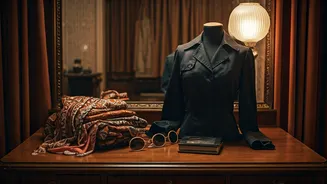
This constant barrage of fast fashion and viral internet trends can be utterly exhausting. Amidst this high-speed churn, a profound piece of wisdom from Yves Saint Laurent, "Fashions fade, style is eternal," offers a much-needed respite. This powerful statement, however, echoes a sentiment first articulated by Coco Chanel, who declared, "La mode passe, le style reste" (Fashion passes, style remains). Saint Laurent masterfully adapted this philosophy, applying it to modern wardrobes. His vision with the Rive Gauche ready-to-wear line in the late 1960s wasn't about chasing seasonal fads; it was about creating enduring pieces. Consider his revolutionary introduction of Le Smoking, the definitive women's tuxedo, or the iconic safari jacket. These were not fleeting trends but rather groundbreaking, architectural statements in personal presentation that retain their impact and relevance even decades later.
Commerce Versus Identity
The core divergence lies between fashion as an industry and style as an intrinsic identity. Fashion actively demands your constant engagement, thriving on the fear of becoming outdated and pushing loud branding, viral aesthetics, and seasonal collections designed to make last month's purchases feel obsolete. Its very nature is to decay, compelling you to buy the next "big thing." Style, on the other hand, necessitates a different kind of development: self-awareness. It is the quiet, assured confidence that comes from understanding precisely what suits your lifestyle and your physique. It’s the conscious choice of the fluid, natural drape of a traditional garment over a rigidly structured, mass-produced outfit simply because a digital algorithm has declared tailoring to be in vogue. Genuine elegance never needs to announce itself loudly to be remembered; it simply is.
The Quiet Luxury Shield
Culturally, we are reaching a point of saturation with the breakneck speed of disposable fashion. This has led to a significant, collective shift back towards heritage, craftsmanship, and minimalist aesthetics. Saint Laurent's timeless quote has effectively become the guiding principle for the contemporary quiet luxury movement. In a world that feels increasingly disposable, individuals are actively seeking elements of permanence. The fundamental difference between fashion and style mirrors the contrast between a trendy gadget that ceases to function after a couple of years and a meticulously crafted vintage mechanical watch from a renowned heritage brand. One simply serves a utilitarian purpose, while the other tells a narrative of enduring skill and timeless design. This evolving perspective is reshaping how we approach our wardrobes, challenging the notion of constant reinvention. Embracing enduring designs is no longer just an aesthetic preference; it serves as a vital defense against the overwhelming noise of the trend cycle. Fashion constantly tries to dictate who you should be today, whereas style is the authentic expression of who you already are.
The Economics of Forever
The shift in perspective towards enduring style is having a profound impact on how we perceive and manage our wardrobes. We are gradually recognizing the illusion of the perpetually updated closet. The contemporary pressure to continuously reinvent oneself can feel like an inescapable trap. By consciously choosing to embrace timeless designs, we are doing more than just making a sartorial decision; we are creating a buffer against the relentless and often exhausting trend cycle. Fashion's primary objective is to constantly persuade you about who you ought to be in the present moment. Style, in stark contrast, is the profound and simple act of understanding and confidently embodying who you genuinely are, irrespective of external pressures or fleeting fads. This understanding fosters a more sustainable and personally fulfilling approach to dressing.