






Fit is Fundamental
One of the most frequent style errors is the issue of improper fit. Clothes that are too tight or overly loose can detract significantly from an outfit's
overall appearance. Ill-fitting garments can create unflattering silhouettes, making even the most stylish pieces look awkward. For instance, a blazer that pulls across the shoulders or pants that bunch at the ankles immediately cheapens the look, making it appear less polished. Tailoring is a great option for achieving the perfect fit, and even minor adjustments can make a major difference. When purchasing clothing, it’s crucial to pay close attention to the fit and choose sizes that complement your body type. Experiment with different silhouettes. Understand how each fit changes your frame. A well-fitted garment not only looks better but also offers comfort and confidence, boosting your overall appearance.
Color Coordination Challenges
Another frequent fashion blunder lies in the arena of color coordination. Conflicting or clashing colors can create an unbalanced and visually jarring ensemble. Overuse of bold colors without a neutral base or the introduction of hues that don’t complement each other is a common problem. For example, wearing a bright orange top with a vibrant purple skirt can be a stylistic misstep if not done skillfully. When selecting colors, it's helpful to understand color theory basics like complementary, analogous, and monochromatic schemes. Consider the mood you want to convey. For a more subtle and elegant look, try sticking to a palette with neutral colors like black, white, gray, and navy. Incorporate pops of color through accessories or individual pieces. If you are experimenting with color, use a color wheel to find matching options. This way, you can create balanced outfits that are visually appealing and reflect a cohesive style. It’s also important to consider skin tone and personal preferences.
Accessory Overload
Accessories play a vital role in completing an outfit, but excessive accessorizing often leads to style mistakes. Wearing too many accessories at once can make your ensemble look cluttered and overwhelming. This can apply to everything from jewelry to belts and scarves. For example, wearing a chunky necklace, dangling earrings, a statement ring, and a heavily embellished belt simultaneously often results in too much distraction. To sidestep this issue, it's crucial to exercise moderation. Choose one or two statement accessories to be the focal point of your outfit and keep the rest minimal. If you are wearing a bold necklace, opt for simpler earrings or skip the necklace altogether. Similarly, if you are wearing a statement belt, limit other accessories to a watch and maybe a small bracelet. Always ensure that accessories complement your outfit and enhance the overall style instead of competing for attention. Less is often more when it comes to accessories.
Seasonal Appropriateness Matters
Fashion blunders can also result from a lack of seasonal awareness. Wearing inappropriate attire for the current weather or event is a common faux pas. For example, wearing heavy winter coats and boots in the scorching summer heat or showing up to a formal event in casual wear is a notable style mistake. Ensuring your attire aligns with the season's temperature and conditions is paramount to not just looking but also feeling comfortable. In hot weather, opt for breathable fabrics such as cotton, linen, and silk, and select lighter colors. In cooler weather, layer your clothing. Embrace heavier fabrics like wool and cashmere and add elements such as scarves, hats, and gloves. Check the dress code of an event before choosing your outfit. Always consider both the climate and the context. Adjusting your wardrobe seasonally shows attention to detail and a keen understanding of fashion etiquette.
Ignoring the Basics
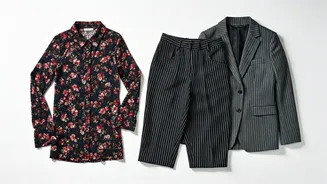
Another recurring fashion error involves overlooking the essentials. A well-curated wardrobe includes staple pieces that form the basis for various outfits. Not owning these basics often leads to difficulties in creating polished ensembles. Examples of indispensable items include a well-fitting pair of jeans, a crisp white shirt, a little black dress, and a tailored blazer. These pieces are versatile and can be combined in many ways. Ensure that you have high-quality versions of these staple items. Start with the basics and expand your wardrobe. Understanding the foundational pieces will help you build a stylish and functional wardrobe. If you don't have good basics, you might find yourself struggling to assemble outfits that work together cohesively. Investing in well-made, timeless basics is the first step toward a more stylish and organized closet.
Underestimating the Power of Shoes
Shoes often become an area where fashion blunders occur. The wrong footwear can ruin an entire outfit. Conversely, the right shoes can elevate any look. Wearing mismatched shoes, inappropriate styles, or ill-maintained shoes is a common mistake. For example, pairing running shoes with a formal dress or wearing scuffed, worn-out shoes can detract from an otherwise well-put-together look. Consider the occasion, outfit, and weather when selecting shoes. Invest in quality shoes that fit well and are suitable for different events. Always clean and maintain your shoes. Proper shoe care keeps them in good condition, and they always make the outfit better. Having a variety of shoes, including dress shoes, casual options, and active footwear, will broaden your styling possibilities. Pay attention to how the shoes complement the overall silhouette and color scheme.
Neglecting Proper Care
Many fashion blunders stem from a failure to properly care for clothing. Neglecting to iron, clean, or store garments correctly can lead to a less-than-desirable appearance. Wearing wrinkled clothes or items with stains immediately diminishes the look. For example, a crisp white shirt that looks rumpled is a serious style infraction. Always read and follow care instructions on the labels of your clothing to avoid damage. Invest in an iron or steamer to remove wrinkles from your garments. Regularly wash or dry clean your clothes and treat any stains immediately. Proper storage is also important; hang delicate items or store them in breathable garment bags. Regular maintenance helps preserve the quality of your clothing. Ensure that your clothes are always in good condition to make you look presentable and confident.