



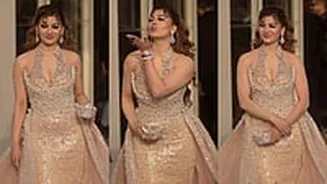

Floral Enchantment Reigns
In a delightful shift away from abstract patterns and geometric designs, a resurgence of delicate floral motifs is captivating fashion enthusiasts. This
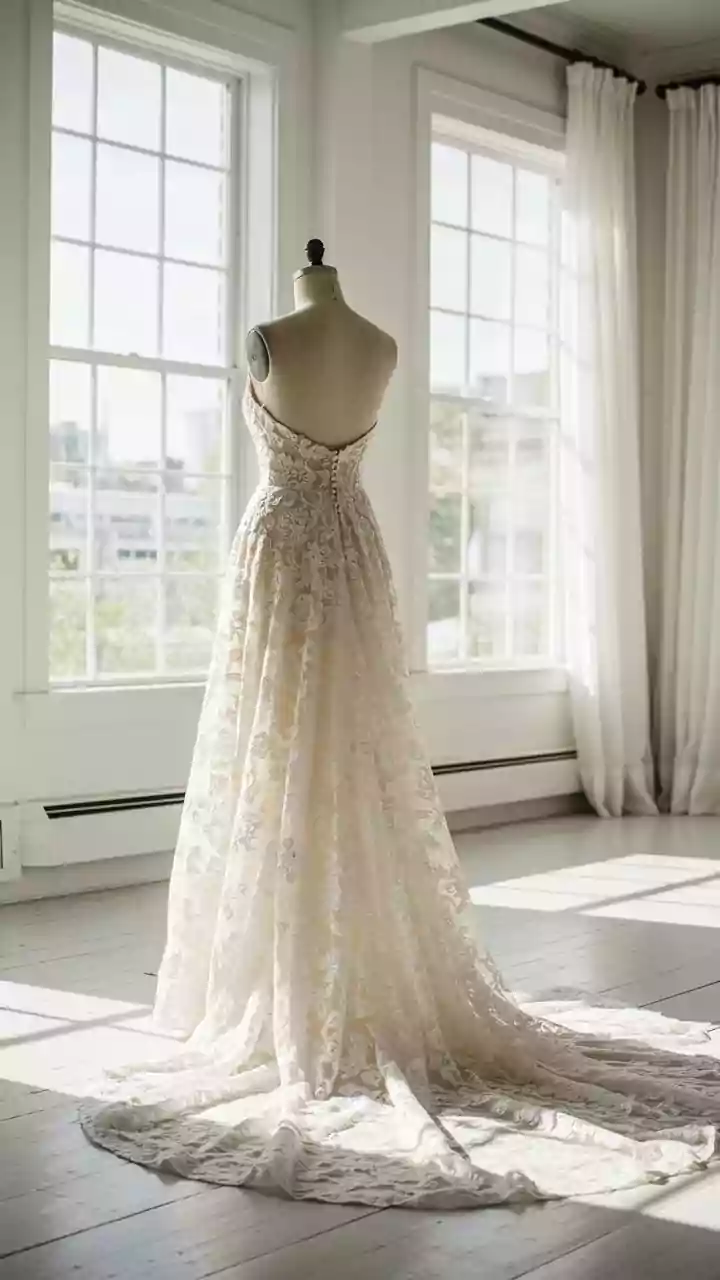
embrace of soft romance in embroidery brings a timeless elegance to garments, reviving an appreciation for nature-inspired artistry. The intricate stitching of petals, leaves, and vines, often rendered in subtle hues, adds a layer of sophisticated charm that transcends fleeting trends, making floral embroidery a celebrated choice for those seeking a graceful and feminine aesthetic. This trend signifies a broader movement towards more gentle and organic aesthetics in high fashion.
Zardozi: Regal Opulence
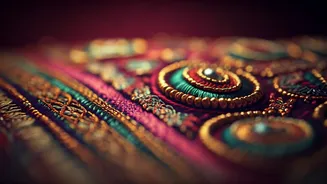
Dating back over three centuries, Zardozi stands as a testament to India's regal fashion heritage. This opulent embroidery technique involves the meticulous use of metallic gold and silver threads, interwoven with lustrous pearls and semi-precious gemstones. The result is a breathtaking display of richness and grandeur, often adorning ceremonial attire and haute couture. Zardozi work not only signifies wealth and status but also embodies a deep connection to historical craftsmanship, where each stitch tells a story of royal patronage and artistic mastery. Its enduring appeal lies in its ability to transform fabric into a canvas of pure luxury.
Chikankari: Subtle Grace
Originating from the royal courts of Lucknow, Chikankari embroidery embodies understated elegance. Traditionally executed on lightweight fabrics like mulmul, cotton, and georgette, this delicate white-on-white or tone-on-tone stitchwork features intricate motifs such as paisleys, floral vines, and tiny buds. Chikankari seamlessly transitions from royal attire to everyday wear, offering a breathable and sophisticated aesthetic. Its subtle beauty lies in the fine craftsmanship and the airy feel of the embroidery, making it a beloved choice for those who appreciate refined simplicity and comfort without compromising on style.
Mirror Work's Sparkle
Shisha embroidery, or mirror work, injects a captivating sparkle into textiles, offering a distinctive charm that eschews the flashiness of sequins. Small, polished mirror pieces are intricately stitched onto fabric, reflecting light and adding a subtle shimmer. This technique carries a rich heritage, originating from desert regions, and provides a unique textural element that enhances the visual appeal of garments. The balance between traditional craftsmanship and modern design makes mirror work a versatile embellishment, lending an artisanal glow without appearing ostentatious, thereby adding a touch of heritage-infused brilliance.
Gota Patti's Festive Comeback
A significant trend emerging in 2026 is the widespread adoption of Gota Patti work beyond traditional heavy wedding wear. This vibrant appliqué technique, which uses ribbon-like pieces of zari or metallic fabric stitched onto the material, is now gracing contemporary kurtas and chic co-ord sets. Gota Patti's transformation from ceremonial attire to modern fashion staples highlights its adaptability and enduring appeal. The technique adds a festive yet sophisticated edge to garments, proving that traditional crafts can seamlessly integrate into contemporary wardrobes, offering a touch of celebratory glamour for everyday occasions.
Aari Work: Detailed Precision
Tracing its roots to the Mughal era, Aari embroidery is characterized by its incredibly detailed micro-embellishments. This technique, often executed with a specialized hook, allows for the creation of intricate patterns and delicate textures that elevate luxurious fabrics such as silk and velvet. The precision involved in Aari work results in a refined finish, adding depth and dimension to the material. It's a craft that exemplifies patience and skill, turning ordinary fabrics into extraordinary pieces of art through meticulous attention to every stitch and embellishment, making it a hallmark of high-end craftsmanship.
Phulkari: Threads of Story
Emerging from Punjab, Phulkari embroidery stands out as one of India's most visually striking and narrative crafts. Its vibrant geometric motifs are created without pre-drawn patterns, with artisans embroidering from the reverse side of the fabric. This method imbues the work with a unique texture and depth, as the patterns emerge organically. Phulkari is more than just decoration; it is a form of storytelling woven into fabric, reflecting the culture, traditions, and emotions of the communities that practice it. The bold colors and intricate designs make it a powerful expression of heritage and artistry.
Global Threads Connect
For generations, the intricate hand embroidery from India has been a silent yet crucial component of global luxury fashion, gracing runways in iconic fashion capitals like Paris and Milan. Today, a growing movement towards acknowledging and crediting these artisanal collaborations is finally shedding light on the profound influence Indian craftsmanship holds over international design. This recognition ensures that the skilled artisans behind these exquisite embellishments receive the appreciation and recognition they deserve, fostering a more equitable and respectful relationship between traditional craft and contemporary fashion.