
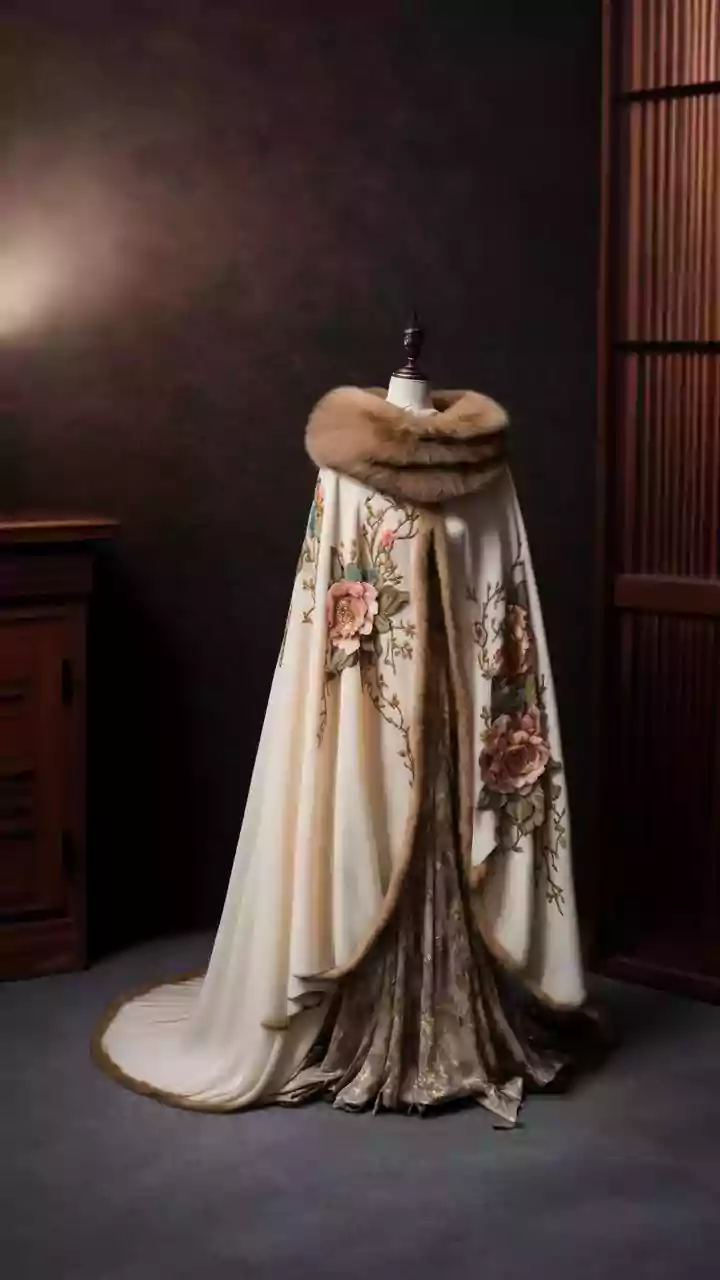



Current Fashion Trends
Fashion is a dynamic field, with new trends emerging constantly. One of the prevailing trends is the resurgence of vintage styles, with many designers
and brands drawing inspiration from previous decades. The 1970s continue to influence the fashion world, and include wide-leg trousers, flared sleeves, and bold prints. This trend's popularity can be attributed to the comfort and versatility it offers. Another significant trend is sustainable fashion. Consumers have become increasingly aware of the environmental and social impacts of the fashion industry, leading to a rise in demand for eco-friendly clothing and ethical production practices. Brands are responding by using sustainable materials, promoting fair labor practices, and reducing waste. Furthermore, athleisure continues to be strong, integrating athletic-inspired pieces into everyday wardrobes. This trend reflects a broader cultural shift towards comfortable and practical clothing options, with athletic wear transitioning from the gym to daily life.
Sources of Style Inspiration
Where do people get their fashion ideas? The answer is varied. Celebrities continue to significantly influence fashion trends, and their choices often set the stage for what’s fashionable. Social media is an essential platform for style inspiration, with influencers, bloggers, and content creators sharing their fashion insights. Fashion weeks, which happen in major cities like Paris, Milan, and New York, showcase the designs that will soon be available in stores. Street style, with individuals in urban settings, offers a look at fashion trends as they evolve. Additionally, art, travel, and historical periods spark creativity, inspiring new collections and styles. Keeping up-to-date with fashion magazines and websites is another way to discover the latest trends, allowing fashion enthusiasts to stay informed and inspired.
Fashion's Societal Impact
Fashion has a substantial effect on society, extending beyond the clothes people wear. Fashion plays a role in defining cultural identity, reflecting the values and aesthetics of a society. Fashion also drives economic growth, with the industry generating employment. Furthermore, it influences self-expression, allowing people to showcase their individuality through their attire. Fashion can also be a form of activism, with social movements using clothing to raise awareness and support their causes. The choices made by individuals, the way they wear clothes, and the messages they send, all have a role in the broader cultural conversation. The fashion industry faces the important challenge of addressing sustainability and ethical production. Embracing sustainable practices and promoting responsible consumption are crucial for mitigating the negative impact of the industry on the environment.
The Future of Fashion
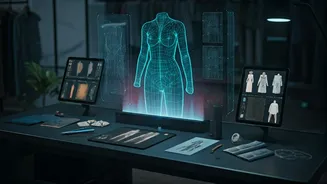
Looking ahead, the fashion industry is set to undergo significant changes. Technological advancements are expected to reshape the way clothes are designed, produced, and consumed. Artificial intelligence (AI) is already being used to analyze consumer behavior. Further, personalization is becoming increasingly essential. Customized clothing, made to fit individual preferences and body types, is on the rise. Sustainability will continue to be a crucial concern. Innovations in materials, production processes, and business models are expected to promote ethical and sustainable practices. The fashion industry is also embracing inclusivity, with a push for diversity in body types, skin tones, and cultural backgrounds. Technology, sustainability, personalization, and inclusivity are all key drivers of the industry's evolution.