





Sacred Beginnings
The story of the shirt collar unfurls in the 15th century, initially serving a humble, practical purpose within the strict confines of religious attire.
These early iterations were not decorative embellishments but rather functional additions designed to shield the neck from the abrasive textures of stiff ecclesiastical garments. Their primary role was to prevent discomfort and skin irritation, ensuring a modicum of ease for those devoted to their religious duties. This initial phase marked the collar as a safeguard, a subtle yet crucial element integrated for wearer comfort in an era where clothing was often less forgiving.
Renaissance Radiance
As centuries advanced into the opulent Renaissance period, the humble collar underwent a dramatic transformation, shedding its purely functional skin to become a resplendent emblem of social standing and affluence. What began as a protective band evolved into elaborate and ornate 'ruffs,' a significant fashion statement embraced by the aristocracy. These intricate neckpieces, often made from fine fabrics and meticulously pleated, were a testament to the wearer's wealth and social prestige. The collar had transitioned from a concealed comfort to a visible declaration of status, showcasing the era's penchant for grandiosity and visible displays of prosperity.
Framing the Face
Beyond its historical significance, the shirt collar plays a vital structural role in contemporary clothing design. It acts as a sophisticated framing device for the wearer's face, imbuing the entire garment with a sense of definition and polish. This structural integrity makes collared shirts particularly well-suited for more formal settings, providing a clean, sharp silhouette that conveys professionalism and attention to detail. The collar’s presence elevates a simple shirt into an ensemble capable of meeting the demands of professional environments and formal occasions, contributing significantly to the overall aesthetic appeal and perceived seriousness of the attire.
Weathering the Storm
Historically, the collar offered more than just aesthetic appeal; it provided practical defense against the elements. In earlier times, the neck was particularly vulnerable to the harshness of cold weather and the chafing potential of rough outer garments. A well-designed collar acted as a barrier, offering a degree of insulation and protection from wind and external friction. This dual functionality highlights how clothing evolved not only for appearance but also to enhance comfort and survivability in diverse environmental conditions, with the collar playing a key role in this protective layering.
Detachable Ingenuity
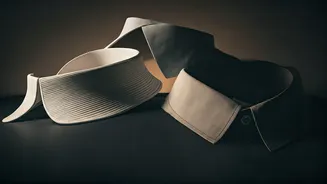
The 19th century introduced a remarkably practical innovation: the detachable collar. This ingenious design solved a significant laundry challenge of the era. Washing an entire shirt was a laborious and time-consuming process. By making the collar a separate, removable piece, individuals could easily detach it for cleaning. This meant only the collar needed frequent laundering, preserving the rest of the shirt and making garment maintenance far more efficient. This invention streamlined the upkeep of formal wear, making it more accessible and manageable for everyday use.
Modern Professionalism
In contemporary fashion, the collared shirt continues to be a powerful signifier of professionalism and formality. While fashion trends ebb and flow, the presence of a collar often elevates a shirt into a category associated with business attire and more formal social events. Conversely, the absence of a collar typically signals a more relaxed, casual aesthetic. This enduring association demonstrates how the shirt collar, despite its multifaceted history, remains a key element in communicating the intended context and level of formality of an outfit.