




Castor & Coconut Duo
Coconut oil is widely regarded as castor oil's perfect partner in hair care. Its lighter consistency allows it to spread more easily and aids castor oil in penetrating
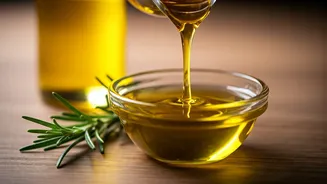
the hair shaft more effectively. This synergistic effect helps to strengthen hair strands, reduce breakage which is often mistaken for slow growth, and minimize protein loss. The key benefit of coconut oil lies in its molecular structure, enabling it to enter the hair shaft rather than just coating it. This combination is particularly beneficial for hair that feels dry, brittle, or has been damaged by heat styling, creating a smoother texture that is also easier to rinse out. A simple ratio of one part castor oil to two parts coconut oil yields a wonderfully smooth and manageable blend.
Almond Oil Softness
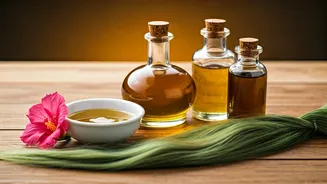
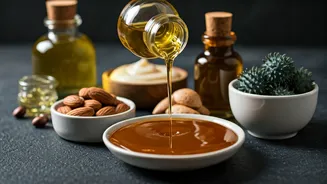
Often overlooked, almond oil is a cherished ingredient among beauty aficionados for its remarkable properties. This oil is lightweight, abundant in vitamin E, and exceptionally gentle on the scalp, having been a staple in traditional beauty practices for centuries to enhance hair nourishment and improve texture. When combined with the richness of castor oil, almond oil balances its thickness, transforming the blend into a silky, luxurious treatment rather than a heavy mask. This mixture is instrumental in reducing hair breakage, imparting a lovely softness and shine, and making hair significantly more manageable. It's an ideal solution for hair that tends to tangle easily or appears dull, and it serves as an excellent starting point for those new to oil blending.
Rosemary's Growth Boost
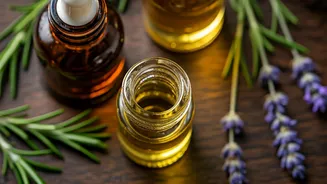
Rosemary oil presents an exciting prospect in hair care, backed by scientific research highlighting its potential to improve hair growth conditions. Clinical studies suggest that oil blends featuring rosemary can lead to increased hair density, improved thickness, and a reduction in hair fall over time. However, rosemary oil is potent and should never be used in its pure form. Instead, incorporating just a few drops of rosemary essential oil into a castor oil mixture is recommended. The castor oil provides essential moisture and protection, while the rosemary stimulates blood circulation around the hair follicles. This balanced approach creates a powerful, yet gentle, treatment, often described by beauty experts as the closest natural alternative to a therapeutic scalp treatment. Diligence is key; a few drops are sufficient, as excessive amounts do not enhance benefits and can be overwhelming.
Argan's Golden Touch
Frequently celebrated as 'liquid gold,' argan oil justifies its moniker with its impressive array of antioxidants and fatty acids. These components work synergistically to smooth the hair cuticle, bestowing strands with an immediate glossy and healthier appearance. While castor oil offers deep moisturization, argan oil contributes exquisite softness and desirable movement to the hair. Together, they achieve a salon-quality finish that rivals professional treatments, making hair feel nourished yet remarkably light. This blend is particularly advantageous for individuals struggling with frizz, those with colored or chemically treated hair, and anyone who dislikes the heavy, greasy sensation often associated with oiling routines. Additionally, it offers a more pleasant scent profile compared to pure castor oil.
Jojoba Scalp Harmony
Jojoba oil, interestingly, is technically a liquid wax rather than a true oil. Its molecular composition closely mirrors the natural sebum produced by the scalp, allowing it to be recognized and absorbed readily. When blended with castor oil, jojoba oil plays a crucial role in preventing product buildup and maintaining optimal scalp balance, ensuring it's neither excessively oily nor uncomfortably dry. This scalp health is foundational for robust hair growth; blocked or irritated follicles can hinder hair development irrespective of topical treatments. Jojoba oil assists in soothing itchy scalps, regulating excess oil production, and enhancing overall scalp comfort. It's an exceptionally beneficial combination for those experiencing oily roots alongside dry ends.
The Ritual of Oiling
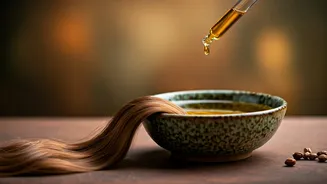
The practice of oiling hair offers a comforting ritual, encouraging a moment of mindful self-care. These time-honored traditions endure despite fleeting trends and the allure of expensive products. Castor oil functions most effectively not as a standalone miracle product, but as a potent base when complemented by other beneficial oils. This synergistic approach fosters a routine that gradually, naturally, and sustainably strengthens hair. Therefore, rather than using castor oil in isolation, blending it with appropriate oils enhances its efficacy. Consistent application, combined with a gentle massage, can lead to noticeable improvements over several weeks, resulting in stronger strands, a calmer scalp, and healthier-looking hair.
Correct Blending Ratios
A common misstep when using castor oil is applying it too liberally. Due to its dense nature, experts often advise using it as the minority component in any oil blend. A simple and effective ratio to follow is one tablespoon of castor oil combined with two tablespoons of a carrier oil such as coconut, almond, jojoba, or argan oil. For an added boost, 3–5 drops of rosemary oil can be incorporated. It's beneficial to warm the mixture slightly between your palms before application, as this not only aids in better spreadability but also enhances the relaxing experience during scalp massage.
Application & Results
Effective hair oiling extends beyond simply coating the hair strands; the true benefits are unlocked during the scalp massage. Utilizing fingertips, not nails, gently massage the scalp for approximately five minutes to stimulate blood circulation and ensure even oil distribution. Allow the oil to remain on the hair and scalp for a minimum of 30 minutes, though overnight application is also suitable for those whose scalps tolerate it well. Shampooing gently afterwards is essential, and a second wash may be necessary to thoroughly remove heavier oil blends. Performing this treatment two to three times a week is generally sufficient; exceeding this frequency can lead to product buildup rather than enhanced benefits.
Growth Myths Debunked
It's crucial to address a common misconception: no single oil possesses the ability to dramatically accelerate hair growth speed. Experts consistently affirm that castor oil, while beneficial, does not scientifically speed up the rate at which hair grows. Its primary contributions are enhanced hydration, reduced breakage, and protection of hair strands. These effects collectively contribute to hair appearing fuller and longer over time, which is a significant achievement. The reality is that most perceived 'slow growth' is actually due to damage and breakage, not a biological limitation on growth speed. Therefore, the path to visible hair growth is paved by maintaining a healthy scalp and strong strands.