








A New Way To Mango
As the Indian summer arrives, mangoes become a staple, but this year, a novel approach is blossoming: instead of just purchasing fruit, consumers can now
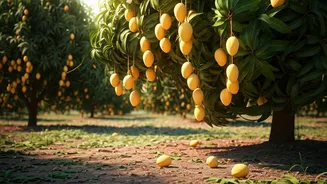
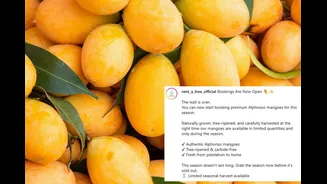
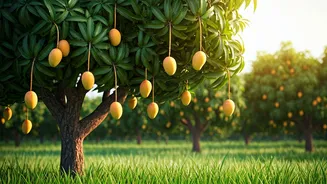
connect with an entire mango tree for the season. This exciting concept allows individuals to lease a tree from various orchards, promising a generous yield of up to 90 kilograms of delicious mangoes. It's a refreshing departure from the usual transactional buying experience, offering a more intimate connection to the source of this beloved fruit. The process is designed for ease, enabling people to select their preferred tree online and enjoy the bounty without any hassle.
Orchard to Home Delivery
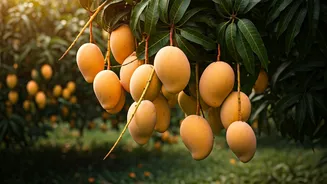
This unique mango-leasing service operates with a seamless farm-to-doorstep model. Partner orchards are situated in prime mango-growing belts across states like Maharashtra, Tamil Nadu, and Kerala. Farmers diligently manage every aspect of the tree's care, from cultivation to the final harvest, ensuring the mangoes ripen naturally on the branch. Once perfectly ripe, the fruit is carefully packed and delivered directly to the customer's residence. This end-to-end service means consumers can revel in the taste of freshly picked, home-grown mangoes without ever needing to set foot in an orchard.
Beyond the Fruit
The 'rent-a-mango-tree' initiative has sparked considerable interest, primarily due to its distinctive approach to fruit acquisition. It resonates with urban dwellers longing for a connection to agriculture, as one user aptly put it, the idea of 'owning' a mango tree in Kerala while residing in Mumbai feels like a unique status symbol. More profoundly, this concept is celebrated as an ingenious method to bridge the gap between city life and the natural world. It offers urban consumers access to authentic, seasonal produce while providing farmers with a dependable income stream, insulating them from unpredictable market price fluctuations. Such models hold the potential to safeguard local orchards and foster sustainable agricultural practices, fundamentally reshaping our understanding of food ownership and the farm-to-table supply chain.