






Masters of Rest
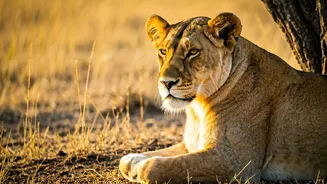
Contrary to their powerful hunting image, lions are remarkably indolent creatures, dedicating a significant portion of their day to rest. These magnificent
felines can spend up to 20 hours in a state of sleep or inactivity each day. This prolonged period of repose is a strategic conservation of energy, essential for their demanding activities like hunting formidable prey, engaging in territorial disputes, or defending their prides. During the sweltering heat of the afternoon, they typically seek refuge in shaded areas, minimizing any expenditure of energy and waiting for cooler temperatures to become active. This extreme sleeping pattern is a key survival tactic, ensuring they have maximum stamina when it truly matters.
The Huntresses
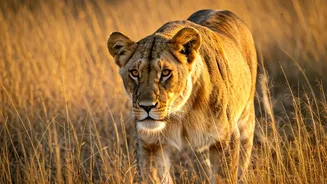
Despite the common perception, it is predominantly the female lions, the lionesses, who are the primary architects of the hunt within a pride. The male lion's impressive physique might suggest leadership in hunting, but the reality is that lionesses execute the majority of the successful hunts. They operate with remarkable coordination, forming tactical groups that stealthily encircle their intended prey before launching a swift and decisive attack. This sophisticated teamwork is a fundamental reason behind the lion's formidable reputation as an apex predator, showcasing their efficiency through collective effort rather than individual might.
Cubs' Grim Fate
One of the most unsettling aspects of lion behavior involves the grim reality of infanticide. When a new male lion assumes dominance over a pride, he frequently resorts to killing the cubs that were fathered by his predecessor. This brutal act is a survival mechanism rooted in the females' reproductive cycle; once cubs are no longer present, the lionesses tend to enter their breeding cycles sooner. This harsh but effective strategy ensures that the dominant male's genes are passed on, underscoring the ruthless nature of survival in the wild and a stark contrast to their more gentle social interactions.
Communal Nurturing
Within the complex social structure of a lion pride, an astonishingly nurturing dynamic unfolds as lionesses collectively raise their young. It is common practice for lionesses to share the responsibility of caring for each other's cubs. This communal approach extends even to feeding, where cubs may nurse from females who are not their biological mothers. This cooperative parenting significantly enhances the prospects of survival for the young lions in a challenging environment, fostering a strong sense of community and mutual support within the pride.
Voracious Appetites
Following a successful hunt, lions exhibit an astonishing capacity for consumption, rapidly devouring large quantities of meat. This haste is largely driven by the competitive environment they inhabit, where they must contend with formidable scavengers like hyenas for their kills. An adult lion possesses the ability to consume upwards of 30 kilograms of meat in a single feeding session. This immense intake is crucial for ensuring they secure enough sustenance before other predators can claim their hard-earned meal, showcasing their powerful and immediate drive for survival.
Mane Variations
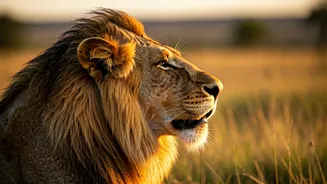
The iconic mane of a male lion, often seen as a symbol of virility and power, is not a uniform characteristic and can vary significantly. Factors such as age, genetic makeup, prevailing temperature, and overall health influence the appearance of a lion's mane. While some lions boast thick, dark manes, others may have a more sparse covering of hair around their neck. In warmer climates, shorter manes are more prevalent, as they offer a practical advantage by helping the lions regulate their body temperature and stay cooler, demonstrating an adaptation to their environment.
Social Big Cats
Unlike many other large cat species such as tigers or leopards, lions distinguish themselves by their highly social nature. They are one of the few big cats that thrive in group settings, living in cohesive units known as prides. These prides typically comprise multiple females, their offspring, and a small contingent of adult males. This intricate social organization is instrumental in their ability to effectively defend their territory against rivals and to collaborate on hunting larger, more challenging prey, highlighting the strength found in unity.