
Beyond the Runway
Fashion shows in Paris are no longer solely defined by the traditional runway experience. The fashion industry has shown an increasing inclination toward
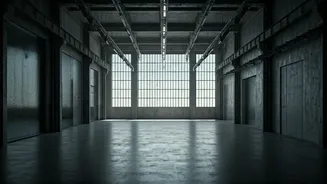
unusual locations, signaling a departure from the established norms. This transition involves choosing venues like historical landmarks, art galleries, and even outdoor spaces. The shift is not simply a change of scenery; it's a deliberate choice to recontextualize fashion. Designers are strategically utilizing these unique locations to enhance the narratives presented by their collections. Venues now complement the clothes themselves, creating a complete aesthetic and immersive experience that extends beyond mere display. These choices create an environment conducive to storytelling, allowing designers to convey their vision more fully and capture the attention of a broader audience in innovative ways.
Historical Echoes
The use of historical locations, such as museums and ancient buildings, has become a standout trend. These sites offer a rich backdrop filled with history and architectural grandeur, creating a contrast between the past and the present. When shows are hosted in historical spaces, the collections gain another layer of meaning. The surroundings can add a sense of timelessness or heritage, which resonates with the designers' ethos. For instance, holding a show within a museum can directly connect fashion to art and culture. This blending not only enhances the visual experience but also strengthens the narrative through which the collection is presented. The location effectively becomes an integral part of the show, amplifying the overall message and ensuring it's remembered long after the event has concluded.
Artistic Collaboration
Another prominent trend involves using art galleries and unconventional spaces to showcase fashion. These venues offer a contemporary environment that aligns with modern art. Hosting shows in art galleries permits the fusion of fashion with visual arts, appealing to a variety of audiences. The setting helps shape the collection's overall tone. The art pieces and gallery environment can complement the clothing, creating a dialogue that goes beyond apparel. This collaborative approach leads to a more engaging and thought-provoking show. The atmosphere encourages attendees to view fashion as an art form, fostering a deeper appreciation for the creativity and craftsmanship involved. Designers also have the chance to associate with a specific artistic movement, enriching the context of their creations.
Open-Air Inspiration
Outdoor spaces also have become increasingly popular, particularly in warmer months. The use of parks, gardens, and urban settings provides a breath of fresh air and connects fashion with the city's environment. An outdoor setting offers a sense of spontaneity and informality, moving away from the exclusivity sometimes associated with traditional runway shows. It broadens the audience appeal and makes fashion more accessible. The natural light and surroundings offer a different perspective on the clothing, highlighting the design in varied ways. This approach allows designers to create memorable experiences, making fashion shows more approachable and attractive to wider demographics. The outdoor atmosphere can create a relaxed setting, encouraging a more direct connection with the audience.
Impact and Perception
The choice of location greatly influences how collections are perceived. Unconventional venues provide a distinct backdrop that can significantly alter the atmosphere and story of the show. The impact of the venue on the audience experience cannot be overstated. From enhancing the visual aesthetics to creating a sense of immersion, the location is a crucial aspect of overall success. These unusual locations contribute to the narrative, enhancing the message. The ability to surprise and enchant the viewers is a major aspect of contemporary fashion shows. By choosing locations that are unexpected, designers show a commitment to innovation, setting themselves apart and attracting attention. This focus on the setting creates a more lasting impression, making the fashion show an event that is unforgettable.
Future Trends
As the fashion industry continues to evolve, the trend of using unusual venues will likely persist and expand. This is a reflection of the creative freedom designers have, and their desire to engage in unconventional ways. We can anticipate more imaginative locations being used as designers keep pushing boundaries. These developments can transform how fashion shows are designed and experienced. Technology will possibly play a greater role, making the shows even more immersive. The goal of fashion is to connect with broader audiences, making it a cultural phenomenon. This transformation is not just a trend but a fundamental shift towards a more experiential and inclusive approach to fashion. The future of fashion shows looks exciting, with venues that match the creativity on display.