

The Revival of Silhouettes
Fashion in 2026 is poised for a dynamic interplay of classic and contemporary elements, with silhouettes taking center stage. The resurgence of tailored
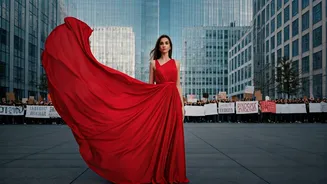
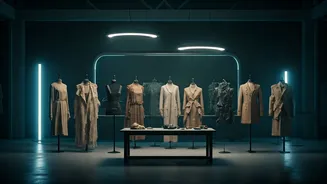
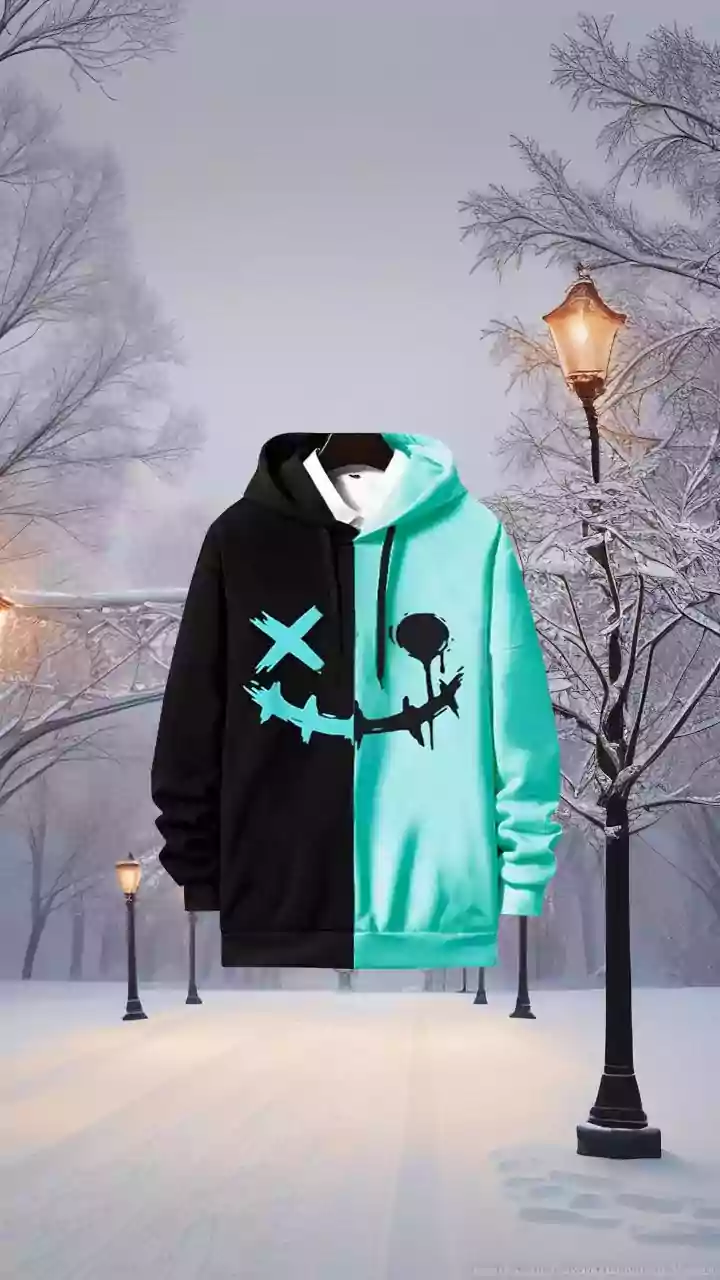
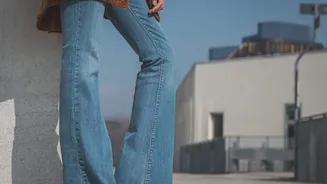
pieces is expected, with a focus on sharp lines and structured tailoring. This includes a return to power dressing, albeit with a modern twist, incorporating softer fabrics and innovative construction techniques. Alongside this, oversized and relaxed silhouettes will continue to thrive, particularly in casual wear. Think flowing maxi dresses, wide-leg trousers, and boxy jackets, promoting comfort and versatility. Furthermore, the influence of past decades will be evident, with touches of the 1970s and 1990s styles resurfacing, adapted for a contemporary audience. This blend of structured and relaxed forms will be a defining characteristic of the year's fashion trends.
Materials and Textiles
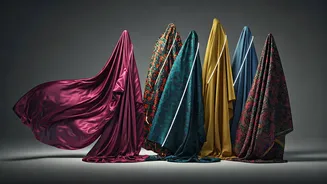
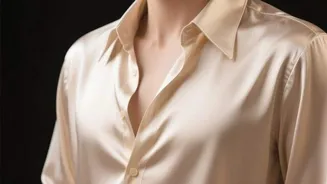
The fashion industry in 2026 is witnessing a surge in eco-conscious materials and innovative textiles. Sustainable fabrics like organic cotton, recycled polyester, and plant-based alternatives will be increasingly prominent. Designers are expected to prioritize transparency in their supply chains, highlighting the origin and production processes of their materials. Alongside this, technological advancements will lead to the introduction of smart textiles with integrated functionalities. Fabrics that can monitor body temperature, change color, or provide health data may become more common. Furthermore, the use of unique textures and surface treatments will add depth and visual interest to garments. This could include embossed patterns, 3D printing, and innovative dyeing techniques to create a sensory experience. The emphasis on both sustainability and technological innovation will define the materials landscape in 2026.
Cultural Influences on Style
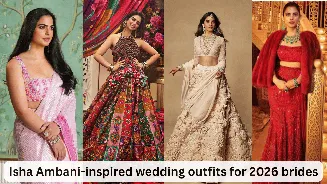
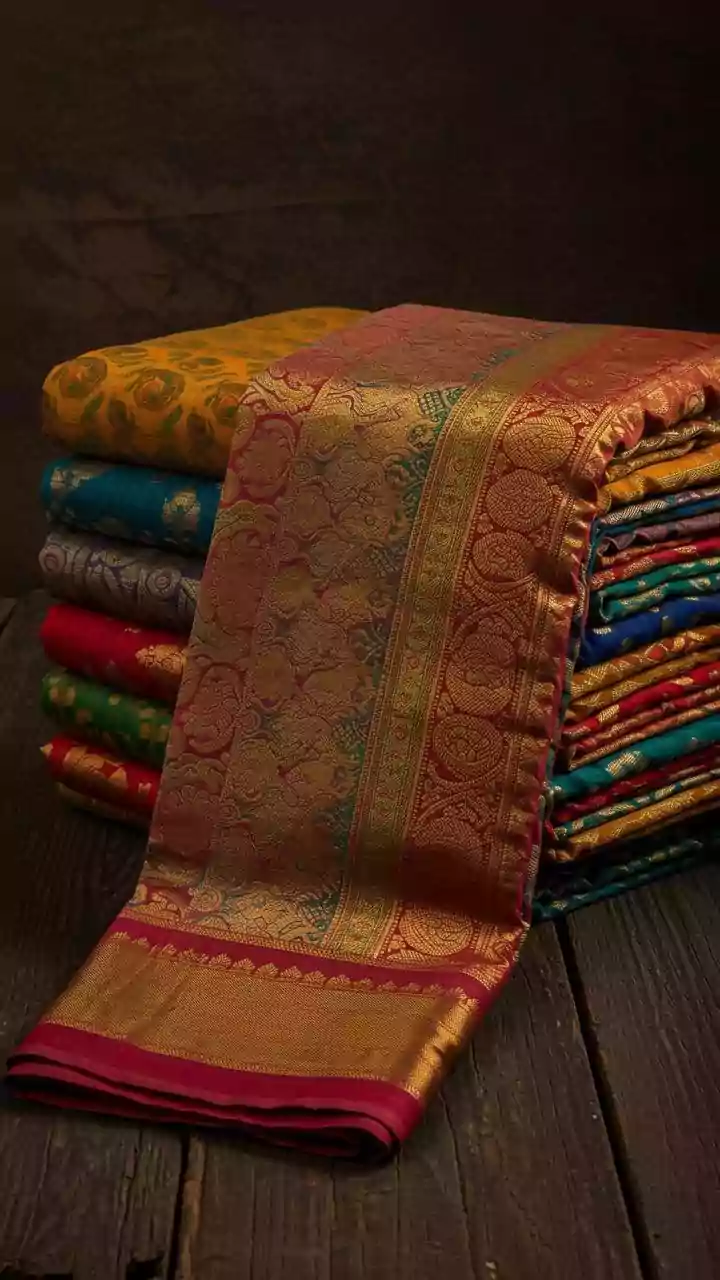
Fashion in 2026 is expected to be deeply influenced by global culture, with a strong emphasis on inclusivity and diversity. Designers will increasingly draw inspiration from a wide range of cultures, promoting the fusion of traditional and modern styles. This includes incorporating ethnic prints, patterns, and silhouettes into contemporary designs. Moreover, the rise of digital culture and social media will continue to shape fashion trends, with platforms like Instagram and TikTok influencing consumer preferences and driving rapid trend cycles. Collaborations between fashion houses and influencers will remain a powerful force, fostering engagement and setting trends. Furthermore, the emphasis on self-expression and individualism will empower consumers to curate their style, resulting in a more diverse and personalized fashion landscape. This convergence of cultural influences and digital platforms will be a defining aspect of fashion in 2026.
Accessories and Accents
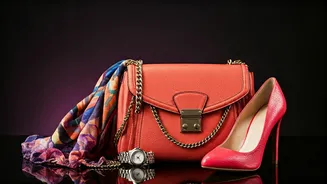
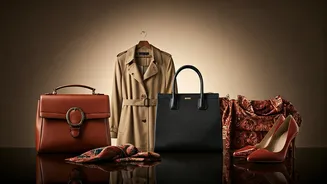
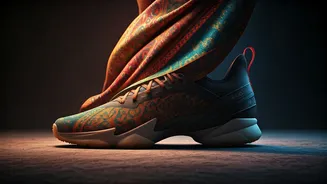
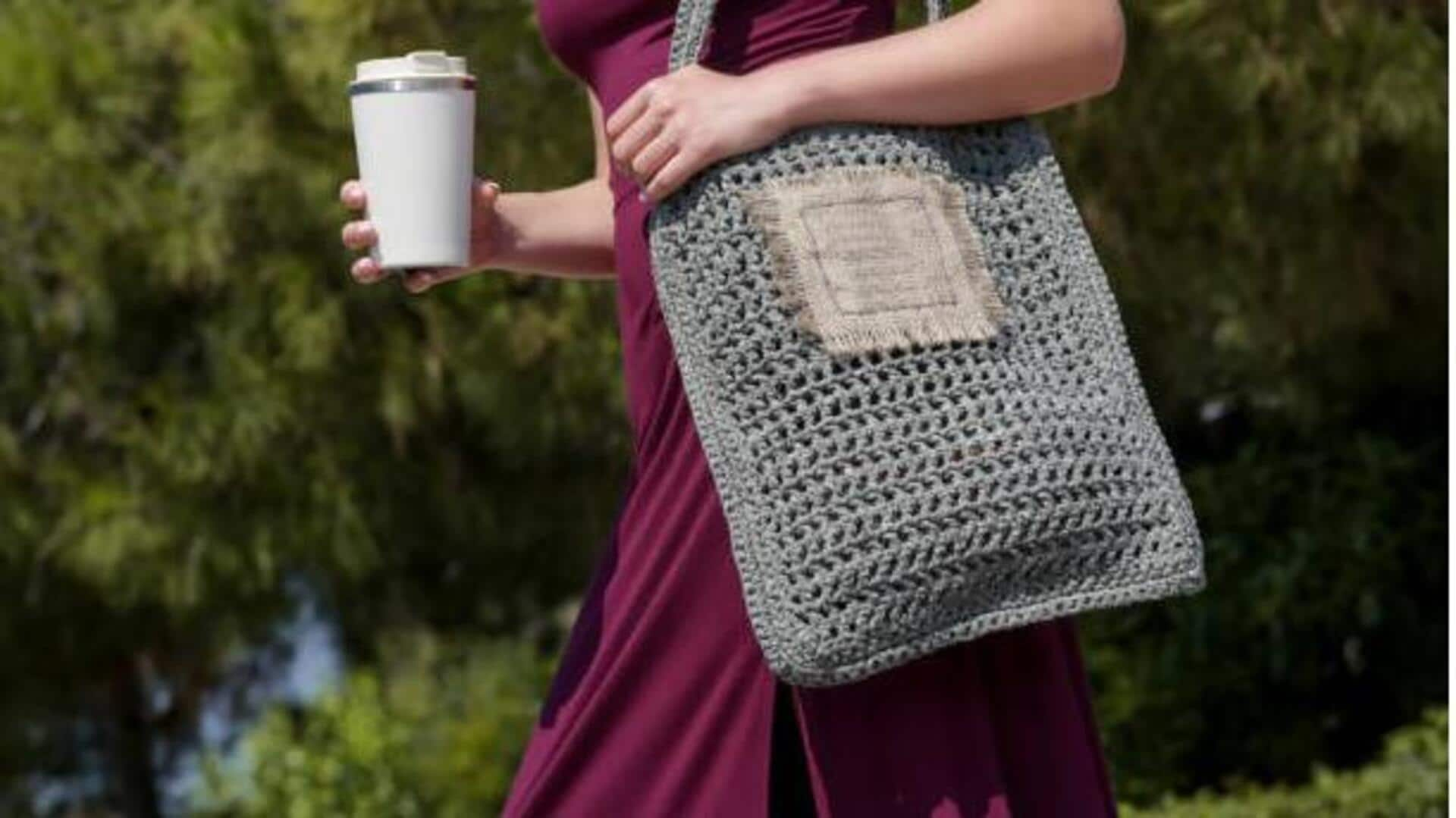
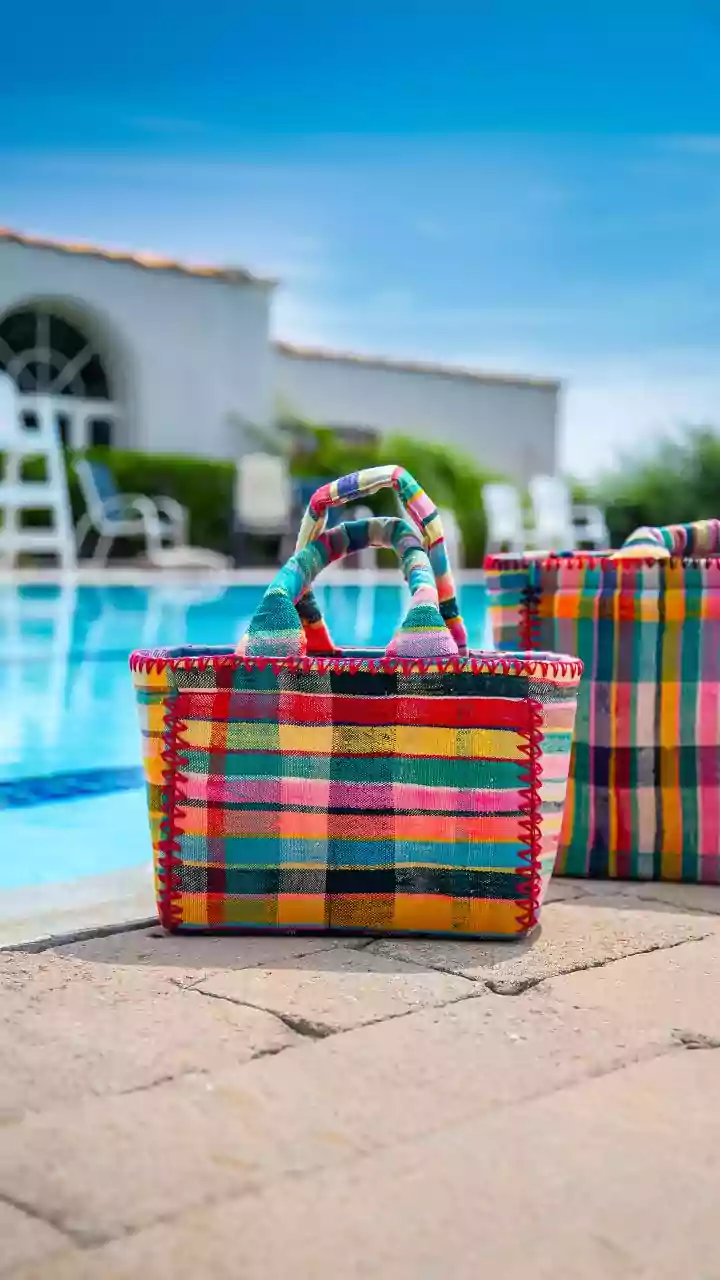
Accessories will play a crucial role in completing and elevating looks in 2026. Statement jewelry, including bold necklaces, earrings, and rings, will remain a popular trend, allowing for personal expression. Bags will continue to evolve, with structured silhouettes and innovative designs gaining prominence. Expect to see a focus on functionality, with practical crossbody bags and versatile tote bags becoming essentials. Footwear will encompass a range of styles, from chunky boots and sneakers to elegant heels. Comfort will be key, with a focus on supportive designs and sustainable materials. The trend for unique details will extend to belts, scarves, and other accents. Think of intricate embroidery, embellishments, and unexpected color combinations to create eye-catching focal points. These accessories will offer individuals a space to experiment and showcase their style in 2026.
Sustainability and Ethics
In 2026, sustainability and ethical practices will remain critical drivers of the fashion industry. Consumers are expected to prioritize brands that embrace transparency and demonstrate environmental responsibility. The focus will be on reducing waste, promoting circular fashion, and minimizing the environmental impact of production processes. This includes adopting innovative manufacturing techniques, using eco-friendly dyes, and implementing closed-loop systems. Furthermore, the resale and rental markets will continue to grow, providing consumers with alternative ways to acquire clothing and accessories. Secondhand shopping and clothing swaps will become even more popular, reducing the demand for new items. Brands will also face increasing pressure to address labor rights and ensure fair working conditions throughout their supply chains. This commitment to sustainability and ethics will be a major differentiator for brands in 2026.