







Frequent Water Intake
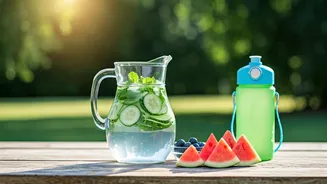
The most direct approach to combating dehydration in children during hot weather is to consistently encourage them to drink water. Youngsters often become
engrossed in play or activities, neglecting their body's signals for thirst. Parents must take an active role in reminding children to sip water regularly, rather than waiting for the sensation of thirst to arise. Equipping them with a water bottle to carry to school or during any outdoor excursions is a practical step. Consistent hydration is crucial for maintaining stable body temperature, preventing fatigue, and avoiding dizziness that can arise from heat exposure.
Water-Rich Foods
Supplementing water intake with foods naturally high in water content is a delicious and nutritious way to keep children hydrated. Fruits like watermelon, oranges, and muskmelon, along with vegetables such as cucumber, are excellent choices as they are packed with both water and essential nutrients needed during warmer months. Since children generally enjoy fruits, incorporating them into meals and snacks is an effective strategy. Preparing refreshing salads and smoothies also contributes significantly to maintaining hydration levels and helping the body feel cooler.
Avoid Sugary Drinks
While fizzy drinks and cold beverages might seem appealing to children during summer, they are not beneficial for hydration. These drinks, despite offering a temporary cooling sensation, can paradoxically lead to dehydration in the long run due to their high sugar content. Parents should steer clear of offering these options and instead present healthier alternatives like natural fruit juices and buttermilk. These beverages not only quench thirst but also replenish the body with vital nutrients required to cope with the heat.
Light, Breathable Clothing
The choice of clothing plays a significant role in a child's ability to regulate body temperature during hot weather. Opting for light-colored attire made from breathable fabrics helps keep the body cool, thereby reducing excessive sweating and subsequent water loss. Conversely, dressing children in dark-colored clothing can absorb more heat, leading to increased perspiration. Ensuring children wear appropriate, light clothing is a simple yet effective measure to minimize heat-related discomfort and dehydration.
Smart Outdoor Planning
Outdoor play is vital for children's well-being, but it requires careful planning during periods of extreme heat. It's advisable to schedule outdoor activities for the cooler parts of the day, such as early mornings or late evenings, rather than during the peak sun hours of the afternoon. When children are playing outside, it's imperative to ensure they take regular breaks for hydration and provide them with opportunities to drink water. Wearing hats or caps can also offer essential protection against direct sun exposure.