







Fear of Potassium
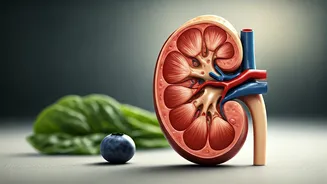
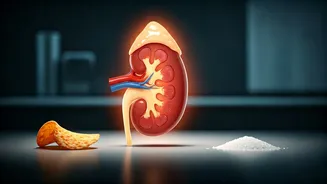
A prevalent misconception in kidney care is the blanket avoidance of potassium-rich vegetables and fruits like bananas, potatoes, spinach, and tomatoes.
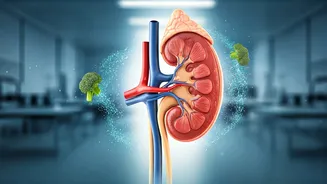
While certain kidney conditions necessitate potassium restriction, indiscriminately cutting these foods can be detrimental when potassium levels are normal. This practice deprives the body of essential nutrients such as fiber, magnesium, folate, and vital antioxidants. These nutrients play a crucial role in maintaining healthy blood pressure, supporting gut health, and promoting overall cardiovascular well-being, all of which are intrinsically linked to kidney function. For individuals with healthy kidneys, these nutrient-dense vegetables are not a threat but rather protective elements that contribute to a robust internal environment.
Plant-Based Misconceptions
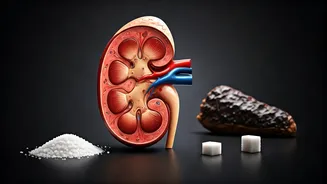
The label 'plant-based' is often mistakenly equated with being inherently kidney-friendly, leading to the consumption of ultra-processed alternatives. Products like vegan cheeses, mock meats, and various packaged snacks, despite their plant origins, can be laden with harmful ingredients. These processed items frequently contain high levels of sodium, phosphorus additives, and artificial preservatives. Elevated sodium intake can exacerbate hypertension and proteinuria, while excessive phosphorus additives can place an undue burden on the kidneys even before detectable changes appear in medical reports. Therefore, it's crucial to understand that 'plant-based' does not automatically guarantee kidney safety, especially when the food originates from industrial processing rather than whole, natural sources.
High-Protein Pitfalls
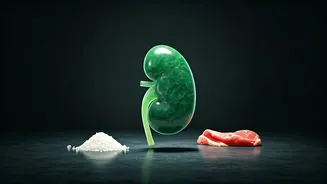
The popularity of high-protein diets necessitates a cautious approach, particularly for those with underlying kidney concerns. While a protein intake of 1.0–1.2g/kg body weight is generally considered safe and beneficial for individuals with healthy kidneys, aggressive protein supplementation, often through powders, supplements, and excessive consumption of red meat, can pose significant risks. For individuals with undiagnosed or existing chronic kidney disease, a high protein load can intensify the workload on the kidneys, increasing glomerular pressure. This heightened pressure can inadvertently accelerate the progression of kidney damage in vulnerable individuals, making it imperative to assess kidney health before embarking on such dietary regimens.
Meal Skipping's Impact
When faced with the complexity of managing a health condition, skipping meals might appear as a simpler solution. However, this habit can trigger a cascade of negative health consequences that indirectly affect kidney function. Frequent meal skipping often leads to dehydration, which reduces blood flow to the kidneys, and can cause episodes of low blood pressure. Furthermore, it contributes to muscle breakdown and can destabilize blood sugar levels. Both dehydration and fluctuating blood pressure are significant risk factors for kidney health deterioration. Maintaining a consistent pattern of regular, balanced meals is essential for ensuring stable kidney perfusion and optimizing metabolic processes.
Dietary Guidance Nuances
Many individuals expect their healthcare provider to furnish a precise, prescriptive diet chart for kidney health. However, the reality of kidney nutrition is far more individualized and dynamic. Effective kidney diet management is not a one-size-fits-all approach; it is intricately linked to a person's specific laboratory results, current medications, and the stage of their kidney disease. Relying solely on generic dietary guidelines can result in unnecessary food restrictions, potential nutritional deficiencies, or overlooking critical health indicators. True kidney health management involves a collaborative partnership between the patient and their healthcare team, rather than a passive reception of a fixed diet plan.