
Defining Personal Style
Understanding your personal style is the first and arguably most crucial step toward cultivating a wardrobe that truly reflects you. It's about recognizing
what makes you feel comfortable, confident, and most like yourself. Begin by identifying what you admire in others' clothing and exploring different fashion genres, such as classic, bohemian, minimalist, or edgy styles. Look into your current closet; note down what you regularly reach for and what you avoid, noting how the items make you feel. Creating a mood board with clothing images, colors, and textures can significantly help in visualizing your aesthetic preferences. This self-assessment sets the stage for making informed decisions, making shopping less of a task and more of a creative journey.
Building a Foundation
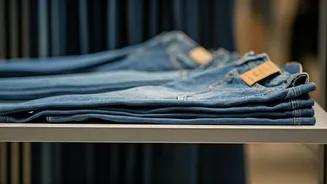
A well-curated wardrobe begins with essentials. These are the versatile pieces that form the building blocks of numerous outfits. Invest in quality basics that can withstand trends and repeated use: think a well-fitting pair of dark-wash jeans, a crisp white shirt, a classic black blazer, and neutral-colored sweaters. Consider the importance of having versatile shoes such as a pair of white sneakers, black heels or ankle boots, and comfortable flats. Accessories are crucial for boosting your wardrobe. A statement necklace, a classic watch, or a stylish handbag can completely transform a simple outfit. When choosing foundational pieces, remember that fit and quality are paramount. Taking the time to select well-made items that flatter your physique will maximize the value of your wardrobe.
Dressing for Work
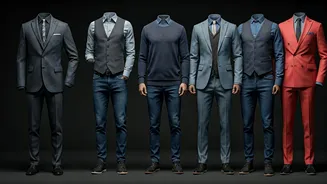
The workplace requires a wardrobe that balances professionalism and personality. The specifics of workplace attire vary depending on the industry and company culture. Generally, aiming for a polished look is ideal. For office environments with a more formal dress code, consider tailored pantsuits, pencil skirts with blouses, and blazers. When choosing colors, stick to neutrals such as black, navy, gray, and white, incorporating pops of color through accessories. For more casual workplaces, it’s still important to present a professional image. Dark-wash jeans can often be acceptable when paired with a blouse or sweater. Clean, well-maintained clothing and well-chosen footwear remain key. No matter the workplace, clothing should be clean, ironed, and in good condition to reflect your professionalism.
Casual Outing Style
Dressing for casual outings allows a greater freedom to express individual style and personality, providing opportunities to explore various trends and aesthetics. The focus should be on comfort, while still looking put-together. Jeans, t-shirts, and casual tops form the foundations here. Layering is a good idea; throw a jacket or cardigan over a t-shirt for some flexibility. Choosing the right shoes for the occasion is important. For a relaxed look, opt for sneakers, sandals, or flats. Accessories should complement the outfit without being overpowering. Consider a crossbody bag, a casual watch, and simple jewelry. It's about finding the balance between looking stylish and feeling relaxed. Confidence is a must; own the look and wear it with pride, no matter the specific garment choices.
Formal Event Dressing
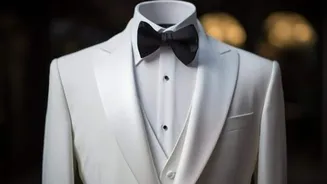
Formal events require a step up in elegance and sophistication. The dress code provides specific guidance, so always adhere to stated guidelines. For formal events, a well-chosen cocktail dress, a floor-length gown, or a tailored suit is usually required. Pay attention to the fabric and fit, choosing materials like silk, satin, or velvet that fall well. Opt for classic silhouettes that flatter your figure. Accessories can make or break the outfit. Statement jewelry, a stylish clutch, and elegant heels enhance the overall look. Take into account elements of grooming, which is equally important. Ensure hair and makeup are polished. When in doubt, it is generally better to be slightly overdressed than underdressed. Confidence remains key, and your goal is to showcase respect for the event and look your best.
Color and Patterns
Mastering color and pattern is a cornerstone of style. Understanding color theory can dramatically improve your fashion sense. Start with neutral colors—black, white, navy, and gray—which are highly versatile and easy to combine. Experiment with colors that complement your skin tone. Consider how different hues can impact your look: brighter shades can make a statement, while pastels create a softer effect. Patterns add visual interest. Consider stripes, florals, and geometric prints, but do not go overboard. When combining patterns, select one primary pattern and then choose a secondary pattern that coordinates, maintaining balance. Use accessories to add splashes of color or pattern to an otherwise neutral outfit. Always keep in mind the overall aesthetic and aim for harmony.
The Importance of Fit
Fit is essential when building a stylish wardrobe. Ill-fitting clothes, regardless of how fashionable they are, can undermine your whole look. Make sure your clothes fit your body correctly. If an item doesn't fit, consider tailoring. Clothes that are too tight can make you uncomfortable, while garments that are too loose can make you look sloppy. Ensure that shoulders of jackets align with your shoulders, and sleeves sit at the right length. Pants should be the appropriate length for your shoes, whether you choose to wear flats or heels. Pay attention to the waist and hip measurements. The correct fit enhances your figure, elevates your confidence, and makes you more comfortable in your clothing. Do not underestimate the power of finding the perfect fit for a polished look.
Seasonal Considerations
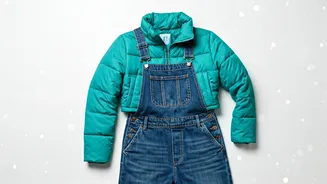
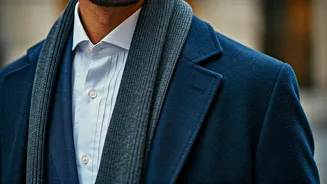
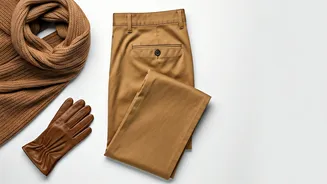
Adapting your wardrobe to seasonal changes is key to both comfort and style. In warm weather, opt for breathable fabrics such as cotton, linen, and silk. Lighter colors reflect sunlight and keep you cooler, while loose-fitting clothing will enhance breathability. When cold weather comes, layer your clothing with wool, cashmere, and other insulating fabrics. Heavier coats, scarves, gloves, and boots become essential. Adapt clothing choices to weather conditions, incorporating waterproof outerwear and appropriate footwear as needed. Consider seasonal color palettes. Choose warm and rich colors for the autumn and winter months, and refresh with light, bright, and pastel shades when spring and summer roll around. Adapt the materials of accessories as well, changing the feel of outfits.