






Defining 'Office Air'
The concept of 'office air' has gained significant traction online, particularly on platforms like TikTok and Instagram. It describes the common experience
of appearing noticeably less vibrant, more fatigued, and dehydrated by the end of the workday compared to how one looked upon arrival. This phenomenon is characterized by skin feeling tight yet oily, hair losing its volume and shine, and an overall diminished sense of freshness. While initially appearing as a dramatization of corporate life, this trend taps into a widely shared sentiment among office workers who observe this daily transformation in their appearance. The term serves as a cultural shorthand for the cumulative effects of indoor work environments on one's physical presentation.
Environmental Culprits Inside
The 'office air' effect isn't attributed to a singular cause but rather a combination of prevalent indoor workplace conditions. Chief among these is the constant exposure to air conditioning, which often leads to significantly reduced humidity levels. This dry environment accelerates moisture evaporation from the skin, resulting in dehydration and potentially weakening the skin's natural barrier. This moisture loss can manifest as skin feeling taut, sensitive, and appearing dull. Interestingly, the scalp might overcompensate for this dryness by producing excess oil, explaining why hair can become greasy even in a cool, air-conditioned setting. Beyond temperature control, other factors like recycled indoor air and prolonged exposure to artificial lighting also contribute to this feeling of looking worn out.
Beyond the Office Walls
While the indoor office environment plays a role, attributing the entire 'office air' effect solely to it would be an oversimplification. External factors and personal lifestyle choices significantly influence how one's skin and hair fare throughout the day. For individuals residing in polluted urban areas, their skin is already contending with environmental stressors like dust and smog before even entering the workplace. The jarring transition from warm, humid outdoor conditions into a cold, dry office can shock the skin, exacerbating dehydration. Furthermore, the cumulative impact of daily stress, insufficient sleep, excessive caffeine intake, infrequent hydration breaks, and prolonged screen time all contribute to a tired appearance that becomes more evident as the day progresses. Even the quality of office lighting can play a part, as harsh fluorescent lights can accentuate facial shadows and imperfections, making fatigue more pronounced.
Combating 'Office Air' Effects
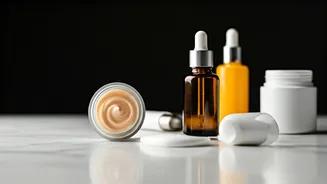
Addressing the 'office air' phenomenon doesn't require an extensive beauty arsenal, but rather a focus on strategic hydration and barrier support. Prioritizing consistent water intake throughout the day and incorporating skincare ingredients like hyaluronic acid, ceramides, and glycerin can significantly boost moisture retention. Instead of layering powders to combat greasiness, opting for blotting papers or a light hydrating mist can refresh the skin without adding buildup. It's also crucial to remember that UV rays can penetrate windows, so daily sunscreen application remains important for protecting the skin from incidental exposure and oxidative stress from screens. Maintaining a simple skincare routine with a gentle cleanser, moisturizer, and sunscreen is often more effective than complex regimens. Desk-side essentials such as lip balm, hand cream, face mist, and a water bottle can provide much-needed comfort and hydration throughout the workday. For hair, avoiding overwashing helps preserve natural oils, and lightweight leave-in conditioners can mitigate dryness caused by indoor air. Lastly, regular breaks away from the desk, even short walks, can improve circulation, reduce eye strain, and offer a mental refresh.