



Early Winter's Arrival
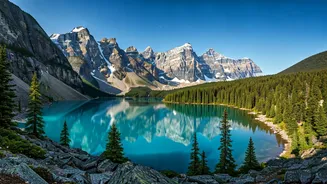
The arrival of the initial significant snowfall across Himachal Pradesh marked the start of a period of dramatic changes, particularly in weather patterns.
Regions like Shimla, Manali, and Lahaul-Spiti experienced a sudden shift to winter conditions, which necessitated adjustments in lifestyle. This swift transition directly influences fashion and clothing preferences. People in these areas had to quickly adapt to the colder temperatures, which meant shifting from lighter attire to heavier, warmer clothing. This event, underscored by the IMD's orange alert, highlights the need for warm clothes that are both functional and fashionable. The early snowfall serves as a catalyst, driving the demand for winter clothing.
Adapting to the Cold
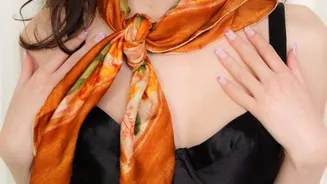
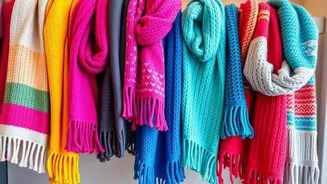
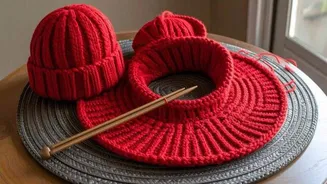
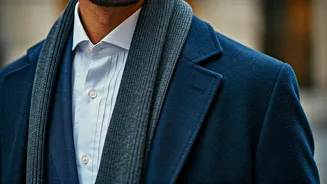
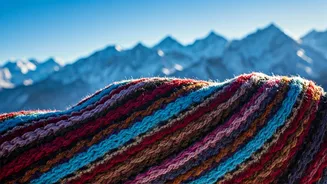
As temperatures plummeted following the snowfall, residents and tourists in Himachal Pradesh found themselves changing their approach to fashion. The most immediate change involved the choice of fabrics. Lightweight summer clothing was swiftly replaced by woolen garments, thick sweaters, and insulated jackets. The need for layering also became apparent; people began combining several layers of clothing to trap heat and ward off the cold. This layered approach is a practical solution for adapting to fluctuating temperatures throughout the day. Accessories became crucial as well. Scarves, hats, and gloves saw a resurgence, offering both warmth and a chance to express personal style. Footwear also changed, with boots and sturdy shoes becoming essential for navigating snowy and icy terrains.
Winter Wardrobe Essentials
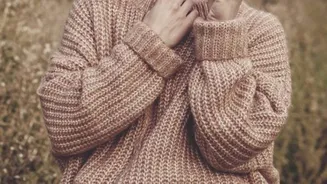
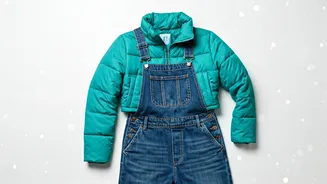
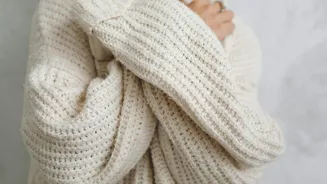
Winter wardrobes in Himachal Pradesh now revolve around a core set of essentials. The mainstay is, undoubtedly, warm, durable outerwear. Parkas, puffer jackets, and heavy coats are now indispensable. Thermal underwear and base layers are also essential for retaining body heat. Sweaters made of wool, cashmere, or fleece provide insulation against the chill. Comfortable, weather-resistant pants, ideally waterproof and windproof, are necessary for protection. Accessories like woolen hats, scarves, and gloves are important, not only for warmth but also for adding style. The choice of footwear is also important, with insulated boots, offering both traction and protection from the elements. This essential wardrobe ensures people can remain active and comfortable despite the harsh winter weather.
Fashion Trends Emerge
The winter season's arrival also brings about the emergence of fresh fashion trends. While practicality is paramount, style is also important. This is reflected in the popularity of certain colors, patterns, and clothing styles. Darker shades like navy, black, and deep reds are popular for their warmth-retaining properties and visual appeal. Textured fabrics, such as corduroy and tweed, become prominent due to their ability to combine functionality and style. Layering continues to be a trend, allowing for customization of outfits based on the intensity of the cold. Accessories also play a role; chunky knit scarves, leather gloves, and fashionable beanies can enhance a winter look. Local artisans and designers start to showcase their winter collections, blending cultural motifs with functional designs, further enriching the local fashion scene.
Tourism and Style
The snowfall and the ensuing winter weather significantly influence tourist fashion in popular locations like Shimla and Manali. Visitors often seek out clothing that provides both comfort and protection from the elements, as well as being stylish for photo opportunities. This means a demand for clothing like stylish puffer jackets, waterproof boots, and warm, fashionable accessories. Local shops and markets respond by stocking a range of winter wear that caters to both practicality and fashion. Additionally, tourism drives the demand for traditional garments with a modern twist. The fashion choices of tourists often also promote local craftsmanship and products. The focus is always on striking a balance between keeping warm and expressing personal style while exploring the snow-covered landscapes.