




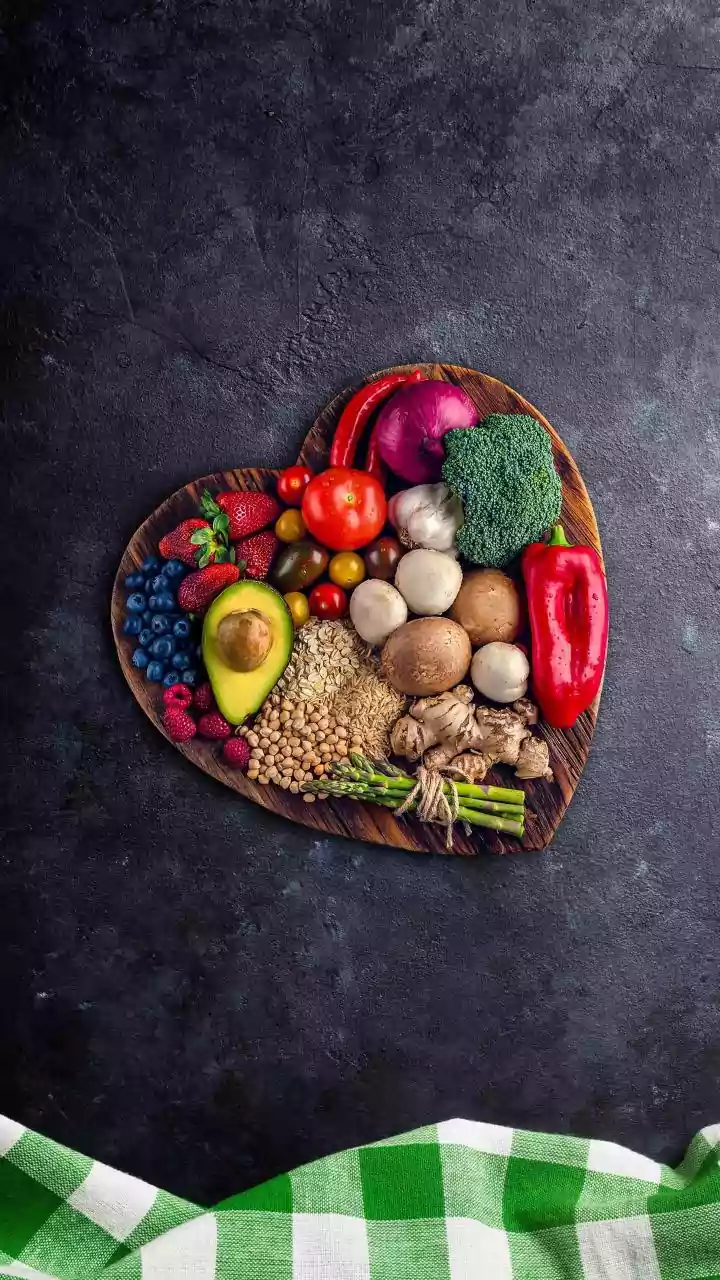



The Indian Heart Concern
Cardiovascular diseases (CVDs) are a growing concern in India, striking individuals a decade earlier than in Western populations, according to a 2020 study
in the National Library of Medicine. The alarming aspects for Indians include an early onset, rapid progression, and high mortality rates. Despite conventional risk factors, Indians exhibit the highest rates of coronary artery disease (CAD), a phenomenon that conventional explanations struggle to fully address. The groundwork for these serious conditions is often laid by daily dietary habits. Subtle, repeated food choices can cumulatively foster inflammation, insulin resistance, visceral fat accumulation, and compromise arterial health, frequently without any conspicuous warning signals. Dr. Brijmohan Arora, a diabetologist from New Delhi, has spotlighted five primary dietary errors that might be covertly elevating the risk of heart attacks.
Five Silent Culprits
Dr. Brijmohan Arora identifies five common dietary mistakes that silently inflict damage on the heart, stressing their removal for a life free from sudden heart attacks. These insidious errors contribute to internal cardiac damage, with symptoms often manifesting only at the critical moment of an attack. The identified dietary transgressions include excessive consumption of 'seed oils,' 'ultra-processed/packet food,' 'sugary drinks,' 'refined grains' such as bread and pasta made from white flour, and 'processed meats.' According to Dr. Arora, these items are significant drivers of insulin resistance, chronic inflammation, accumulation of visceral fat, and damage to the arteries, underscoring that improving metabolism is key to mitigating heart disease risk.
Nuances in Diet Science
While the warning about dietary mistakes is clear, it's crucial to consider the broader nutritional landscape. Experts like Dr. Jagadish Hiremath, a public health advocate, emphasize that cardiovascular disease risk stems more from overall dietary patterns than from single food items. Robust scientific evidence, gathered from extensive population studies and meta-analyses, consistently links high consumption of processed meats and refined carbohydrates to an increased risk of heart disease. This association is attributed to elevated levels of saturated fats, sodium, preservatives, and rapid blood sugar spikes, all of which can disrupt metabolic function. The role of seed oils is more complex; while replacing saturated fats with unsaturated fats, including those in common vegetable oils, can lower LDL cholesterol and reduce cardiovascular risk when consumed moderately, problems emerge with repeated reheating or their prevalence in ultra-processed foods.
Quantity and Balance Matter
The impact of specific foods on heart health is heavily influenced by quantity, preparation methods, and the overall balance of one's diet. Dr. Hiremath points out that occasional indulgence in items like seed oils, within an otherwise healthy eating regimen, is unlikely to significantly elevate heart attack risk. However, frequent consumption, especially when coupled with a sedentary lifestyle, smoking, and obesity, substantially magnifies this risk over time. The interplay of these factors is critical; a diet rich in nutrient-dense foods, with mindful portion control and adherence to healthy cooking practices, can offer substantial protection against cardiovascular ailments, even when less-than-ideal items are occasionally consumed.
Insulin Resistance & Inflammation
Insulin resistance and persistent, low-grade inflammation are identified as central catalysts in the development of contemporary cardiovascular diseases. Dr. Hiremath explains that when the body loses sensitivity to insulin, blood glucose and insulin levels remain elevated, leading to damage of the blood vessel linings, promoting plaque formation, and accelerating atherosclerosis. Concurrently, chronic inflammation destabilizes existing arterial plaques, increasing their likelihood of rupturing and triggering heart attacks. The positive aspect is that both these conditions are highly amenable to lifestyle interventions. Dietary adjustments, such as reducing refined sugars, limiting ultra-processed foods, increasing fiber intake, and incorporating healthy fats from sources like nuts, seeds, and fatty fish, can markedly enhance insulin sensitivity within weeks to months. These improvements are further amplified by weight reduction, regular physical activity, and adequate sleep.