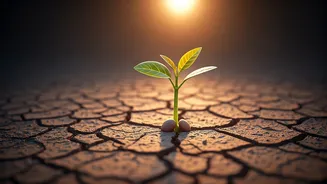







The Essence of Learning
At its heart, Maya Angelou's profound statement, "Do the best you can until you know better. Then when you know better, do better," encapsulates the beautiful,
ongoing journey of human development. None of us are born with a complete understanding of the world. We all navigate life with the knowledge and insights available to us at any given moment, and sometimes, this leads to missteps or imperfect decisions. This quote offers a gentle reminder that doing your utmost with what you understand at the time is perfectly acceptable. It’s a particularly resonant message for younger individuals who often feel immense pressure to possess all the answers prematurely, understanding that striving is enough when in the learning phase.
Embracing Imperfection
In today's digitally connected society, where successes are often amplified and every error can be quickly scrutinized, Angelou's words serve as a comforting balm. The quote suggests that not achieving perfection does not equate to failure; it simply signifies our humanity. The crucial part, "until you know better," highlights the inherent human capacity for growth and adaptation. It acknowledges that our perspectives and understanding are not static; they evolve over time, granting us the opportunity to revise our thoughts and approaches as we acquire new knowledge and experiences. This allows for a more forgiving and developmental view of personal progress.
Responsibility Through Wisdom
However, Angelou's message extends beyond mere leniency; it introduces a vital element of accountability. The subsequent directive, "Then when you know better, do better," transforms the comforting advice into a powerful imperative for action. True learning and growth are only truly impactful when they translate into tangible changes in our behavior. Acquired wisdom gains its real significance when it actively shapes our choices and actions. This emphasizes that personal development isn't solely about theoretical understanding; it's about the practical application of that knowledge in our daily lives. This duality creates a cycle of continuous improvement.
Empowerment for Youth
This philosophy holds particular significance for young people navigating the complexities of adolescence and early adulthood. In an era saturated with information and diverse opinions, teens are often tasked with making significant life decisions concerning education, careers, and relationships, even before fully understanding themselves. Angelou's quote provides a framework that simplifies this often overwhelming process by reassuring them that living and improving is more valuable than striving for immediate flawlessness. It fosters humility, encouraging the willingness to listen, adapt, and acknowledge that one might not always possess the absolute truth, a mark of maturity. Subsequently, the courage to implement changes based on new understanding is where true growth lies, offering a hopeful path forward.
A Hopeful Forward Path
Ultimately, Maya Angelou's insightful words offer a profound sense of optimism and a clear direction for navigating life. They underscore that past efforts, even if imperfect, hold value and that knowledge should invariably lead to positive transformation. For a generation actively seeking guidance and purpose, this message is far more than just advice; it's a powerful beacon of hope, a testament to the enduring potential for growth, and an affirmation of the endless possibilities that await with each new lesson learned and each opportunity to evolve. It means progress is always within reach.