




The Repetition Dilemma
Many feel a pang of unease when re-wearing clothes, often stemming from a perceived pressure to appear novel with every outing. This worry is amplified
by social media's curated portrayal of constant newness. However, outfit repetition is not only practical and budget-friendly but also a cornerstone of sustainable fashion. Research indicates that frequent garment reuse and restyling are linked to reduced consumption and more eco-conscious wardrobe habits. This approach aligns perfectly with environmental responsibility, challenging the notion that wearing the same items repeatedly is a fashion misstep. Stylish individuals often leverage this practice, making their favorite pieces look intentional and current through clever styling.
The "One-Element" Secret
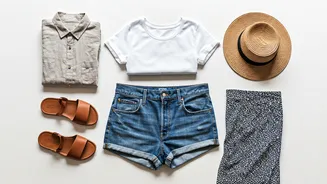
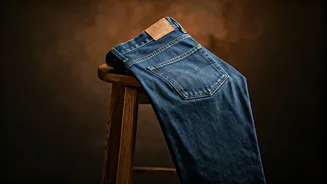
The key to elevating outfit repetition lies in a remarkably straightforward principle: alter only one visible component each time you wear an ensemble. This strategy eliminates the need for a constantly expanding wardrobe or increased spending. By making a single, impactful change, you can dramatically shift the perception of your outfit. For instance, pairing the same trousers and shirt with different footwear, like swapping sneakers for ankle boots, creates an entirely new visual impression. Studies support this, revealing that even minor adjustments to visible elements significantly enhance the sense of novelty, without requiring the acquisition of new items. Our brains are wired to register visual contrast rather than complete originality, making this minimalist approach highly effective.
What to Swap
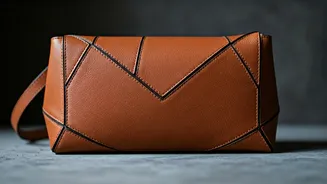
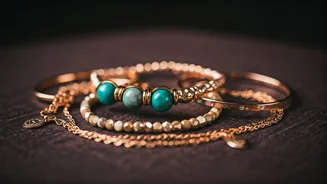
The beauty of the 'one-element swap' lies in its adaptable nature, allowing almost any visible part of your attire to serve as the point of change. Shoes are a prime example, possessing the power to redefine an outfit's mood—from casual with trainers to polished with flats or evening-appropriate with heels. Outerwear, such as coats, blazers, or cardigans, also plays a crucial role in the overall visual statement, especially in cooler climates. Accessories like belts, bags, jewelry, and scarves offer another impactful avenue for transformation; a different bag or a statement necklace can instantly alter the perceived newness of an outfit. Even subtle silhouette tweaks, like tucking in a shirt or belting a dress, cost nothing and can significantly change a garment's character. Furthermore, adjusting your hair or makeup can influence how your clothes are perceived, complementing the visual shift.
Psychology of Style
The effectiveness of the 'one-element swap' rule is rooted in human psychology. Observers tend to retain generalized impressions of outfits rather than precise details, especially when visual stimuli are repeated. By altering a single component, you disrupt this impression just enough to make the entire look feel novel. This principle is also why capsule wardrobes are so successful; the core pieces remain, but their combinations, achieved through strategic variations, create an illusion of endless variety. This approach fosters creativity over consumption, empowering individuals to derive greater value from their existing wardrobe. Embracing this mindset means wearing favorite pieces more frequently, simply by introducing small, impactful twists each time.