
Celebrating the Harvest
Makar Sankranti is more than just a festival; it's a celebration of the harvest and the sun's journey, filled with traditions and joyous gatherings. The
year 2026's Makar Sankranti is an opportunity to embrace these customs and create lasting memories. It is marked by the sun's entry into the zodiac sign of Capricorn, typically falling on January 14th or 15th, and is observed with various customs across India. The festival symbolizes the end of the winter solstice and the beginning of longer days. Makar Sankranti's essence lies in acknowledging nature's bounty and promoting community bonds.
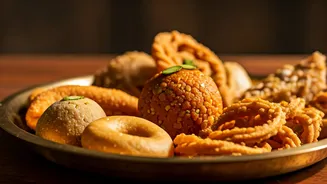
10 Traditional Festive Foods
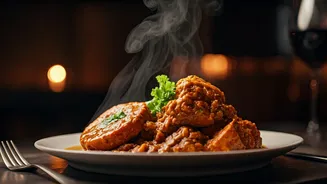
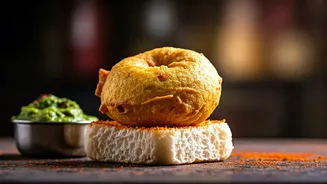
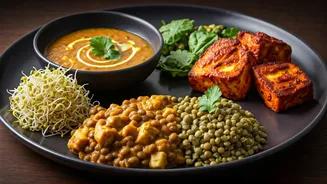
Makar Sankranti is incomplete without its array of festive foods. These traditional dishes, each with its own significance, make the festival a culinary delight. Moong Dal Khichdi is a staple, representing purity and nourishment. Another essential dish is Til Ladoo (sesame seed balls), symbolizing warmth and the welcoming of the sun. The significance of these sweets lies in their ingredients; sesame seeds and jaggery are considered auspicious and are believed to bring health and prosperity. Another dish is Chikki, a crunchy sweet made of peanuts and jaggery, representing the sweetness of the harvest season. Pongal, a South Indian dish made with rice, lentils, and spices, represents abundance. Other traditional dishes include various types of sweets and savories, all prepared with the freshest ingredients.
Saree Looks for 2026
Fashion plays a vital role in celebrating Makar Sankranti, with sarees being a favorite choice to embrace the festive essence. The year 2026 offers many inspirations for saree looks, drawing from Bollywood actresses. Consider vibrant colors like orange, yellow, and red to mirror the sun's radiance, or choose traditional silk sarees with intricate designs. You can draw inspiration from celebrities such as Deepika Padukone and Priyanka Chopra Jonas, who often showcase elegant saree styles. For a modern twist, explore contemporary saree draping styles or accessorize with statement jewelry. It’s important to select sarees made from natural and breathable fabrics. Choose designs and colors that resonate with the spirit of Makar Sankranti. The goal is to feel comfortable, confident, and embrace the festive spirit while making a style statement.
Moong Dal Khichdi at Home
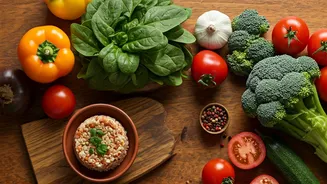
Making Moong Dal Khichdi at home is a simple yet fulfilling way to participate in the Makar Sankranti traditions. This dish is not only a symbol of the festival but also offers numerous health benefits. Start by washing and soaking the moong dal and rice. Then, heat ghee in a pressure cooker or pot, and add spices like cumin seeds, asafoetida, and turmeric powder. Sauté these spices before adding the soaked rice and moong dal. Next, add water, salt, and cook until the rice and dal are soft. Garnish with fresh coriander leaves, and serve hot with a dollop of ghee. The process itself is therapeutic, allowing one to connect with the essence of Makar Sankranti while creating a wholesome dish.