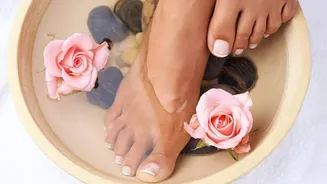

Understanding Cracked Heels
Cracked heels, also known as heel fissures, manifest as splits or cracks in the skin of the heels. They are often brought on by dry skin, pressure from
standing for extended durations, and even the type of footwear that's worn. The severity of the cracks can vary; some may be shallow and only a cosmetic concern, while others can be deep, causing pain and even bleeding. Without proper care, these fissures can deepen, making walking uncomfortable and increasing the risk of infection. Factors contributing to cracked heels include environmental conditions, such as dry climates, as well as medical conditions like eczema or psoriasis. Taking preventative measures, like moisturizing feet regularly and avoiding excessive standing, can help prevent the onset of cracked heels. Additionally, incorporating regular foot care routines, including exfoliation, can contribute to maintaining healthy, supple heels. The selection of suitable footwear, especially supportive shoes that cushion the heels, is also crucial in preventing the problem.
Mask 1: Honey and Banana
This mask combines the moisturizing benefits of honey and the soothing properties of a banana. Honey acts as a natural humectant, drawing moisture to the skin, while bananas are rich in vitamins and oils that help soften and nourish. To prepare this mask, mash half a ripe banana thoroughly until it forms a smooth paste. Add one tablespoon of honey and mix well. Before applying, cleanse and dry your feet. Apply a thick layer of the mask to your heels and other cracked areas. Wrap your feet with plastic wrap or put on a pair of socks to keep the mask in place and enhance absorption. Allow the mask to sit overnight or for at least 30 minutes. Rinse your feet with warm water and pat them dry. The natural sugars in honey and the vitamins from the banana work to hydrate and heal the skin. Repeat this treatment a few times a week for best results. This simple mask provides a gentle yet effective way to rejuvenate and soften dry, cracked heels. This approach not only provides relief from discomfort but also contributes significantly to restoring foot health.
Mask 2: Coconut Oil
Coconut oil is a versatile natural remedy with powerful moisturizing capabilities, making it ideal for treating cracked heels. Its rich concentration of fatty acids helps penetrate the skin, providing deep hydration and promoting elasticity. The application process is straightforward: warm a small amount of coconut oil in your hands until it liquefies. Apply a generous layer of the warm oil to your heels, massaging it gently into the cracked areas. For enhanced effectiveness, wear a pair of socks to keep the oil on your feet and to promote absorption overnight. The overnight treatment allows the coconut oil to work its magic while you sleep. Upon waking up, wash your feet with lukewarm water and pat them dry. Regular use of coconut oil not only moisturizes but also helps in repairing the skin barrier, preventing further moisture loss. This method supports healing and helps to reinstate the natural suppleness of the heels. Consistency is key when utilizing coconut oil; frequent applications, ideally nightly, are recommended to witness significant improvements in the condition of cracked heels. The inherent properties of coconut oil ensure long-lasting moisturization, leading to healthier and smoother feet.
Mask 3: Olive Oil Treatment
Olive oil, a kitchen staple, provides exceptional benefits for foot care due to its rich content of antioxidants and essential fatty acids. These components work together to deeply hydrate and nourish the skin, making it a great treatment for cracked heels. The procedure involves first washing your feet with warm water and patting them dry. Then, massage a generous amount of olive oil onto your heels, ensuring that every cracked area receives attention. To boost the efficacy of the treatment, put on a pair of socks after application to allow the oil to absorb overnight. This will help the olive oil to effectively hydrate and rejuvenate your skin. In the morning, wash your feet with mild soap and water. Olive oil assists in softening hardened skin and replenishing moisture, therefore promoting the healing process of cracked heels. Consistency in using olive oil, even every day, can bring about visible enhancements in skin texture and overall foot health. Its natural composition makes it a gentle yet highly effective choice for addressing foot concerns. Using it frequently helps in creating and sustaining softer and healthier heels.
Mask 4: Oatmeal and Milk
This combination harnesses the soothing powers of oatmeal and the nourishing properties of milk to treat cracked heels. Oatmeal has anti-inflammatory properties, providing relief from itchiness and irritation, whereas milk, rich in lactic acid, gently exfoliates dead skin cells. To prepare the mask, combine 2 tablespoons of finely ground oatmeal with enough milk to form a thick paste. Apply this mixture to your cracked heels, ensuring complete coverage. Wrap your feet in plastic wrap or slip on socks to maintain moisture and to make the process more effective. Let the mask sit for about 20-30 minutes, allowing the oatmeal and milk to work their magic. Rinse with warm water and pat your feet dry. The oatmeal gently exfoliates and soothes the skin, while the milk provides essential nutrients and hydration. This treatment helps to diminish dry skin and enhance the overall health of your feet. Repeated use of the oatmeal and milk mask helps in softening and healing cracked heels, making this an ideal treatment for regular foot care.