




The Hydrogen Cooking Innovation
In response to escalating global cooking gas prices and potential supply disruptions, an exciting new Indian invention offers a sustainable path forward
for kitchens. This innovative device, dubbed a 'Plug-and-Play' hydrogen cooking unit, ingeniously transforms ordinary water and electricity into hydrogen gas precisely when needed. The system completely bypasses the need for cumbersome gas cylinders and extensive pipeline networks, positioning itself as a truly sustainable cooking method suitable for both residential kitchens and commercial food establishments. This advancement arrives at a critical juncture, providing a compelling alternative to conventional fossil fuel-dependent cooking methods, especially as global energy markets face volatility and supply chain concerns. The potential for widespread adoption could significantly alter the domestic energy landscape, making clean cooking more accessible and reliable.
How It Works: Electrolysis Explained
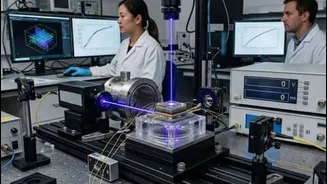
At the heart of this novel cooking apparatus is an integrated Proton Exchange Membrane (PEM) electrolyser, a sophisticated component that directly manufactures hydrogen from simple water. This means the stove can produce its fuel on-demand, eliminating the necessity for any pre-existing storage tanks or complex piping. Users simply turn the knob to initiate the electrolysis process. The water is split into its constituent elements: hydrogen, which is then used for a clean, efficient flame, and oxygen, which is released into the kitchen, potentially contributing to better air quality. The only byproduct of this reaction is water vapor, making the entire process remarkably eco-friendly. According to the company's founder, each unit requires a modest amount of distilled or RO water, approximately 100 ml, and just 1 kWh of electricity to operate for as long as six hours, a testament to its energy efficiency.
Efficiency Beyond LPG
The company strongly advocates for this hydrogen cooking system as a superior choice compared to traditional LPG stoves and even electric induction cooktops, particularly for high-volume cooking environments like hotels and community kitchens. While induction stoves also rely on electricity, their energy consumption is considerably higher. An induction burner typically uses between 1.5 to 2 kW, translating to 9 to 12 kWh for six hours of operation. In contrast, the hydrogen system requires only about 1 kWh for the same duration, demonstrating a significant leap in energy efficiency. Furthermore, this hydrogen stove offers remarkable versatility, accommodating any type of cookware, unlike induction stoves which necessitate specialized magnetic pots. This compatibility ensures that traditional cooking methods, common in Indian households and eateries, can be seamlessly integrated without requiring new sets of utensils.
Operational Flexibility
The standard configuration of this hydrogen cooking unit is designed for real-time hydrogen generation and immediate consumption, directly linking the electrolyser to the cooking appliance. This direct coupling mechanism eradicates the need for any hydrogen storage within the system, simplifying its design and operation. However, for scenarios demanding more flexibility, such as utilizing off-peak electricity rates or leveraging solar power generation, the system can be adapted to include hydrogen storage capabilities. This allows for hydrogen to be produced during periods of low demand or abundant renewable energy and then utilized during peak cooking times. For establishments with exceptionally high cooking demands, options for storing hydrogen in high-pressure cylinders, rated at 200-300 bar, or utilizing buffer tanks are also available, ensuring a continuous and reliable fuel supply.
Investment and Accessibility
While the idea of industrial-scale hydrogen production is being pursued by major corporations, this innovation focuses on making hydrogen cooking accessible for everyday use. The pricing for the different models reflects this commitment to bringing advanced clean energy technology to a broader market. The single-burner model is available for approximately INR 1,05,000, plus Goods and Services Tax (GST). For those requiring more cooking capacity, the double-burner model is priced at around INR 1,50,000, also before GST. These price points aim to position the hydrogen stove as a viable, albeit premium, alternative to existing cooking solutions, offering long-term savings and environmental benefits that justify the initial investment for households and businesses looking to embrace a cleaner and more self-sufficient cooking future.