

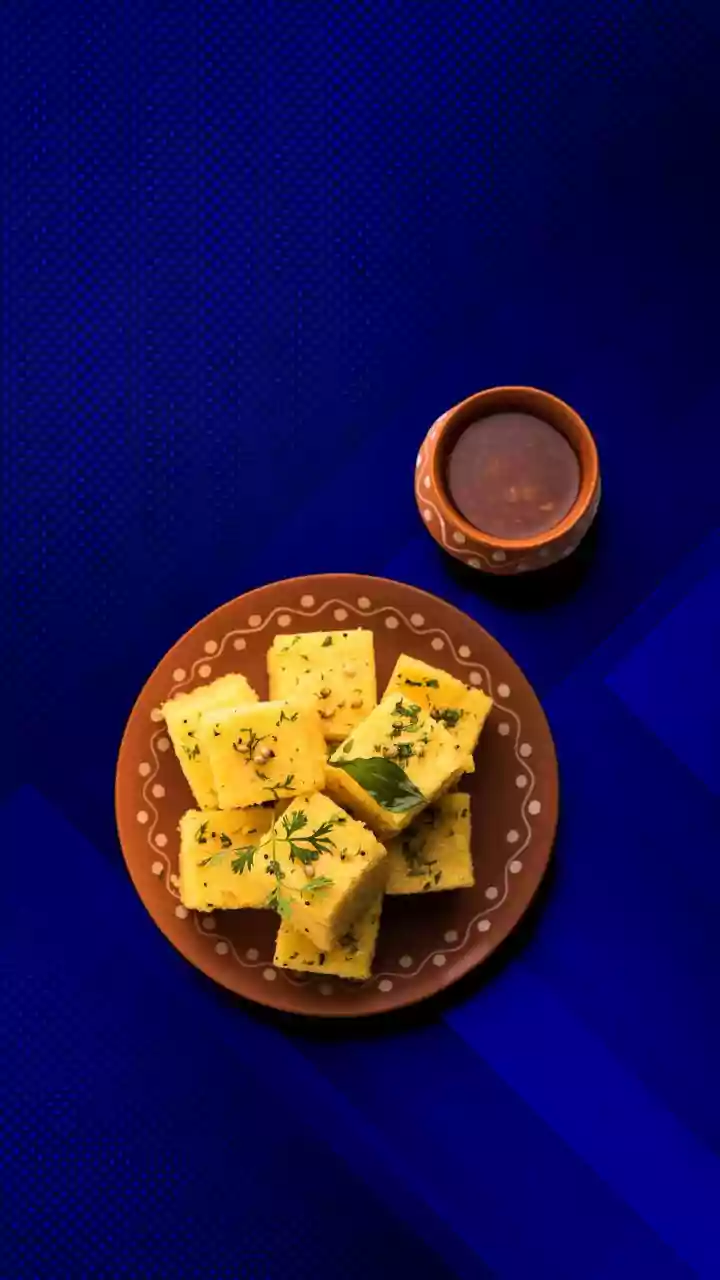



A Festival Feast
Makar Sankranti, a significant harvest festival, unites the nation with joy and the shared experience of preparing and savoring special foods. The selection
of dishes for Makar Sankranti varies from region to region, reflecting the diverse culinary traditions of India. The common thread throughout the country is the use of seasonal ingredients, such as sesame seeds and jaggery, which are believed to provide warmth and energy during the winter season. These dishes are not merely for consumption; they are a symbol of togetherness, community, and gratitude for the harvest. Each food item carries cultural significance, representing prosperity, health, and a fresh start. This festival provides a rich opportunity to celebrate these traditions while enjoying a shared culinary experience.
Undhiyu's Warmth
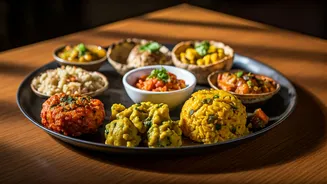
Undhiyu, a mixed vegetable dish, is a Gujarati specialty enjoyed during Makar Sankranti. It is cooked in earthen pots (matkas) underground, offering a unique smoky flavor. The dish usually consists of seasonal vegetables, such as brinjals, potatoes, sweet potatoes, beans, and green peas, which are mixed with spices, herbs, and a blend of nuts and sesame seeds. The slow cooking process inverts the vegetables, allowing them to absorb all the flavors of the spices and the natural essence of the earth. Undhiyu is often served with hot puris (fried Indian bread) and shrikhand (sweetened strained yogurt). This dish highlights the significance of seasonal ingredients and the collective effort involved in preparing a feast.
Til Ladoo Delights
Til ladoos are spherical sweets made from sesame seeds (til) and jaggery (gur), a combination that provides warmth and energy. The use of sesame seeds symbolizes the harvest, and the jaggery offers a natural sweetness. These ladoos are easy to make and are often shared with loved ones. The process involves roasting the sesame seeds and then mixing them with melted jaggery and shaping them into bite-sized balls. Til ladoos are a significant part of the Sankranti celebrations, signifying sweetness, good fortune, and the bond of familial ties. These sweets are a simple yet powerful representation of the festival's warmth and the sharing of joy.
Gujarati Chikki
Chikki is a traditional Indian sweet, mainly made from jaggery and peanuts, known for its crunchy texture and sweet taste. It's a popular treat during Makar Sankranti. The peanuts, which are rich in protein and energy, are roasted and combined with melted jaggery to create this sweet. The chikki is then spread out and cut into square or rectangular shapes. The simplicity of ingredients and the ease of preparation make chikki a favorite across different communities. Its presence in festive celebrations reflects the importance of simple, wholesome ingredients and the pleasure of sharing traditional food.
Pongal's Bounty
Pongal is a sweet dish made from rice, lentils, milk, and jaggery. It is associated with the harvest festival of the same name, celebrated in South India, and also consumed during Makar Sankranti. The dish is cooked in a pot, traditionally in the open, allowing the ingredients to simmer until they become creamy. The overflowing of the pot symbolizes abundance and prosperity. The dish has both a ritual and a gastronomic significance. It represents a gesture of gratitude towards the sun god and the land's bounty. The sweetness of the jaggery symbolizes the happiness and good fortune anticipated for the new harvest year.
Patishapta's Creaminess
Patishapta, a traditional Bengali crepe filled with coconut and jaggery, is often enjoyed during Makar Sankranti. The crepe is prepared using a batter made of rice flour or all-purpose flour. The filling consists of freshly grated coconut, jaggery, and sometimes thickened milk (khoya) or nuts. This mixture is then cooked and rolled inside the crepe. The sweet, creamy filling and the thin, crispy crepe offer a delightful contrast in textures and tastes. Patishapta is typically a part of festive menus, representing the culinary heritage of Bengal and the shared joy of feasting during the harvest season. The dish stands as a testament to the blend of cultural traditions and a love for sweets.
Gajak Crunch
Gajak is a popular Indian sweet, a crispy brittle made from sesame seeds and jaggery or sugar, widely enjoyed during the winter season and Makar Sankranti. The sesame seeds are roasted, then combined with melted jaggery or sugar to form a chewy or crispy texture. It is available in various forms, from thin sheets to thick bars. Gajak is a tasty treat that provides warmth and energy. Its simplicity and deliciousness have made it a favorite among all age groups. This sweet offers a combination of nutty flavor and sweetness, making it a delicious addition to Makar Sankranti celebrations.
Kheer's Comfort
Kheer is a traditional rice pudding often consumed during festive occasions, including Makar Sankranti. It is made by slow-cooking rice with milk and sugar, and often flavored with cardamom, saffron, and nuts such as cashews and almonds. The slow simmering of the ingredients ensures a creamy texture and allows flavors to meld beautifully. Kheer is considered auspicious and is a symbol of prosperity and well-being. The creamy texture and rich flavor provide comfort, and the practice of preparing this dessert reflects the spirit of the occasion, which is about togetherness and the pleasure of shared culinary experiences.
Puran Poli's Richness
Puran Poli, a sweet flatbread with a filling of cooked chana dal (split chickpeas), jaggery, and spices, is a beloved dish during Makar Sankranti, especially in Maharashtra. The dough is made of all-purpose flour. The filling is made by blending cooked chana dal with jaggery, cardamom, and nutmeg to create a sweet, flavorful mixture. The flatbread is then rolled out, filled with the sweet mixture, and cooked on a griddle. The combination of sweet filling and the soft, flaky bread makes Puran Poli a dish that is both satisfying and celebratory. Eating Puran Poli signifies abundance, and the process of preparing it is often a community activity.
Khichdi's Simplicity
Khichdi, a comforting dish made from rice and lentils, is often consumed during Makar Sankranti. This simple dish is easy to digest and is often seasoned with spices and served with ghee (clarified butter) or yogurt. The dish provides a balance of nutrients and is symbolic of starting the new season with simplicity and purity. It is considered auspicious and is often eaten as the first meal of the day during the festival. The preparation and consumption of khichdi reflect the festive spirit of gratitude, new beginnings, and the simple joys of sharing a wholesome meal with loved ones.