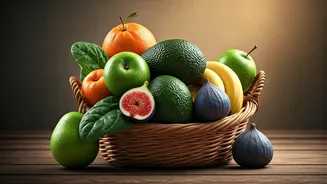







The Magnesium Mystery
In our fast-paced lives, modern diets often fall short on essential minerals like magnesium. This crucial element is involved in over 300 enzymatic reactions
within the body, playing a silent but vital role in muscle relaxation, nerve signaling, maintaining a steady heartbeat, and even influencing mood and sleep quality. Despite its importance, many individuals struggle to meet their daily magnesium needs through conventional meals. While nuts and seeds are commonly recognized for their magnesium content, fruits often get overlooked. Yet, various fruits quietly deliver significant amounts of this mineral, alongside beneficial fiber, antioxidants, and hydration, offering a gentle and natural way to supplement intake compared to artificial supplements.
Avocado's Creamy Goodness
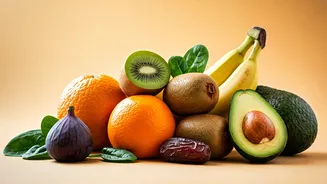
Beyond its reputation for healthy fats, the avocado stands out for its considerable magnesium content. A single cup of cubed avocado can provide approximately 43.5 mg of this essential mineral. Its unique texture encourages a slower eating pace, contributing to a more satisfying meal experience, which is why nutritionists often suggest it for breakfast or lunch. Magnesium further enhances avocado's value by supporting muscle recovery and nerve communication. Emerging research also highlights the potential benefits of magnesium-rich diets for cardiovascular health. The deliberate way avocado is consumed—perhaps mashed on toast with a hint of lemon and pepper—promotes mindful eating, offering a more fulfilling alternative to quick, processed snacks often consumed distractedly.
Dried Figs: Sweet Powerhouses
Although not always in the spotlight, dried figs are a remarkable source of magnesium, offering around 101 mg per cup, making them one of the most magnesium-dense fruits available. Their appeal lies in their balanced nutritional profile; they are naturally sweet yet also packed with fiber, potassium, and calcium. This combination aids digestion and supports healthy muscle and nerve function. For those experiencing afternoon energy dips, a small portion of dried figs, perhaps paired with plain yogurt or nuts, can effectively curb cravings while delivering genuine nutritional benefits, unlike empty-calorie sweets. It's important, however, to consume them in moderation due to their concentrated natural sugars, especially for individuals monitoring their blood sugar levels.
Guava: Tropical Nutrient Gem
While often celebrated for its abundant vitamin C, guava also provides a notable amount of magnesium, with one cup offering approximately 36.4 mg. This fruit boasts a refreshing tartness that is particularly invigorating in warmer climates. Nutritionally, guava offers an impressive blend of fiber, antioxidants, and magnesium within a low-calorie package. In many Indian households, a simple preparation of guava with a sprinkle of salt and chili powder is a time-honored tradition, a testament to its satisfying yet light nature. Despite its unpretentious appearance, guava delivers substantial health benefits that punch well above its perceived value.
Papaya's Gentle Support
A single medium papaya contributes around 33 mg of magnesium, along with digestive enzymes like papain, which is widely recognized for its gut-health benefits. Papaya often earns the nickname 'recovery fruit' in homes, given to those feeling unwell or experiencing digestive discomfort. This reputation is well-deserved due to papain's ability to aid digestion. Its soft, yielding texture makes it an easily digestible option, especially beneficial for older adults or individuals with sensitive digestive systems, allowing for regular fruit consumption without discomfort. Papaya's quiet, consistent contribution to well-being reflects a broader principle: that consistent, steady nourishment, rather than extreme measures, often leads to optimal health.
Bananas: Potassium's Partner
Bananas are widely known for their potassium content, but they also offer a significant amount of magnesium, with a medium-sized banana containing about 32 mg. This synergy is particularly important for muscle function and maintaining proper hydration levels, which is why bananas are a favorite among athletes and those recovering from physical exertion. Beyond their nutritional value, bananas hold a special place due to their accessibility, affordability, and ease of digestion. In many Indian homes, bananas are a staple fruit, often consumed daily without much thought—a prime example of how simple, habitual healthy choices can accumulate to significant well-being benefits. They may lack the exotic appeal of some 'superfoods,' but their consistent, reliable contribution is invaluable.
Blackberries: Rich Antioxidants
One cup of blackberries delivers approximately 29 mg of magnesium, complemented by beneficial fiber and potent antioxidants that contribute to overall health. What truly sets blackberries apart is their complex flavor profile—a delightful interplay of sweet and tart notes that encourages an appreciation for natural tastes, a welcome contrast to overly sweetened processed items. Their deep color is attributed to anthocyanins, plant compounds that have been the subject of research for their antioxidant properties. While fresh blackberries might not be universally available, frozen varieties retain most of their nutritional integrity and can be easily incorporated into smoothies or breakfast bowls. Often, achieving nutritional goals isn't about drastic changes, but about making small, consistent, positive dietary upgrades.