



Ancient Roots, Modern Appeal
Humans have long sought unconventional methods for achieving flawless complexions, with historical figures like Cleopatra utilizing donkey milk baths.
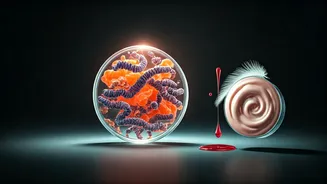
Today, these ancient pursuits have resurfaced in amplified forms, driven by social media's rapid dissemination of beauty fads. Trends like salmon DNA injections, popularized by K-beauty, and the so-called 'Geisha facial' using nightingale droppings, exemplify this resurgence. While the exact origins of some practices remain shrouded in mystery, their modern iteration often involves purified ingredients and scientific scrutiny to understand their purported benefits for skin rejuvenation and enhancement. Celebrity endorsements further fuel their viral spread, blurring the lines between age-old wisdom and contemporary beauty innovation.
Salmon Sperm: Hydration and Youth
The practice of injecting salmon sperm DNA into the skin, a significant trend originating from Seoul clinics, is rooted in regenerative medicine principles aimed at skin repair. These treatments involve injecting purified polynucleotides, DNA fragments derived from salmon sperm, into the dermis. Dermatological experts suggest that these compounds can offer notable benefits, including enhanced skin hydration, improved texture, and a reduction in the appearance of fine lines and wrinkles. While direct scientific research specifically on salmon sperm injections for cosmetic purposes is still developing, studies on purified versions of these DNA fragments indicate their potential to promote skin plumping and elasticity. The K-Beauty movement, amplified by global celebrity adoption, has propelled this unique treatment into international prominence, sparking curiosity and adoption worldwide.
Bird Droppings: The Geisha Secret
The 'Geisha facial,' also known as the nightingale poop facial, utilizes sterilized nightingale droppings as a key ingredient in a mask. This practice, drawing from historical Japanese traditions, is believed to offer significant skincare advantages. The droppings contain a high concentration of urea, a natural humectant that helps to soften and hydrate the skin, similar to many lotions. Furthermore, they are rich in guanine amino acid, which is thought to contribute to skin brightening. It is crucial to emphasize that these facials use specially processed and sterilized droppings, not material collected haphazardly from the streets. The purification process ensures safety and efficacy, transforming a potentially unsanitary substance into a beneficial skincare treatment that can provide deep hydration and a radiant complexion, harkening back to ancient beauty rituals adapted for modern spa environments.
Vampire Facials: PRP's Power
Vampire facials, a more established trend, involve the application of platelet-rich plasma (PRP) to the skin. This procedure begins with a small blood draw from the patient, which is then processed in a centrifuge. This separation extracts the platelet-rich plasma, a concentrate abundant in growth factors essential for tissue repair and regeneration. The PRP is then reintroduced into the skin, typically through microneedling, a technique that creates tiny channels to enhance absorption and stimulate the skin's natural healing response. Research indicates that PRP therapy can significantly boost collagen production, leading to improved skin elasticity and a noticeable reduction in wrinkles and hyperpigmentation. While outcomes can vary based on individual factors like growth factor levels and the specific equipment used, many individuals report visible improvements in skin texture and tone, particularly those in their 50s and 60s.