




Onion Juice's Pungent Power
While its aroma is famously strong, onion juice is a well-regarded natural remedy due to its high sulfur content. Sulfur is a vital component in the formation
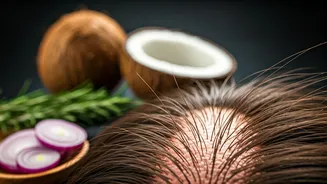
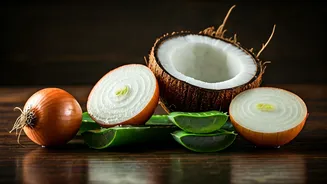
of hair, aiding in the production of keratin, the primary protein that makes up hair strands. Furthermore, applying onion juice is believed to stimulate blood circulation to the scalp, which can foster a healthier environment for hair follicles. Studies have even suggested a potential benefit for patchy hair loss by helping to reactivate dormant follicles. To use, blend or grate an onion to extract its juice, apply it directly to the scalp, and leave it for a 20-30 minute period before thoroughly washing it out. It’s advisable to use this treatment a few times a week, but perhaps not right before social engagements due to its potent smell.
Coconut Oil's Gentle Care
Coconut oil has been a trusted hair care staple for generations, and for good reason. Its composition is particularly effective at minimizing protein loss from the hair shaft, thereby preserving hair integrity and keeping the scalp well-hydrated. The act of massaging the oil into the scalp is as crucial as the oil itself, as it significantly boosts blood flow. Enhanced circulation delivers more vital oxygen to the hair roots, helping to maintain the health of existing follicles. While it won't revive permanently lost hair, it plays a key role in preserving what you still have. To incorporate it, gently warm a small amount of coconut oil and massage it into your scalp for about 5-10 minutes. You can leave it on for an hour or even overnight before rinsing. For best results, consistency is key; making this a regular habit rather than an infrequent treatment is crucial for noticeable benefits.
Aloe Vera for Scalp Soothing
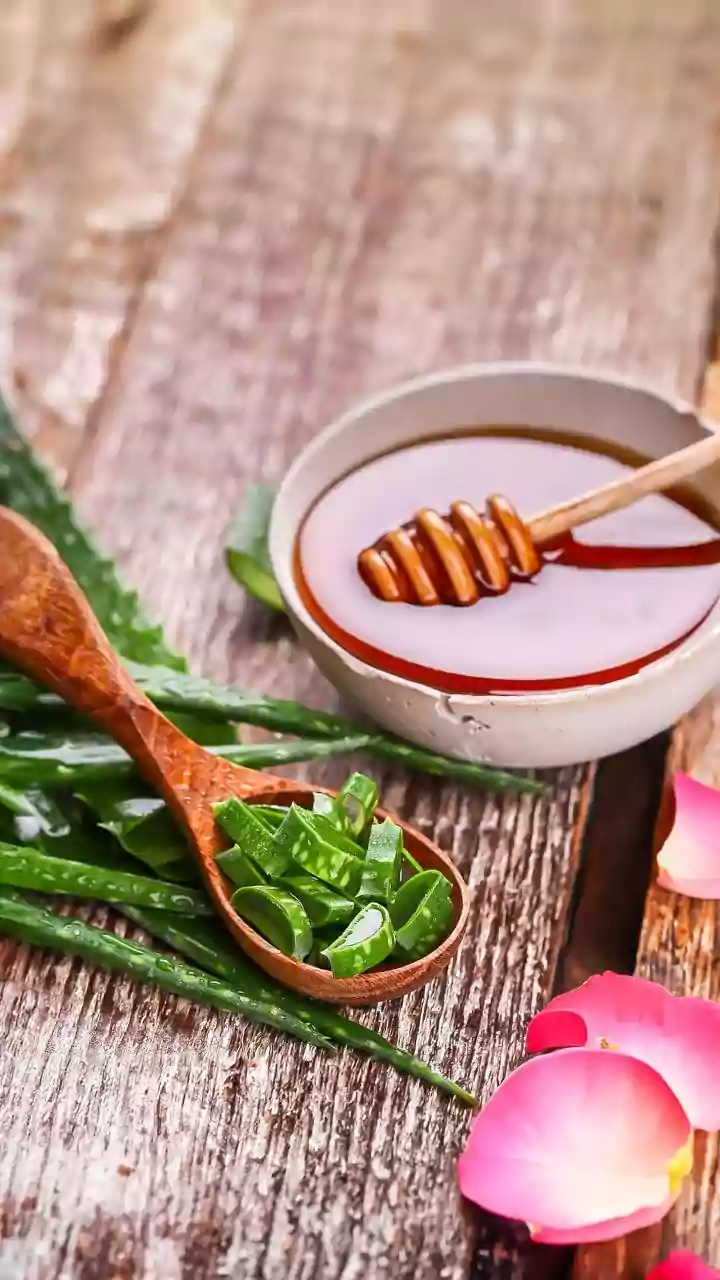
If you experience scalp irritation, dryness, or that tight, uncomfortable feeling, aloe vera offers significant relief. This succulent plant possesses natural cooling properties that can effectively calm an irritated scalp and combat dandruff. By creating a healthier scalp environment, it provides a better foundation for hair growth. Consider aloe vera an essential part of scalp maintenance rather than a direct hair regrowth solution; its primary benefit lies in optimizing the conditions for your hair. To use, extract the fresh gel directly from an aloe vera leaf. Apply this gel generously to your scalp and allow it to penetrate for approximately 40 minutes before rinsing it out. Your scalp will likely feel refreshed and revitalized.
Fenugreek for Hair Strength
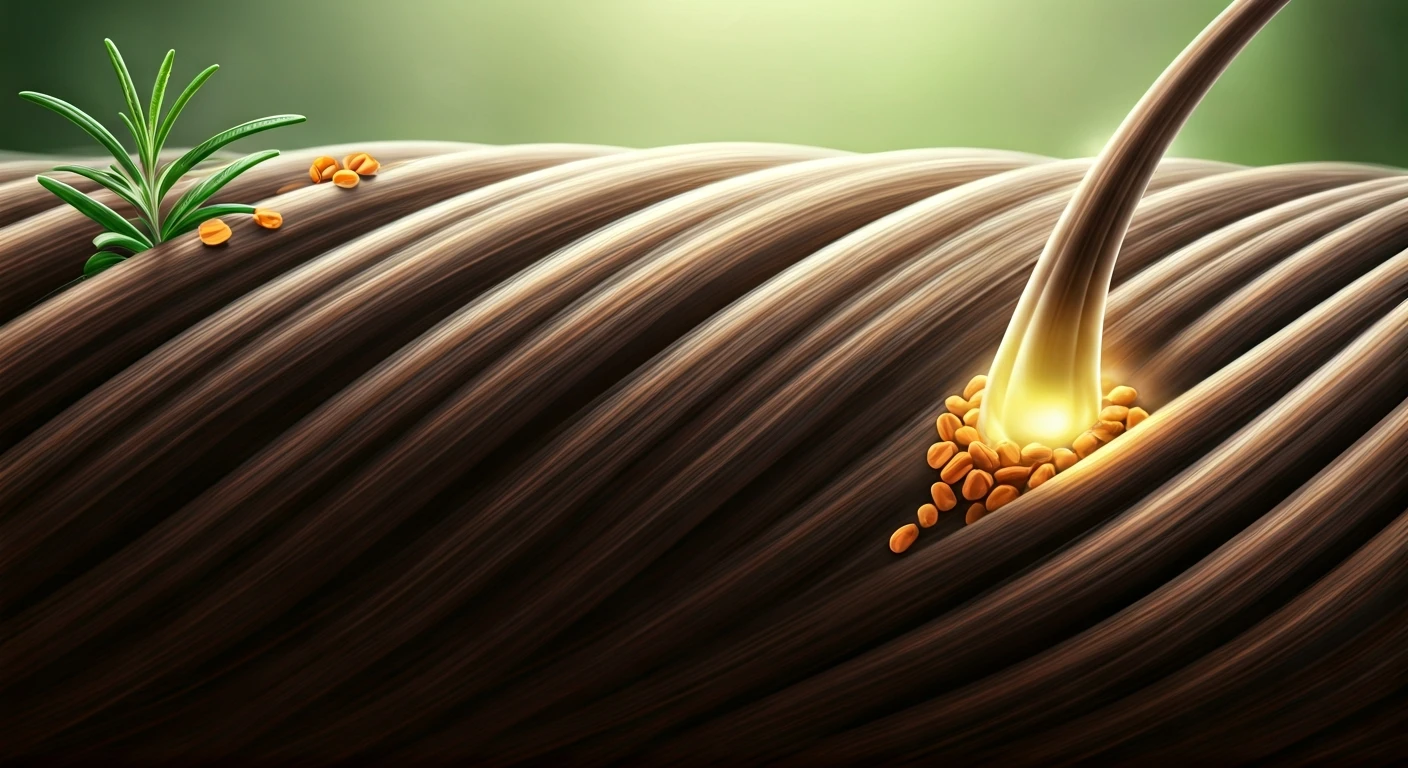
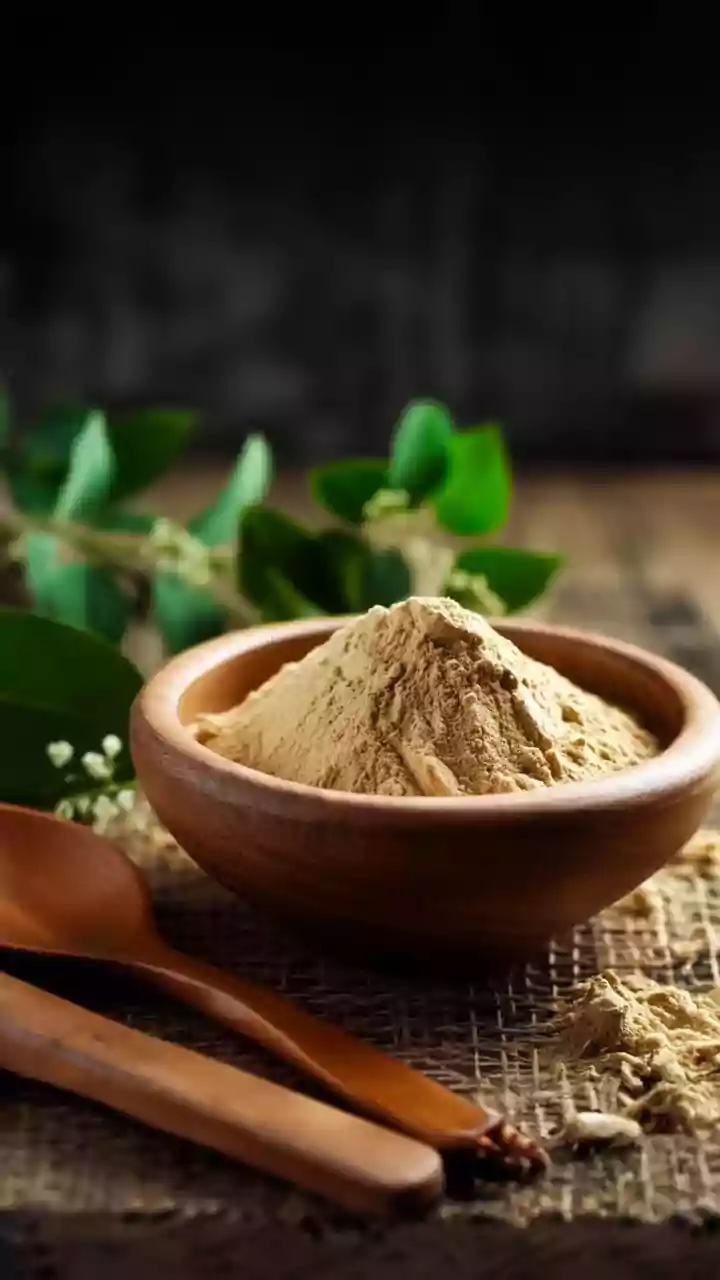
Fenugreek, often referred to as Methi in many Indian households, is a traditional remedy that continues to prove its worth. This ingredient is rich in proteins and nicotinic acid, both of which are widely recognized for their positive impact on hair strength and resilience. While it may not cause rapid hair growth, fenugreek paste can substantially improve the structural integrity of the hair you currently possess, making it less prone to breakage. The traditional method involves soaking fenugreek seeds overnight in water, then grinding them into a fine paste. This paste is then applied to the scalp and hair. Users often report that their hair feels noticeably softer and more manageable after using this treatment.
Rosemary Oil's Potential
Rosemary oil is an intriguing natural option, gaining traction due to emerging scientific interest. Some research suggests that consistent application of rosemary oil over a period of about six months could yield results comparable to those of Minoxidil, a well-known hair loss treatment. Its effectiveness is attributed to its properties as a vasodilator, meaning it helps to widen blood vessels. This action can improve blood flow to the hair follicles, ensuring they receive a more abundant supply of nutrients and oxygen. It is crucial to never use rosemary oil undiluted, as it is quite potent. Always mix a few drops with a carrier oil, such as coconut oil or jojoba oil, before massaging it into the scalp.
Amla: The Antioxidant Boost
Amla, also known as Indian Gooseberry, is a cornerstone of traditional Indian hair care practices for good reason. It is exceptionally high in Vitamin C, a powerful antioxidant. This means amla can help combat oxidative stress, a cellular process that can accelerate the aging of hair follicles and contribute to hair thinning and premature greying. While commonly used to prevent these issues and maintain hair color, amla also serves as a potent tonic for the scalp, enhancing its overall resilience and health. Incorporating amla into your hair care routine can contribute to a stronger, healthier scalp environment.
Nutrition's Crucial Role
Focusing solely on topical applications might overlook a critical aspect of hair health: nutrition. Your diet plays an instrumental role in the condition of your hair. If your body is deficient in essential nutrients, it prioritizes vital organs over non-essential tissues like hair, meaning hair receives fewer resources. Therefore, a balanced diet is paramount. Ensure adequate intake of protein (found in eggs, chicken, lentils, and paneer), as hair is primarily made of protein. Iron is also vital; deficiency is a common cause of hair thinning, so include iron-rich foods like spinach and lentils. Finally, healthy fats from nuts and seeds contribute to hair's natural shine and scalp health, making them indispensable for robust hair.
Realistic Expectations and Consistency
It's important to approach natural hair remedies with realistic expectations, especially concerning male pattern baldness, which is often influenced by genetics and hormones like DHT. These home remedies are not a magical cure and cannot fully reverse significant hair loss that has occurred over many years. However, they are highly effective in slowing down the rate of shedding, improving the texture and thickness of existing hair, and maintaining a healthy scalp environment. What they cannot do is resurrect hair follicles that have been dormant for an extended period. For substantial regrowth in cases of genetic balding, medical treatments like Minoxidil or Finasteride are typically necessary. Patience and consistency are the most critical factors for seeing any positive changes with natural remedies; expecting dramatic results within a few weeks is impractical, as it can take months to observe noticeable improvements.