

Blueberry Soil Needs
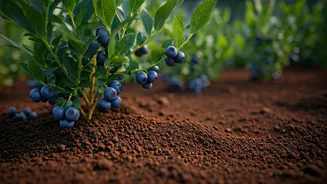
Blueberry plants are quite particular about their growing environment, with a non-negotiable requirement for acidic soil. They thrive in soil with a pH
ranging between 4.0 and 5.5. If the pH level creeps above 6.5, these plants struggle significantly to absorb necessary nutrients. This nutrient deficiency manifests as yellowing leaves and a noticeable drop in fruit production, impacting overall plant health and yield. Many home gardeners find it challenging to consistently maintain this acidic soil condition without resorting to costly chemical treatments or sulfur amendments, presenting a common hurdle for successful blueberry cultivation.
Coffee Grounds as Fertilizer
Used coffee grounds are a treasure trove of benefits for your garden, particularly for acid-loving plants like blueberries. They contain a balanced mix of essential nutrients, including approximately 2.4% nitrogen, along with potassium, phosphorus, magnesium, and calcium. These components act as a slow-release fertilizer, gradually breaking down in the soil with the help of microorganisms into forms that plant roots can readily absorb. Studies have indicated that incorporating spent coffee grounds can enhance plant growth and improve soil quality by increasing its water retention capacity and nutrient availability, especially when applied judiciously. The mild acidity of these grounds naturally complements the soil requirements of blueberries, and their nitrogen content is crucial for promoting vigorous leafy growth and effective photosynthesis.
Proper Application Methods
The key to effectively using coffee grounds as a plant amendment is moderation. Over-application can actually hinder plant growth, as certain compounds like caffeine and polyphenols can be toxic to plants in high concentrations. It is advisable to let your used coffee grounds dry out after brewing before use. This can be achieved by spreading them thinly on a baking sheet and drying them in a low oven or air-drying them outdoors. Dry grounds are less prone to forming a dense layer that retains excessive moisture, which can lead to root rot. Apply a thin ring of these dried grounds around the base of your blueberry plant, ensuring they are a few inches away from the main stem. Replenish this lightly on a weekly basis, avoiding a thick accumulation that could smother the plant. The goal is a light enrichment, not a heavy mulch.
Composting Considerations
Incorporating coffee grounds into your home compost pile is generally beneficial, but there's an important consideration. Not all plants in your garden share blueberries' preference for acidic soil. For instance, leafy greens such as spinach and lettuce, along with radishes, tend to favor soil that is more neutral to slightly alkaline. If your compost is intended for a diverse range of plants, it's crucial not to let the coffee grounds dominate. Add them in smaller quantities and reserve the bulk for your acid-loving plants. Additionally, root vegetables and alliums like garlic and onions do not react well to excessive nitrogen. An overabundance of nitrogen can redirect the plant's energy into producing more foliage rather than developing the edible roots or bulbs, which defeats the purpose of growing these vegetables.
Alternatives for Non-Coffee Drinkers
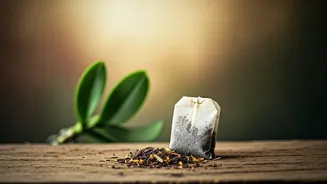
If coffee isn't part of your household's beverage routine, there are other readily available kitchen scraps that can serve a similar purpose for your garden. Loose tea leaves or used tea bags can be directly added to your soil or compost bin, providing a valuable nitrogen boost to your plants. Orange peels are another excellent option; they offer a slightly acidic contribution to the soil and their natural citrus scent can act as a deterrent for common garden pests. The appeal of these methods lies in their ability to repurpose everyday kitchen waste into something beneficial for your plants. This practice not only contributes to a more sustainable gardening approach but also enhances the satisfaction of growing your own produce, especially when considering the rising cost of store-bought blueberries.