
The Science of Malai
Indian summers are notorious for their harsh sun, often leaving skin with an uneven tan. While many reach for complex serums, a simple kitchen staple,
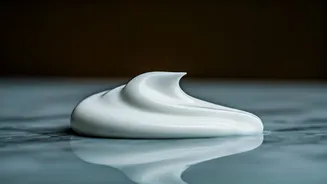
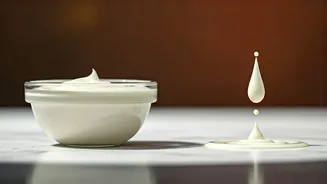
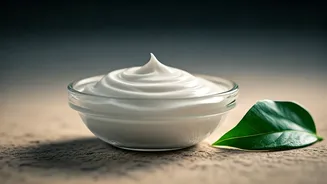
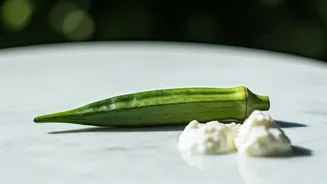
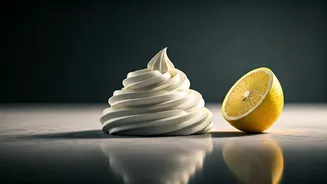
malai (fresh milk cream), has long been a go-to desi remedy. Surprisingly, dermatologists confirm that malai does indeed possess properties that can help mitigate sun tanning. Its effectiveness stems from its rich composition, particularly the presence of lactic acid, a natural alpha hydroxy acid (AHA). AHAs are known for their ability to gently exfoliate the skin by breaking down the bonds that hold dead skin cells together. Unlike abrasive scrubs that can irritate sun-damaged skin, lactic acid works at a microscopic level, promoting a shedding of the pigmented, tanned outer layer. This process encourages the skin's natural renewal, revealing brighter skin underneath. Beyond exfoliation, malai is also a powerhouse of saturated fats, proteins, and ceramides. These components are vital for repairing the skin's protective lipid barrier, which is often compromised by UV exposure, leading to dehydration and dullness. The emollient nature of malai helps to lock in moisture, restoring suppleness and that coveted hydrated glow. Furthermore, sun exposure can trigger micro-inflammation, potentially leading to post-inflammatory hyperpigmentation if harsh treatments are applied. Malai's cooling properties can help soothe this inflammation, preventing the skin from producing excess melanin in defense.
Synergy with Turmeric
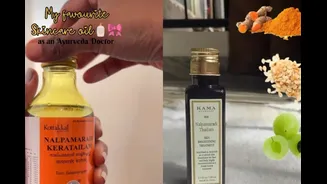
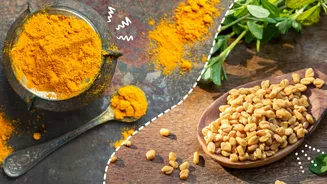
The traditional pairing of malai with a pinch of turmeric for tan removal is not merely anecdotal; there's a compelling scientific rationale behind it. Turmeric contains curcumin, a potent compound with melanin-inhibiting capabilities. However, curcumin's efficacy is often limited by its poor solubility in water, making it difficult for the skin to absorb effectively when used alone. This is where the rich fat content of malai plays a crucial role. The natural fats present in malai act as an excellent delivery system, essentially a 'fat-soluble vehicle,' for curcumin. These fats help to carry the active compounds of turmeric deep into the skin's cells, enhancing their penetration and allowing them to work more effectively at targeting melanin production. This synergistic action between the exfoliating properties of lactic acid in malai and the melanin-blocking power of curcumin in turmeric creates a more potent and comprehensive approach to tan removal. The combination not only aids in shedding the tanned skin but also addresses the underlying pigment production, leading to a more significant and lasting brightening effect. It’s a classic example of how combining natural ingredients can amplify their benefits for skincare, leveraging their inherent chemical properties for optimal results.
Who Should Avoid?
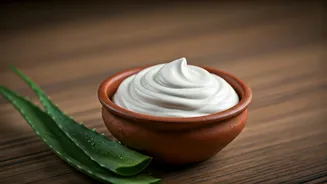
Despite its proven benefits for tan removal, malai is not a universally suitable remedy, and certain skin types should steer clear to avoid adverse reactions. Dermatologists issue a significant caution regarding its use, primarily for individuals with oily or acne-prone skin. Malai is classified as highly comedogenic, meaning it has a strong tendency to clog pores. When applied to skin that already produces excess sebum, the rich fats in malai can trap this oil, creating an environment conducive to bacterial growth. This can lead to a severe breakout, including pustules and papules. For those struggling with fungal acne, a condition exacerbated by certain oils and fats, applying thick cream like malai can worsen the inflammation and spread of the infection. Experts strongly advise individuals with oily or blemish-prone complexions to opt for alternative tan removal solutions. Plain yogurt, known for its mild exfoliating properties and cooling effect, or aloe vera, celebrated for its soothing and anti-inflammatory benefits, are recommended as more suitable substitutes. These alternatives offer some of the benefits of tan reduction without the pore-clogging risk associated with malai, ensuring a safer and more effective skincare regimen for these specific skin concerns.
Malai vs. Other DIYs
When comparing malai to other popular do-it-yourself tan removal methods often found online, dermatologists overwhelmingly favor malai for its safety and efficacy. Many viral skincare hacks suggest using highly acidic ingredients like raw lemon juice or tomato juice directly on the skin for tan removal. Experts issue strong warnings against these practices, as the potent acidity can cause chemical burns, especially on skin that has already been sensitized and damaged by sun exposure. Such treatments can strip the skin of its natural protective barrier, leading to irritation, redness, and long-term damage. Malai, on the other hand, is celebrated for being beautifully pH-balanced and inherently gentle. Its mild exfoliating action, powered by lactic acid, works gradually and safely, minimizing the risk of irritation. While malai is effective at fading surface-level pigmentation and reversing visible tan over time, it's important to manage expectations. It is not a magic bullet that can instantly erase deep-seated UV damage or halt the processes of photo-aging. Instead, it should be viewed as a consistent, gentle fading treatment that contributes to a brighter complexion over weeks and months, rather than an overnight solution. This makes it a more sustainable and less damaging choice compared to harsh, potentially damaging alternatives.