





A Symbol of Pride
Chef Sanjeev Kapoor's experience at the 2017 Padma Shri Award ceremony highlighted a deeper issue: the significance of a chef's uniform. Often more than
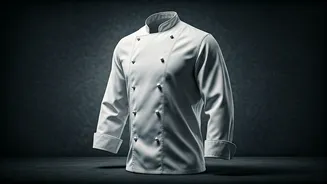
just clothing, the chef's coat and cap represent an identity forged through relentless hard work, late nights, and a profound passion for the culinary arts. This attire makes chefs recognizable and symbolizes the dedication required to achieve their status. For Kapoor, his chef coat was not merely a garment but a cherished emblem, carrying immense personal and professional value, especially after years of wearing it in various professional settings, from hotel kitchens to television sets. He saw it as a badge of honor for the entire chef community, a sentiment that drove his decision to challenge the established dress code when it conflicted with his professional identity.
The Dress Code Dilemma
Upon receiving the prestigious Padma Shri Award in 2017, Chef Sanjeev Kapoor faced an unexpected hurdle regarding the ceremony's dress code. He was informed by the Rashtrapati Bhavan authorities that wearing his chef coat was not permitted; instead, he was advised to don traditional Indian attire. This directive, intended to uphold national heritage, presented a personal conflict for Kapoor, who viewed his chef coat as an integral part of his professional identity and a symbol of pride for chefs globally. He expressed his strong objection, even stating his willingness to forgo the award rather than compromise his professional representation. This stance underscored his belief that the award should also acknowledge and respect the profession and the individuals who dedicate their lives to it.
Standing His Ground
In a move that set a significant precedent, Chef Sanjeev Kapoor resolutely insisted on wearing his chef coat to the Padma Shri Award ceremony. He communicated his position clearly: the chef uniform was not just his attire but a representation of his entire culinary journey and community. He stated, 'This is my profession, so please allow me.' When his request was initially denied, he took a firm stand, declaring, 'If you don't want to give me the Padma Shri Award, then don't give it.' This unwavering determination showcased his commitment to upholding the dignity and recognition of his profession. Ultimately, his persistence paid off, and he was allowed to receive the esteemed award in his signature chef's uniform, a moment of triumph that resonated with many in the culinary world.
The Chef Coat's Legacy
Chef Sanjeev Kapoor's decision to wear his chef coat for the Padma Shri Award transcended a personal choice; it was a statement about the enduring legacy and respect for the culinary profession. He articulated that the chef's coat symbolizes humility and dedication, much like the color white which brightens other colors by remaining in the background. It serves as a constant reminder of the grounding principles of the craft. The article also touches upon the historical roots of the chef coat, which originated during the colonial era with the introduction of Western kitchens in India. Before this, Indian cooks, known as khansamas and maharajs, wore simpler cotton garments suited to the climate, prioritizing skill over standardized dress. The chef coat, historically made of thick cotton, was designed for protection against heat and burns, evolving over time to include modern variations like colored piping and embroidery, yet its core symbolism of pride and professionalism remains.