
Trendsetters and Influences
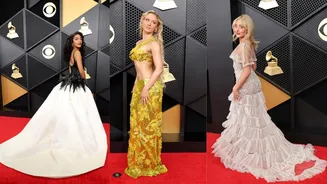
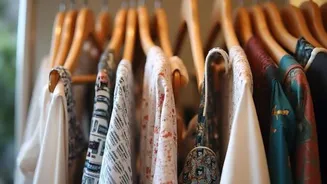
Fashion is a mirror to society, frequently reflecting cultural values, social movements, and technological advancements. The influences are wide-ranging,
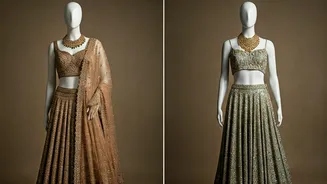
from the rise of social media and the rapid dissemination of trends, to the resurgence of vintage styles and the celebration of individuality. Styles that were deemed outdated in the past are now being reimagined, leading to a unique blend of eras. Cultural exchange and globalization also continue to shape fashion, fostering the fusion of various styles. Designers are increasingly looking to different cultures for inspiration, incorporating traditional techniques, patterns, and materials into their collections. These inspirations lead to a unique mixture of old and new elements in current fashion. Furthermore, fashion is not just about aesthetics, but also about representation, with designers and brands emphasizing inclusivity and diversity in their campaigns and collections.
Sustainable Fashion's Rise
The fashion industry is undergoing a significant transformation with the rise of sustainable practices. Concerns about environmental impact and ethical sourcing have led to a greater focus on eco-friendly materials, reducing waste, and fair labor practices. Sustainable fashion goes beyond just using organic cotton or recycled materials; it also involves transparency in the supply chain and promoting conscious consumption. Brands are now investing in innovative technologies such as lab-grown fabrics, circular design, and textile recycling to reduce their environmental footprint. Consumers are becoming more conscious, seeking brands that align with their values and are committed to sustainability. The concept of 'slow fashion,' which focuses on quality, durability, and timeless designs, is gaining traction. This means consumers are now more aware of the importance of making informed choices and opting for pieces that will last for years, rather than following fast-fashion trends.
Technology and Innovation
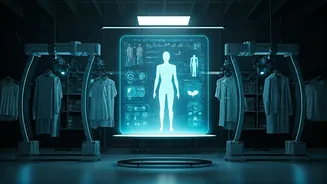
Technology is revolutionizing every facet of fashion, from design and production to retail and consumer experience. Designers now use advanced tools like 3D printing and virtual prototyping to create innovative designs and reduce waste. E-commerce platforms are increasingly incorporating virtual try-on features and personalized recommendations, enhancing the online shopping experience. The use of data analytics is also vital, allowing brands to understand consumer preferences and tailor their offerings accordingly. Artificial intelligence (AI) is playing a significant role in predicting trends, optimizing supply chains, and automating various processes. Furthermore, the metaverse is emerging as a new frontier for fashion, with virtual clothing and accessories gaining popularity. The integration of technology in fashion is driving greater efficiency, creativity, and sustainability, while also transforming how consumers interact with fashion brands.
Future Fashion Directions
The future of fashion is likely to be characterized by a greater emphasis on personalization, sustainability, and inclusivity. There will be an increased focus on individual expression, with consumers seeking unique, custom-made items that reflect their personal style. Circularity and the responsible use of resources are expected to become the norm. The industry will continue to move towards closed-loop systems, reducing waste and reusing materials. Digital fashion and virtual experiences will become increasingly important, creating new opportunities for creativity and self-expression. Collaboration between designers, technologists, and consumers will be essential in shaping the future of fashion. Ultimately, fashion will be about creating beautiful, functional, and ethically produced clothing that celebrates diversity and empowers individuals.