




Ghee: The Remedy?
The beauty world is perpetually searching for effective, natural solutions for hair care, and one such remedy that has been gaining attention is the application
of ghee. Anecdotal evidence suggests that ghee, when applied regularly to the hair, can significantly reduce frizz and improve overall hair manageability. Individuals are sharing their positive experiences, claiming notable improvements in hair texture and appearance after incorporating ghee into their hair care routine. Ghee, derived from clarified butter, has a rich history in traditional practices. Its properties, believed to be moisturizing and nourishing, have led to its use in various beauty treatments. While scientific studies are limited, many people are now exploring ghee as a potential solution for their frizzy hair, drawing on both tradition and personal accounts of success. This has positioned ghee as a promising, yet-to-be-fully-proven, contender in the quest for smoother, more manageable hair, sparking curiosity and discussion among beauty enthusiasts.
How to Apply Ghee
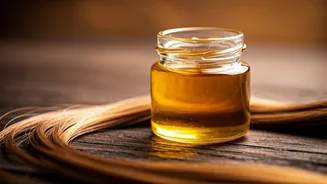
To use ghee for frizzy hair, begin by obtaining high-quality ghee, ideally organic to ensure purity. Gently warm a small amount of ghee; the warming process helps it to spread evenly and enhances absorption. Apply the warmed ghee to your hair, starting from the roots and working your way down to the tips. Ensure all strands are coated, paying special attention to areas that are particularly prone to frizz. Leave the ghee on your hair for a specific duration; many suggest leaving it on for a minimum of 30 minutes, but some recommend longer periods, even overnight, for deeper conditioning. After the required time, wash your hair thoroughly with a mild shampoo and conditioner. You may need to shampoo twice to ensure all the ghee is removed. For optimal results, repeat this process at least twice a week. Consistent application is crucial for observing noticeable improvements in hair texture and a reduction in frizz. Many individuals report positive changes within a few weeks of adhering to this regimen. It is important to adjust the frequency based on your hair type and the severity of the frizz, always mindful of the need for regular, diligent application to reap the benefits.
Expected Results Timeline
The time it takes to see results from using ghee for frizzy hair varies among individuals. However, many users report observing visible changes within a relatively short period. Typically, within 2–3 weeks of regular use, many users start to notice improvements. These improvements often include a reduction in frizz, making hair appear smoother and more manageable. The hair may also feel softer and more hydrated, as ghee helps to moisturize the strands. This timeline is based on consistent application, usually twice a week, as well as considering individual hair types and the level of damage or dryness. Some people with extremely frizzy or damaged hair might require a longer duration, potentially several weeks or even months, to achieve desired results. The key is patience and consistency. It's important to monitor your hair's response to the treatment, making adjustments as needed. If significant changes aren't apparent, you may need to increase the frequency of application or try different methods of incorporating ghee into your routine, such as combining it with other natural ingredients. Overall, the expectation of a noticeable difference in a few weeks provides an encouraging timeline for those seeking a natural solution for frizzy hair.
Expert Insights
While personal experiences are vital, seeking expert opinions offers additional insights into the use of ghee for hair care. Dermatologists and hair care specialists often highlight the importance of moisturizing and nourishing ingredients in hair treatments. Ghee, with its rich, fatty composition, is thought to provide these benefits. Experts often suggest that ghee can help to seal the hair cuticle, reducing frizz and improving shine. However, they also emphasize the need for additional research to fully validate the claims. Some professionals point out that ghee's effectiveness might also depend on the individual's hair type and the underlying causes of frizz. For instance, ghee might work better for dry or damaged hair compared to hair that is naturally oily. Professionals typically recommend patch testing the product on a small area of hair before applying it to the entire head, in order to check for any allergic reactions or sensitivities. Additionally, it is often advised to use ghee in conjunction with other hair care practices, such as gentle washing and conditioning, for enhanced results. Expert guidance is crucial for making informed decisions and ensuring that the use of ghee aligns with specific hair care needs.